Five million accounts gone: Australia's teen social media ban faces its first big court test
Reddit and a libertarian advocacy group are asking the High Court to strike down the under-16 ban. Whatever the judges decide, the ban has already changed who creators in Australia can reach.
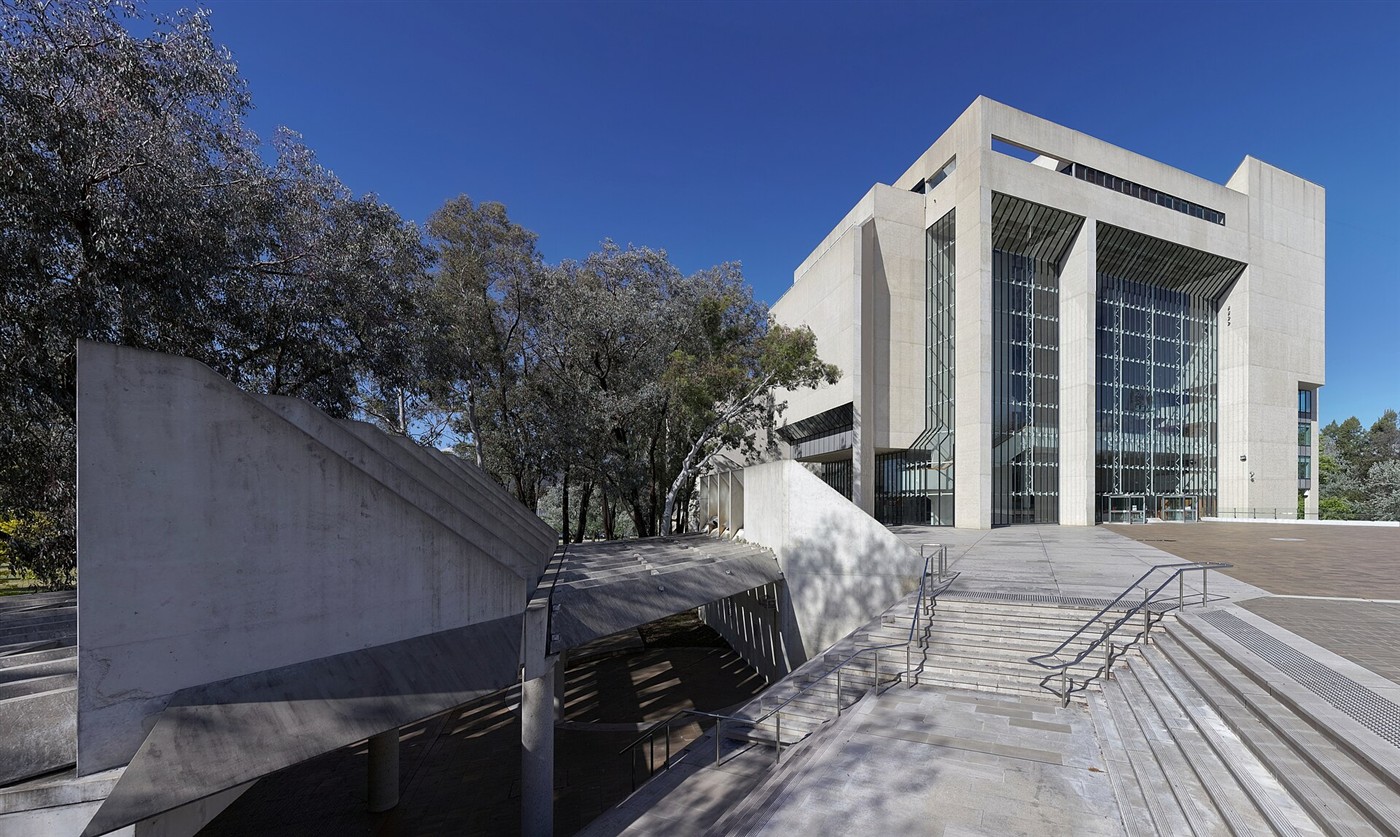

Australia's world-first ban on social media accounts for under-16s has had its first major day in court. Over two days this week, seven High Court judges in Canberra heard constitutional challenges from Reddit and the Digital Freedom Project, an advocacy group led by Libertarian New South Wales MP John Ruddick, Al Jazeera and Net Influencer reported. A decision is likely to take months.
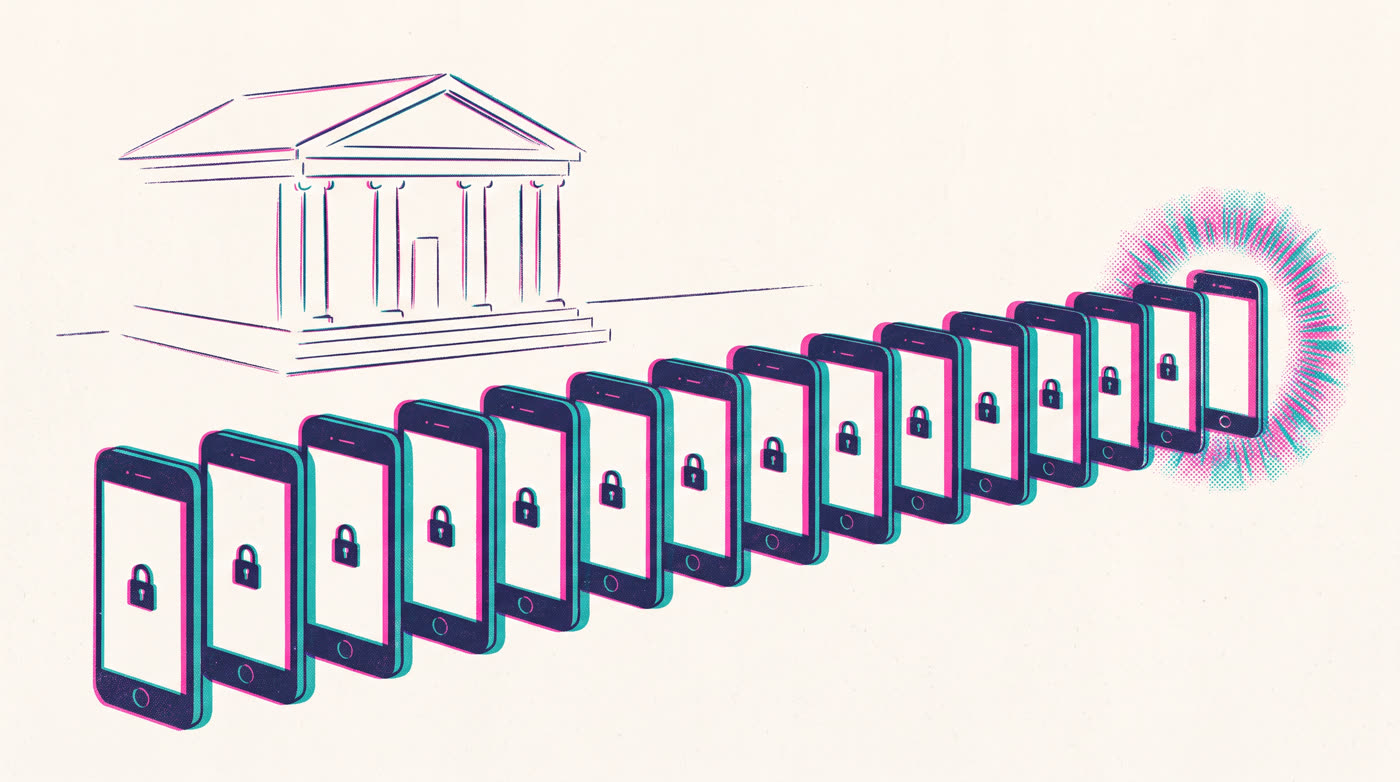
The ban took effect in December 2025. It covers 10 platforms: Facebook, Instagram, Threads, Snapchat, X, TikTok, YouTube, Kick, Reddit and Twitch. Platforms that don't take reasonable steps to stop under-16s holding accounts face fines of up to A$109.2 million, according to Net Influencer. Government data shows nearly 5 million accounts have been blocked so far, in a country of about 28 million people.
The case against the ban
Both challenges rely on the implied freedom of political communication in Australia's Constitution. Reddit's lawyers argued the law stops young people being able to "speak, interact, organize and reach domestic and global audiences quickly and inexpensively". Reddit barrister Perry Herzfeld called it "ill-targeted" and "over broad", and Reddit is also asking the court to declare it is not an age-restricted platform at all.
In its written submission, Reddit said "the effectiveness of the ban has been limited", and argued that logged-out browsing, which the law still allows, removes the safety features that come with an account. The company says it will keep complying with the law while the case runs.
The Digital Freedom Project argued there is a "fundamental disconnect" between what the law intends and what it does, and that "obvious and compelling alternatives" exist.
The case for it
The federal government, backed by state and territory attorneys-general, told the court the ban protects children from harms tied to platform design. Government barrister Joanna Davidson listed seven, including addictive use, poor sleep, anxiety, depression and disordered eating. Barrister Stephen Lloyd argued that because under-16s cannot vote, any burden on political communication was "indirect in nature and modest in extent".
South Australian Premier Peter Malinauskas, whose state joined the case on the government's side, said platforms "choose what kids see and when".
Few legal experts expect the ban to fall completely. "It's very clear that the Commonwealth can regulate social media and online spaces," Monash University law professor Luke Beck said. Even a loss for the government, he said, might be "a technical breach that can be fixed with some tweaks in the legislation."
How we got here
- December 2025The under-16 ban takes effect across 10 platforms.
- 2026Nearly 5 million accounts are blocked. An August study finds little evidence teens have stopped using social media.
- This weekSeven High Court judges hear challenges from Reddit and the Digital Freedom Project.
- Coming monthsThe court's decision. Experts expect the ban to survive, possibly with changes.
What a year of the ban has done to creators
The ban was written for children, but it reshaped the creator business too:
- Teen creators lost their channels. Under-16s cannot hold accounts on YouTube, TikTok, Instagram, Twitch or Kick, so young Australian creators either stopped posting, moved to a parent-run account or left the market.
- Youth audiences got harder to measure. Teens can still watch logged-out on some platforms, but logged-out viewers don't follow, comment or show up properly in audience data. For creators who make gaming, comedy and teen lifestyle content, that means smaller reported audiences, even if real viewing is higher.
- Brands targeting under-16s lost their main channel. Campaigns aimed at younger teens moved toward parents, schools, events and older creators with crossover appeal.
Enforcement is patchy. The government admits many children have got around age checks, and an August study by Australian researchers found little evidence that teenagers have actually stopped using social media. That leaves creators and brands in an awkward position: the audience is still there, but officially it isn't.
Why the rest of the world is watching
Australia's law has become the template others are copying or arguing against. In the US, Google, Meta and TikTok sued California this week over a law banning algorithmic feeds and autoplay for under-16s. In Europe, the Digital Fairness Act due next week is expected to target addictive design. Canberra has also proposed letting all users switch off recommendation algorithms.
What it means for creators
If your audience skews young, don't rely on platform analytics to show its true size, and don't build your business on reach you can't prove. Direct relationships such as email lists, parent-facing content and live events are worth more in a market where the platforms may be forced to lock out part of your audience.
What it means for brands and agencies
Any brand marketing to Australian teens through creators should assume the rules will get tighter, not looser, whatever the court decides. Check the declared audience age of every creator you book, and be careful with content that is clearly aimed at under-16s.
Why it matters: Australia ran the world's first experiment in keeping kids off social media. The High Court will decide whether it is legal, but creators and brands have already lived through a year of what it does to the business.