Germany and Australia make brands pay towards creators' retirement. Britain should too
German brands pay a levy on every influencer fee, and Australia's tax office says creators can be owed super. In Britain, just 4% of the wholly self-employed save for retirement. Brands that profit from creators should help fix that.
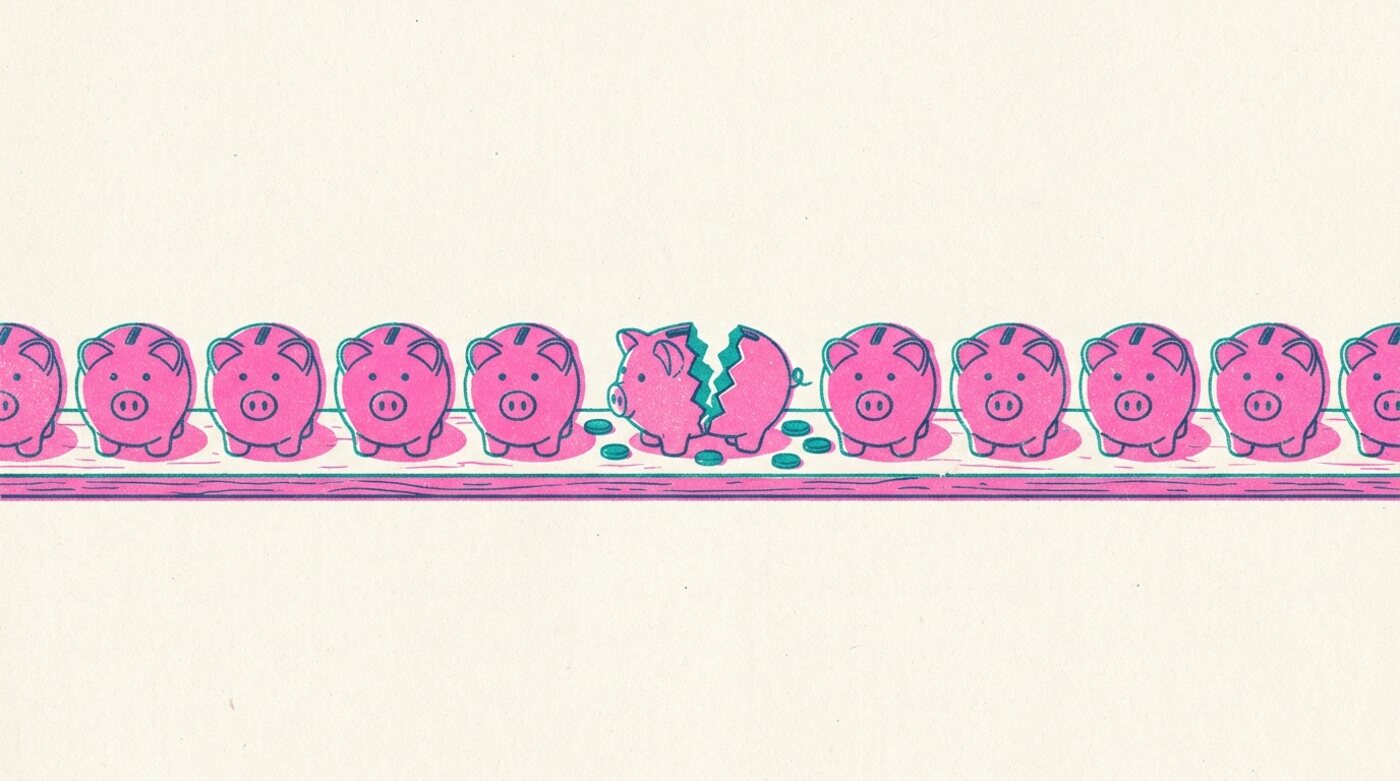
Every time a German company pays an influencer for a sponsored post, a slice of the money goes towards that creator's health insurance and pension. In Australia, a brand that hires a creator for their personal work may already owe them superannuation on top of the fee. In Britain, a brand can pay a creator £20,000 for a campaign and owe nothing towards their old age at all.
That gap is no longer defensible. Britain treats creators as an industry when it suits politicians and as hobbyists when the bill arrives. Brands that build their marketing on creators' work should help pay for those creators' retirement, and Britain should copy the German and Australian approach.
Germany: every paid post is art, with a bill attached
Germany's Künstlersozialabgabe, or artists' social levy, dates from 1983. As we explained last week, it treats self-employed artists and writers a little like employees. They pay about half of their own social insurance. The Künstlersozialkasse (KSK), the fund that runs the scheme, covers the rest, using a federal subsidy and a levy on the companies that buy creative work. Grant Thornton Germany puts the split at 50% from artists, 30% from companies and 20% from the government.
The KSK's guidance for companies that advertise their own products now names influencers who create advertising photos, videos and texts. The levy is 4.9% of creator fees this year and goes back up to 5.0% in January, under a regulation published in the federal law gazette in September. It applies once a company pays creatives more than €1,000 in a year, and the KSK says brands may not pass the cost on by cutting the creator's fee.
Australia: super for influencers, by the tax office's own account
Australia got there by a different road. Its superannuation guarantee, now 12% of earnings, normally applies to employees. But the law has an extended definition: a contractor paid mainly for their own labour can count as an employee for super purposes, even if they have their own business number and send invoices.
The Australian Taxation Office has made clear that creators can fall inside it. According to accounting firm BDO, writing in October, the ATO's updated guidance names social media influencers as an example of people engaged in promotional activities. BDO's advice to brands, agencies and talent managers was blunt: a creator "may be entitled to superannuation even if they have an ABN". Only the part of the fee that pays for the creator's own work counts. Costs such as equipment and travel generally do not.
The detail is still being settled. Grant Thornton Australia reported in September that the ATO had issued draft guidance, SGD 2026/D1, on what counts as payment for a person's labour. BDO says a separate draft ruling deals with who is liable when an agency arranges the work. Since Payday Super started on July 1, contributions generally have to reach the worker's fund within seven business days of being paid. Australian brands that ignore this are taking a real risk.
Britain: an industry with no pension
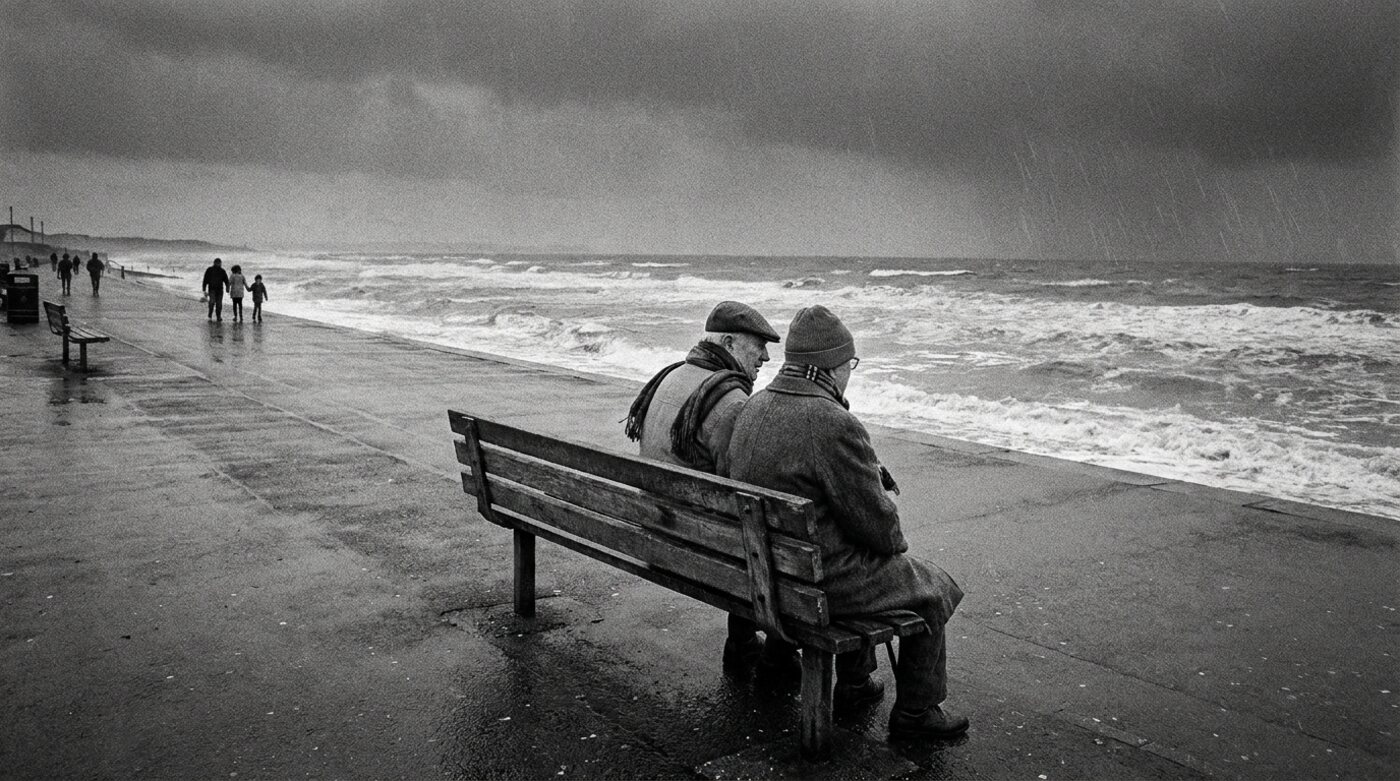
Britain has nothing like this. A creator here is, in most cases, simply self-employed, and the self-employed sit outside auto-enrolment, the system that has pushed most employees into workplace pensions.
The results are stark. The government's Pensions Commission said in its interim report in May that "just 4% - one in 25 - of wholly self-employed workers are saving for retirement", and that the rate is lower still among younger self-employed people. Creators skew young, and many earn only from their channels. They are likely to be among the worst savers in the country.
Meanwhile, Westminster has spent the past year calling creators an industry. Ministers hire them, Downing Street gives them interviews and brands are moving advertising money towards them. None of that recognition has come with the basic protection that almost every other worker in a growing British industry now takes for granted.
The case against, taken seriously
There are good objections, and the industry will make them loudly.
It is a tax on marketing. Yes. A 5% levy on a £50,000 creator programme is £2,500. But brands already pay employer pension contributions on the staff who run those programmes, and agencies pay them on the account managers who brief the creators. It is odd that the people making the content are the only ones in the chain with nothing paid in for them.
It will push brands towards overseas creators, AI avatars or gifting. Germany's answer is instructive. The KSK says the levy is due on payments to creators abroad and to those who cannot join the scheme, and benefits in kind such as gifted products can count. A levy on what brands spend, rather than on who they hire, is much harder to avoid.
The admin will crush small creators. It should not touch them. In both models the duty falls on the company paying, and Germany exempts small commissioners below its threshold. A British version should do the same and keep the paperwork with brands and agencies.
Creators chose to be self-employed. Many did. But most self-employed people do not have a handful of large companies setting their rates, writing their contracts and controlling how their work is used. Plenty of creators do, and that is closer to employment than the industry likes to admit.
What Britain should do
The Pensions Commission's final report is due in spring 2027. It should look directly at a commissioner-pays model for the self-employed in creative work, starting with creators: a small levy on brand and agency payments for creator content, collected from the paying company, with a threshold so occasional small deals are left out. The money could go into a pension the creator owns, or match what the creator pays in.
Brands that have built their marketing around creators should support this rather than wait for it to be forced on them. A few per cent on top of a fee is cheap compared with the cost of an industry whose workers reach their sixties with nothing saved.
Germany has run its system for more than 40 years. Australia's tax office already counts influencers in its rules. Britain keeps saying creators are a real industry. It is time to treat them like one.
Read more: how Germany's artists' levy catches influencer marketing and what Westminster's recognition of creators has actually changed.
This is the view of The Collab Report's editorial board. Disagree? Tell us, and we may publish the best responses.