Private equity firm Falfurrias takes majority stake in B2B influencer agency Freeman & Forrest
The Charlotte fund is backing a two-year-old agency that pays engineers and AI practitioners to talk about software, with a network of 1,600 technical creators.
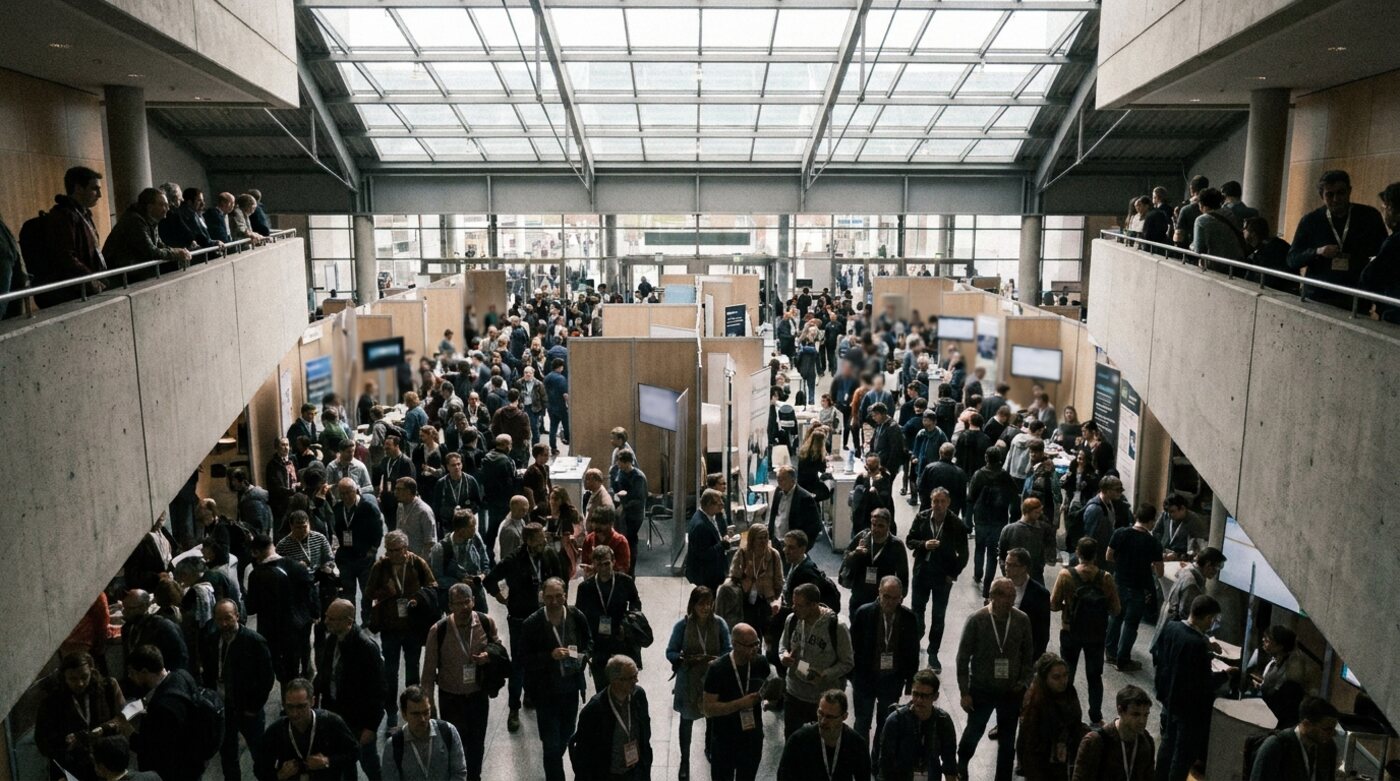
Private equity has bought into one of the most specialised corners of influencer marketing: paying engineers and developers to talk about software. Falfurrias Capital Partners, a Charlotte, North Carolina fund, has made a majority investment in Freeman & Forrest, a two-year-old agency that runs creator campaigns for technology companies. The deal was announced on November 19. Neither side disclosed the price or the size of the stake.
Freeman & Forrest is not a consumer influencer shop. Its creators are software engineers, cloud architects and AI practitioners who post about the tools they use at work. According to the announcement, the firm has built a network of more than 1,600 vetted technical creators with a combined following of over 550 million. It says it works with a third of the technology companies in the Fortune 100, as well as AI and cloud start-ups.
Who is behind it
The agency was founded in 2024 by Emily Freeman and Forrest Brazeal, who had both run developer programmes inside big tech companies. Freeman led developer relations and product marketing at AWS and Microsoft, and wrote DevOps for Dummies. Brazeal was head of developer media at Google Cloud. Both stay in their jobs, as chief executive and president, and both join the board.
Falfurrias was founded in 2006 by Hugh McColl Jr., the former chairman and chief executive of Bank of America, with former Bank of America finance chief Marc Oken and managing partner Ed McMahan. It describes itself as an operationally focused, mid-market fund and has raised about $4 billion across eight funds. Marketing and information services is one of its target sectors. It previously owned the trade publisher Industry Dive.
Alexander Jutkowitz, an executive adviser at Falfurrias, becomes executive chairman. Linda Boff, the former global chief marketing officer of GE, joins the board alongside two Falfurrias executives.
What the money is for
Falfurrias said it will provide growth capital and operating support. The plan is to serve more large tech companies and AI start-ups, and to take the model into other business-to-business categories. Freeman & Forrest matches brands and creators through its own software, which it calls Switchyard, and says every programme is built around guaranteed outcomes.
"Over the last decade, consumer marketing has been reorganized around creators, but B2B has largely missed that shift," Jutkowitz said in the announcement. Freeman said the people "who actually use a product are the most credible voices a brand can have." Brazeal said the deal would give the firm's creators "access to better tools and bigger stages."
Net Influencer, which first reported the deal for the creator trade, noted that the founders have said in their own podcast that the firm represents brands, not creators, and keeps no talent roster.

Part of a wider buying spree
The deal is the latest in a run of investors buying into the companies that sit between brands and creators. Last week private equity firm H.I.G. Capital launched Waveborn and bought Jake Rosen Entertainment, as we reported. Agencies have also been consolidating fast. What is different here is the target: a firm that works only on business-to-business campaigns, where budgets have been slower to move to creators. Brands are expected to spend $116 billion on creators this year, but almost all the attention has gone to consumer brands.
What it means for creators
Technical creators, such as engineers posting on LinkedIn, YouTube and X, are becoming a paid category of their own. More capital behind an agency that specialises in them should mean more paid work. Creators will need to check how campaigns with "guaranteed outcomes" are priced and measured, and who carries the risk if a post underperforms.
What it means for brands and agencies
For B2B marketers, the deal signals that creator programmes are becoming a standard budget line rather than an experiment. Generalist influencer agencies now face a specialist rival with private equity money behind it. Expect others to follow into finance, healthcare and industrial software.
Why it matters: Private equity is betting that the next big pool of creator money is in business software, not beauty or gaming. If it is right, the engineer with a following becomes as bankable as the lifestyle influencer.