France will make big political creators give presidential candidates equal airtime in 2027
Arcom says YouTubers and streamers who regularly cover politics will face broadcast-style pluralism rules from March. Creators say they have neither the legal status nor the resources to comply.
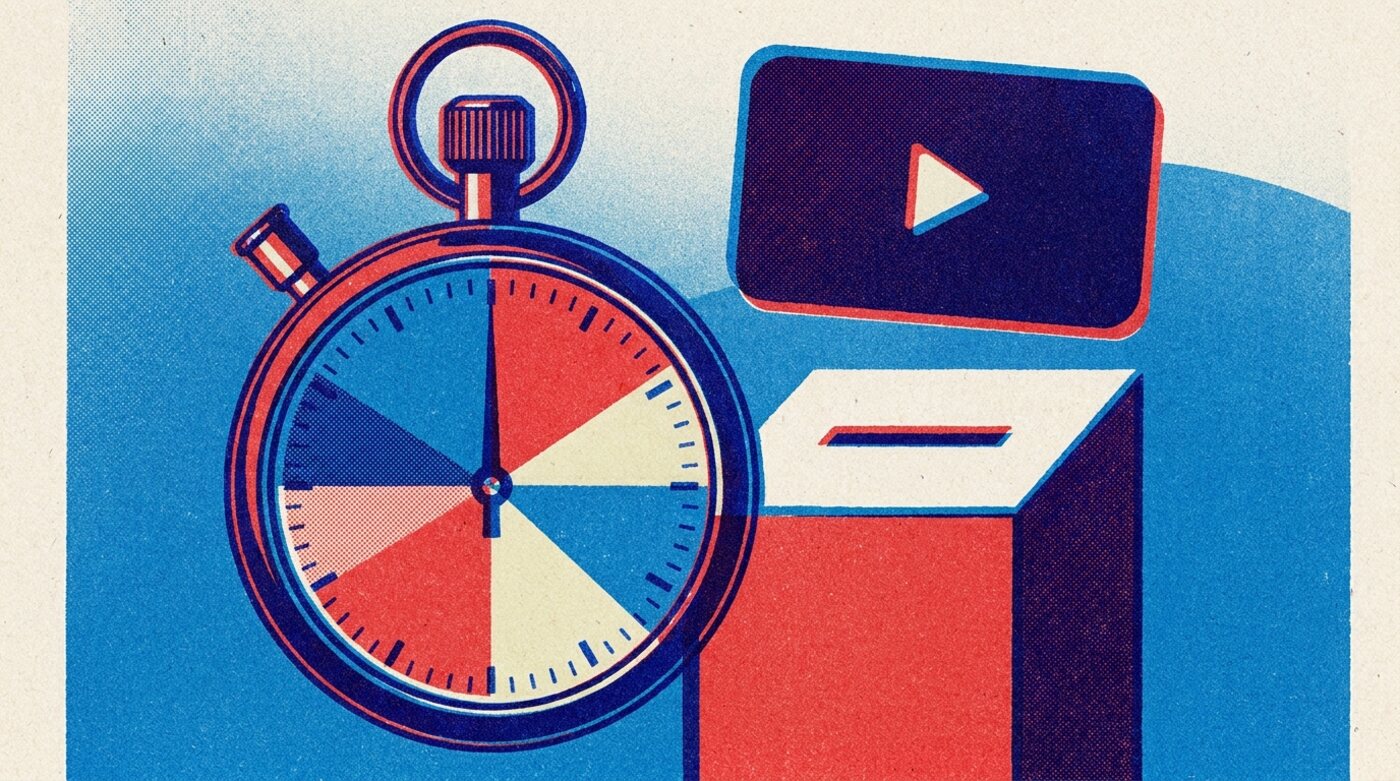
France's media regulator says some of the country's biggest video creators will have to treat presidential candidates the way television and radio do. Arcom, the broadcasting and online regulator, set out the plan on Thursday, November 19. From next March, creators who regularly cover politics and draw broadcast-sized audiences will be expected to give candidates fair, and then equal, exposure in the run-up to the April 2027 presidential election.
The plan drew pushback within a day. On Friday, Reuters reported that Arcom president Martin Ajdari was defending the rules against critics who doubt they can be enforced.
What Arcom has decided
According to an analysis by the Paris law firm Kohen Avocats, the measure is a recommendation that Arcom adopted on November 4 and published on its website on November 19. It still has to appear in France's official journal. The key legal move is that Arcom now treats some creator channels as on-demand audiovisual media services under France's 1986 broadcasting law. That classification brings them under the same pluralism duties that apply to broadcasters during elections.
There is no follower threshold. Kohen Avocats and the legal site Juriguide both describe a case-by-case test with three parts. The channel must regularly cover news, politics or public debate. Its audience must be comparable to a traditional broadcaster's. And the political coverage must be regular, so a single viral video is not enough. Gaming, cooking and sport channels without regular public-affairs content fall outside the rules. Ajdari said audio-only podcasts are not covered, according to AFP as cited by Kohen Avocats, although filmed versions may be.
The Journal du Net reported that the creators mentioned in coverage include HugoDécrypte, Gaspard G and Legend, Guillaume Pley's media brand, and possibly Brut. Kohen Avocats noted that Arcom's own pages name no channel, and that no channel has yet been formally classified.
The timeline
Sources agree on the broad schedule. From March 16, 2027, covered creators must give candidates and their supporters fair exposure, weighted by each candidate's political weight. The official campaign opens on April 5, and from then speaking time must be strictly equal. The first round is on April 18 and the run-off on May 2. Sources differ slightly on exact phase cut-offs.
Arcom does not require creators to invite every candidate. The duty is overall balance. Ajdari's example, reported by Juriguide, was a creator who hosts one or two candidates during the official campaign and disparages the rest. In that case, he said, Arcom would be led to step in. Juriguide reported that a warning would come first, then a formal notice, and only then financial penalties.
The pushback
"We are not there to bother influencers," Ajdari said, according to Reuters. He told RTL radio that "the weight of influencers in democratic life is new."
Jean Massiet, who hosts the political Twitch show Backseat, told RMC radio that creators have no legal status and lack the budgets and staff of broadcasters such as TF1 or the BFM/RMC group. The Journal du Net reported that Umicc, a body representing French creators, disputes that creator channels can be classed as audiovisual media at all. Under French law, the recommendation can be challenged before the Conseil d'État, France's highest administrative court.
What it means for creators
For French news and commentary creators with large audiences, election planning now looks like a broadcaster's. That means logging which candidates appear and for how long. Creators outside France face an unanswered question. Juriguide called Arcom's reach over French-language creators based abroad an open issue.
What it means for brands and agencies
Sponsors of French current-affairs channels should expect political segments to be scrutinised from March to May 2027. Interview series with candidates may need restructuring, or a pause, to stay balanced.
This follows the Netherlands, which already registers large influencers like broadcasters, and Brussels' push on influencer disclosure through the Digital Fairness Act. This is the first time a major European regulator has applied election speaking-time rules to creators.
Why it matters: France is turning the idea that big creators are media into an enforceable election rule. If it works and survives a legal challenge, other European regulators facing elections will have a model to copy.