Kilkenny proves the fight is the side-show. Brands should stop paying for influencer boxing
An influencer card in Ireland ended in a brawl, two arrests and a hospital trip. Until influencer boxing is licensed like real boxing, sponsors and platforms are paying for the chaos.
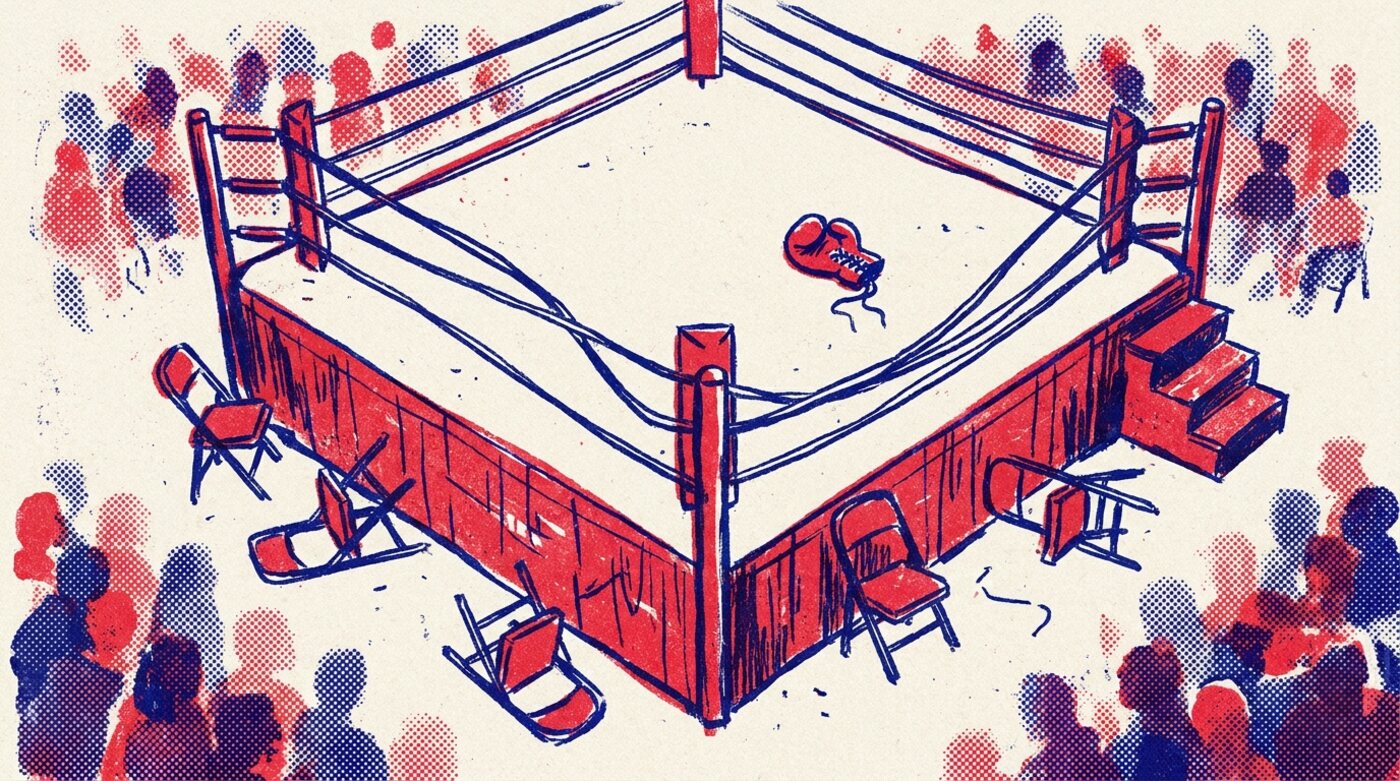
On Saturday night an influencer boxing show in Kilkenny ended early. The headline fight never happened. Instead there were thrown chairs, an assault victim on the way to hospital and two arrests. The brawl was filmed from every angle and on social feeds within minutes, and by Sunday morning it was the only part of the night anyone was talking about.
That is the real business model, and it is why brands and platforms should stop paying for influencer boxing unless it is run like boxing.
What happened in Kilkenny
The event was Unhinged 003, held at The Hub on Cillín Hill. The Irish Times reports that the promotion is owned by the streamer Harrison Sullivan, known online as HSTikkyTokky, and advertised "influencer boxing and live entertainment". RTÉ reports that Sullivan had promoted one of the undercard fights, involving the British influencer Mo Deen, on Instagram as a "proper scrap".
According to the Irish Times, Deen won his bout, then jumped out of the ring at the anti-immigration activist Tommy Robinson, who was sitting in the front row. That started a fight in the crowd. Robinson was then brought into the ring for a face-off with Deen, apparently to promote a future fight. He threw a copy of his book about grooming gangs at Deen, which set off a second brawl. Reports describe chairs and glass being thrown and a metal barrier knocked over. The organisers abandoned the show before the main event.
Gardaí arrived at about 9pm. A man in his 30s was assaulted and taken to St Luke's Hospital. A man in his 20s was arrested. A teenager was arrested for violent disorder, and RTÉ and the Australian Associated Press report that he has since been charged. Gardaí say the investigation is continuing. Local councillor Eugene McGuinness told RTÉ the scenes were "mayhem".
Robinson, whose real name is Stephen Yaxley-Lennon, is on bail. AAP reports that he was convicted last month at Southwark Crown Court of harassing two journalists and is due to be sentenced on December 16.
"This is like WWE"
Afterwards Deen said in videos posted online that the confrontation had been scripted. He told followers he had "followed the script" that he understood Robinson's side had agreed to, and that "this is like WWE", according to the Irish Times and RTÉ. We have not seen a response from Robinson's side to that claim, and we can't verify it.
But look at what that defence admits. If Deen is right, someone planned a physical confrontation between an influencer and one of Britain's best-known anti-immigration activists, in a packed hall, a few weeks after Europe's October riots, to make a clip for a future fight. If he is wrong, the brawl was real. Either way, the crowd and the hospital patient did not know there was a script.
Wrestling is fiction with trained performers, rehearsed moves and a crowd kept behind barriers. Kilkenny was the reverse: an untrained crowd, a real grievance and a promoter trading on it.
The sport around the show
None of the reports we read said whether Saturday's bouts were sanctioned by any boxing authority. That is the bigger problem. In Britain, promoters are not legally required to hire a governing body to sanction a professional event, as Sky News explained in 2024. The British Boxing Board of Control, which the government recognises as the authority for professional boxing, has kept its distance. Its general secretary, Robert Smith, told Sky: "I don't agree with influencer boxing," and said many influencer fighters would probably not get a licence from his board.
Even the body that regulated most influencer bouts at the time, the Professional Boxing Association, had pulled out of working with the promoter Kingpyn Boxing over safety concerns and had parted ways with Misfits Boxing, Sky reported.
The case for influencer boxing, and why it isn't enough
It is worth being fair to the format. It has brought huge, young audiences to combat sport. Sky reported that Misfits' first event in August 2022 drew nearly two million viewers on DAZN. Misfits told Sky it takes boxer safety "to the highest possible professional standard". Some promoters use medicals, referees and sanctioning bodies, and some creators train seriously for months.
Those promoters should welcome a higher bar, because Kilkenny is what happens without one. A licensed boxing show has a regulator with the power to stop it, ban people from it and review its security. An unlicensed creator event answers only to its own view counts, and on Saturday the moment everyone shared was a brawl.
What brands and platforms should do
- Brands: don't sponsor, place products in or pay creators to promote any fight card that isn't sanctioned by a recognised boxing authority, with independent medicals and professional security written into the contract. If your logo is on the ring apron when chairs start flying, your brand is in the clip.
- Agencies: treat combat events like any other high-risk placement. Check who sanctions the event, who runs security and what the promoter has said publicly about the bouts. A "proper scrap" is a warning sign, not a selling point.
- Platforms: stop paying out on clips of crowd violence that a promoter has deliberately staged. If a fight is scripted, label it as entertainment. If it isn't, it's footage of a crime.
- Governments in Britain and Ireland: require sanctioning by a recognised body for any paid-admission combat event. A loophole that suited small amateur nights does not fit shows built for millions of phone screens.
What it means for creators
For creators who want to box, licensing is a better deal than it looks. It brings proper medicals, matched opponents and referees who can stop a fight, and it makes an event something mainstream sponsors can back. The creators who lose out are the ones whose fights are an excuse for the brawl.
Why it matters: Influencer boxing has become a real line in the creator economy, with broadcast deals, sponsors and pay-per-view. Kilkenny shows that its most valuable content can be disorder, and that whoever pays for that content shares the risk. Until the sport is regulated like boxing, brands should keep their money out of the ring.
Related: Creators need standards before they need a union and The livestreamed uprising: how creators covered Europe's October riots.
This is the view of The Collab Report's editorial board. Disagree? Tell us, and we may publish the best responses.