Instagram brings content protection to creators, targeting reposts and AI-altered videos
Creators can block, label, track or release copies of their Reels. Detection of AI videos that reuse a creator’s audio starts as a small test in the coming weeks.
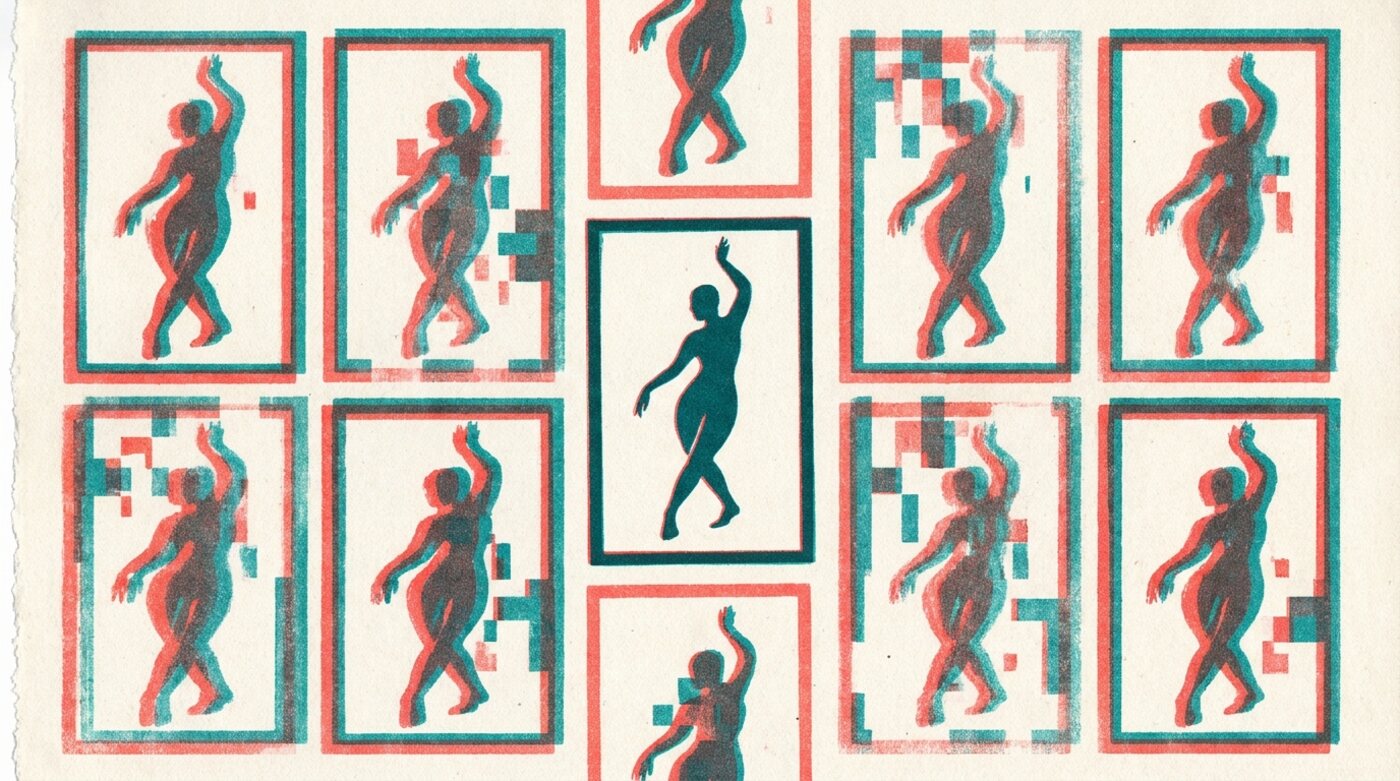
Instagram has brought its "content protection" tool to creators, giving them a way to find and act on unauthorised reposts of their Reels. It will also start testing detection of AI-generated videos that reuse a creator's original audio, even when the visuals have been changed. The company announced the launch on Tuesday, November 17, TechCrunch reported.
The tool is not new to Meta. The same system has run on Facebook since Meta launched it for Reels creators about a year ago. What is new is Instagram, the platform where much of the copying happens, and the move toward AI-altered copies.
How it works
Eligible creators get an invitation in their activity feed. Once they enrol, every original video they post to Instagram is protected automatically. They can also go back and protect eligible videos they posted before enrolling.
Instagram then scans continuously for Reels that match a protected video and alerts the creator when it finds one. The creator has four options:
- Block the matching video so it can't be viewed on Instagram or Facebook.
- Label it with an "original by" tag that links viewers back to the creator's video.
- Track it: leave the copy up and watch how it performs.
- Release the claim, so the reel stays up on Meta's apps.
Creators can also add approved accounts, such as a second profile or a brand partner, to an allow list, so that authorised reposts are not flagged as matches.
The AI part is still a test
The headline feature is the least finished. Instagram says it will begin detecting AI-generated videos that reuse audio from a creator's original content, even when the picture has been altered. That will be tested with a small group of creators "in the coming weeks", according to TechCrunch, before expanding to creators enrolled in content protection on both Instagram and Facebook.
Instagram also said it is exploring ways to limit the reach of accounts and content that repeatedly use AI tools to repost other people's work. It has given no timetable or detail for that.
Meta did not publish figures on how many creators are eligible, how many matches the Facebook version has found, or which countries the Instagram rollout covers.
Why now
Copying has always been cheap on short-form video. Generative AI has made it cheaper and harder to spot: a creator's voice or soundtrack can be lifted and laid over new visuals that no visual fingerprint will match. Instagram has been moving against this for most of the year. It restricted content aggregators in April and limited undisclosed AI profiles in August, and it is now trying to win original creators from YouTube with money and new formats. Protection against theft is part of that pitch.
What it means for creators
If the invitation appears in your activity feed, enrol, then go back and protect your best-performing older Reels. Put your own secondary accounts and any brand partners who repost your work on the allow list before matches start arriving. "Track" is worth a look before "block": a copy that is going viral with an "original by" label can send viewers back to you. The AI-audio detection is the feature to watch, but most creators will not have it yet.
What it means for brands and agencies
Brands that repost creator content on their own accounts, or run whitelisted content, should check their contracts and ask creators to allow-list their handles. Otherwise a legitimate repost could be blocked as a match. Agencies that recut creator videos into paid ads should expect more of that reuse to be visible to the creator who made it.
Why it matters: Instagram is giving creators a Content ID-style tool for Reels, and pointing it at the new problem of AI-altered copies. If the audio detection works at scale, the economics of lifting someone else's video and dressing it up with AI get worse. Until it leaves testing, though, the AI promise is still a promise.