Russell Brand jailed for 10 years and six months, ending a test case for creator platforms
The comedian turned online creator was sentenced at Southwark Crown Court for rape and sexual assault. YouTube cut his ad money in 2023; Rumble refused to. Here is what his case means for platforms and brands.
Updated November 18, 2026: Brand's wife read a statement from him in prison on the couple's YouTube channel, and the UK justice secretary says it is being urgently investigated.
Russell Brand, the comedian who rebuilt his career as one of Britain's biggest online video creators, was sentenced on Monday to 10 years and six months in prison for rape and sexual assault.
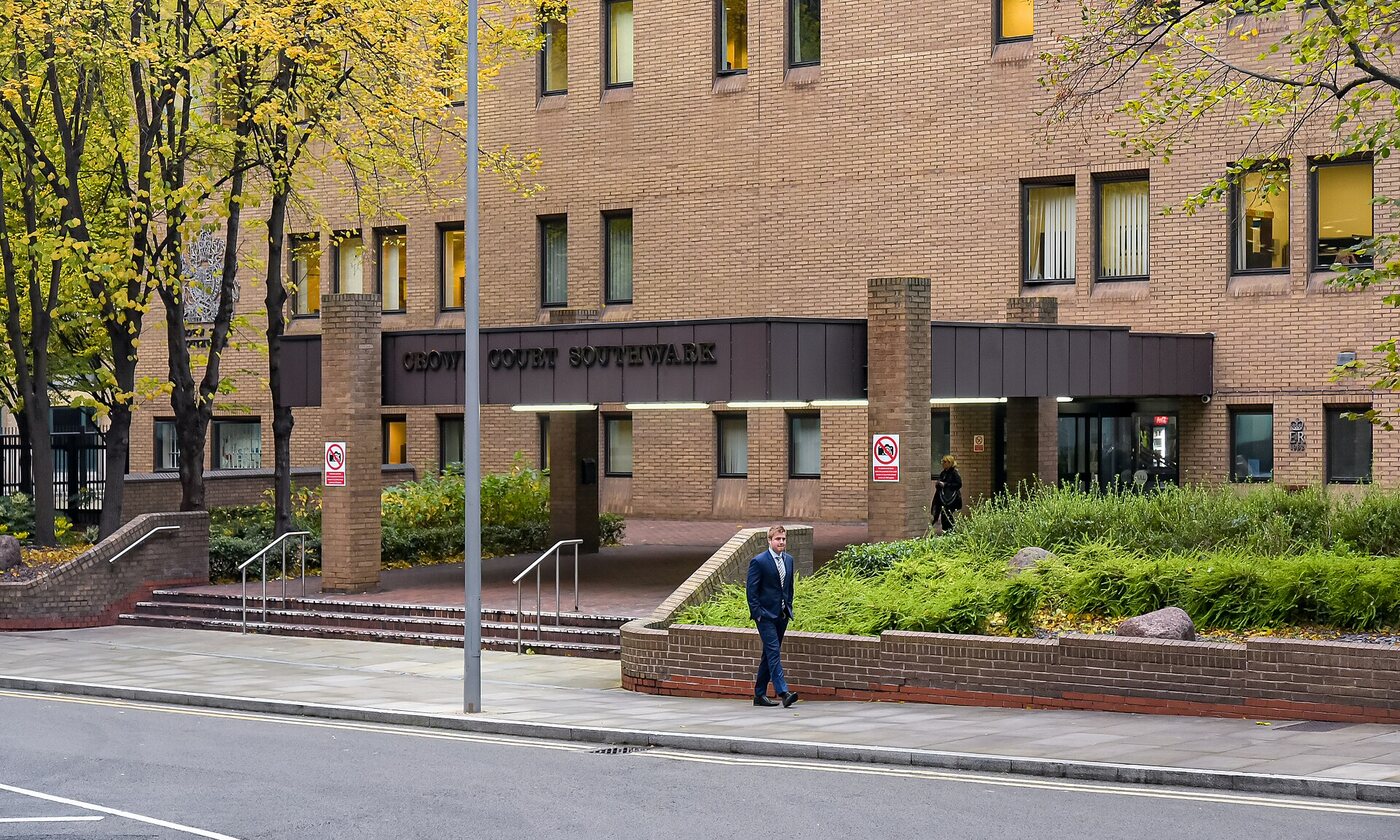
The sentence was handed down at Southwark Crown Court in London by Mr Justice Joel Bennathan, according to IBTimes UK, Deadline and The Hollywood Reporter. A jury convicted Brand last Thursday, November 5, after a four-week trial, The Hollywood Reporter said.
The convictions
Brand was found guilty of one count of rape and three counts of sexual assault, involving four women, between 2004 and 2009. The jury cleared him of two further counts of rape and one count of attempted indecent assault, according to The Hollywood Reporter. CNN reported that six women gave evidence against him. Brand denied all the charges.
IBTimes UK reported that he must serve at least two-thirds of the sentence in custody before he can be considered for release on licence, and that he will be on the sex offenders' register for life. According to the same report, the judge said Brand believed "fame meant you could act how you liked, when you liked, unhindered by the rules by which decent people live."
Detective Superintendent Andy Furphy of the Metropolitan Police praised the women's "immense bravery, dignity and resilience", IBTimes UK reported.
From television to the creator economy
Brand built his fame on British television and radio and in Hollywood films. Over the past decade he became a full-time online creator, first with a wellness and spirituality channel on YouTube and later with a daily political commentary show. CNN described him as having more than 6.6 million subscribers on his YouTube channel.
When the allegations were first reported in September 2023, YouTube suspended his ability to earn advertising money, saying he had broken its creator responsibility policy. Brand then urged his audience to follow him to Rumble, where his daily show, "Stay Free with Russell Brand", had streamed since 2022 and where a yearly subscription cost about $60.
That month Caroline Dinenage, chair of the House of Commons culture committee, wrote to Rumble asking whether it would also cut off his earnings. Rumble's chief executive, Chris Pavlovski, publicly refused. He called the request "deeply inappropriate and dangerous" and said Rumble "stands for very different values" than YouTube. Brand kept making his show after he was charged in 2025.
Meta disabled Brand's Instagram and Facebook accounts on Wednesday, November 11, two days after the sentence. A Meta spokesperson told The New York Times that its policies do not allow accounts "owned by a convicted sex offender, convicted of offenses related to the sexual abuse of children or adults." The Times put his following at nearly 5 million on Instagram and more than 6 million on Facebook. Brand's team criticised the ban on X, where his account is still active.
His YouTube channel was also still up. A YouTube spokesperson declined to tell The New York Times whether the conviction would affect the account. We found no new statement from Rumble about his account or his show.
The channel has kept posting. On Sunday, November 15, his wife, Laura Brand, read a statement from him in a new video on the couple's YouTube channel, NBC News reported. In it he said "I am not guilty" and named the prison where he is held, HMP Littlehey. Justice Secretary Alex Norris said the matter was being "urgently investigated", and the prime minister's official spokesman called the statement "clearly appalling", RTÉ reported. We found no statement from YouTube about the video.
What it means for creators
For the industry, this is the end of the clearest test so far of what happens when a creator's main platform cuts off their money before any court has ruled. Brand's case showed that a big audience can be moved and monetised elsewhere. Subscriptions on a friendlier platform replaced much of the advertising income YouTube took away.
It also showed the limits of that model. A direct-to-fan business can survive demonetisation, but not a criminal conviction and a prison term. For creators, the lesson is that platform policies on "creator responsibility" decide who can earn while allegations are still unproven.
What it means for brands and platforms
Platforms that defended Brand's right to earn on free-speech grounds will now be asked whether a conviction changes their position. Brands and agencies that advertise on smaller video platforms should check where their ads run, and push for clear policies on convicted creators rather than case-by-case decisions.
Why it matters: Brand was the most prominent creator to lose YouTube revenue over allegations and rebuild his income on a rival platform. His conviction and sentence turn a three-year fight over platform responsibility into a question every video platform will now have to answer.