TikTok quietly launches a standalone TikTok Shop app in Singapore, Malaysia, Thailand and the Philippines
The separate shopping app keeps live and short-video selling but drops the entertainment feed, and lures buyers with app-only deals. For affiliate creators in the region, it could change where their commissions come from.
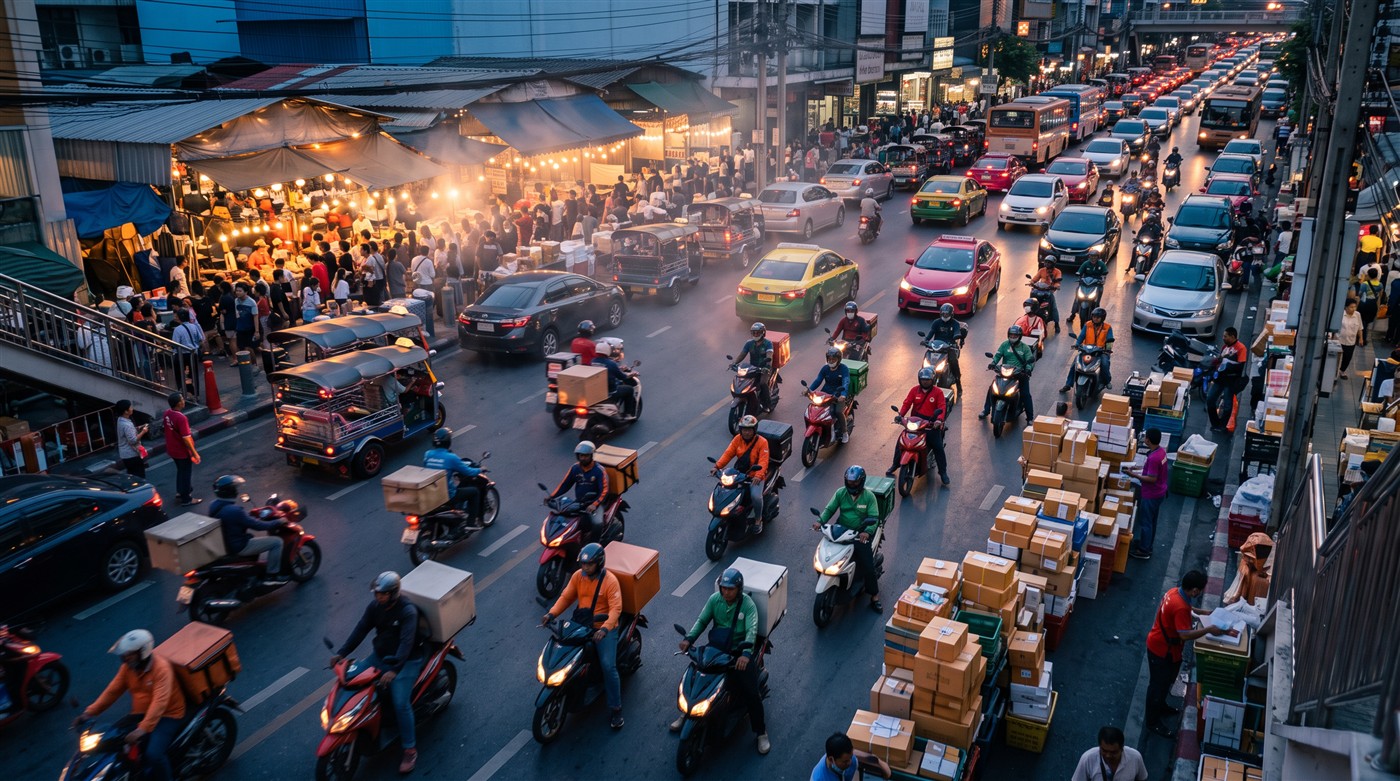
TikTok has released a standalone TikTok Shop app in four Southeast Asian markets: Singapore, Malaysia, Thailand and the Philippines. The app is live on iOS and Android, Tubefilter and Fintech News Singapore reported, following an initial report by TechCrunch. Social media consultant Matt Navarra was first to spot it.
There was no launch announcement. TikTok did not respond to TechCrunch's request for comment, and it has not said whether the app will come to other markets, including the US or UK.
What the app does
- A shopping-only feed of personalised product recommendations, without the main app's entertainment content.
- Shopping through livestreams and short videos, the same formats that drive sales inside TikTok.
- In-app checkout, order tracking and customer support.
- App-only offers, according to the store listing: free shipping deals, first-order benefits and discounts not available in the main TikTok app.
Those exclusive deals are the tell. TikTok is paying shoppers to move their buying out of the entertainment app and into a dedicated store, which puts it in more direct competition with regional marketplaces such as Shopee and Lazada, and with global discounters like Shein and Temu.
Why Southeast Asia first
Southeast Asia is where TikTok Shop proved its model. Momentum Works estimated that TikTok Shop's gross merchandise value in the region roughly doubled to US$45.6 billion in 2025, as cited by Digital in Asia. Cube data put TikTok Shop at 39% of combined GMV across Shopee, Lazada and TikTok Shop in the first half of 2026, up from 27% a year earlier, though Shopee still led with 55%, Fintech News Singapore reported.
Tubefilter noted that the US now generates a larger share of TikTok Shop's GMV than Southeast Asia. But competition in Asia is getting tougher, with YouTube working with Chinese retailer AliExpress on shopping. A dedicated app gives TikTok a way to reach shoppers who don't use its main app for entertainment.
The move also fits a wider pattern. TechCrunch reported last week that TikTok has been adding games, restaurant guides, sports hubs, hotel booking and microdramas to its main app, and exploring payments.
What it means for creators
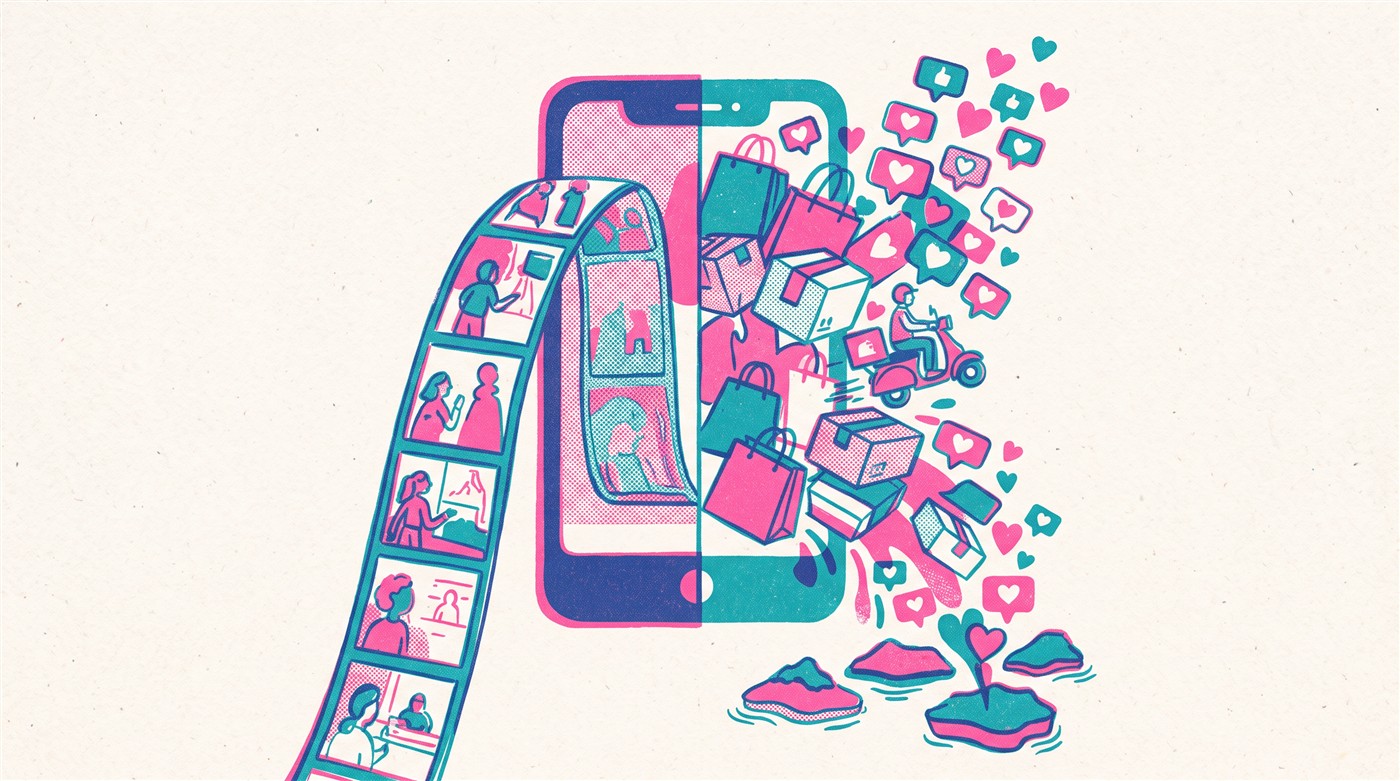
Affiliate creators and live sellers in these four markets earn commission when viewers buy products they promote. A separate app with its own feed and its own discounts raises practical questions TikTok has not yet answered publicly: how sales started in the new app are credited to creators, whether creator livestreams get the same prominence there, and whether app-only prices undercut what creators can offer their own audiences.
If shoppers do move over, a shopping-only feed could also reward a different kind of content: clear demos, product comparisons and selling livestreams, rather than entertainment that happens to include a product. Creators who already sell well should watch their attribution reports closely over the next few weeks.
What it means for brands and agencies
For sellers, the app is another storefront to optimise, with its own placements and promotions. Brands running affiliate programmes in Singapore, Malaysia, Thailand and the Philippines should check how commissions and campaign reporting handle sales from the new app before the year-end shopping peak. Teams in the US, UK and Europe should treat this as a likely preview, though TikTok has made no commitment beyond these four markets.
Why it matters: TikTok built its shop inside an entertainment app. By giving it a home of its own, with deals that reward switching, TikTok is testing whether creator-led shopping can stand alone as a marketplace. The answer will shape how affiliate creators get paid well beyond Southeast Asia.
Related: TikTok Shop and the state of live shopping in 2026.