The UAE bars influencers from promoting medical products as it tightens health advertising rules
The Emirates Drug Establishment says every medical ad needs its approval first and influencers cannot endorse medical products at all. It has already referred 14 influencers over weight-loss peptides.
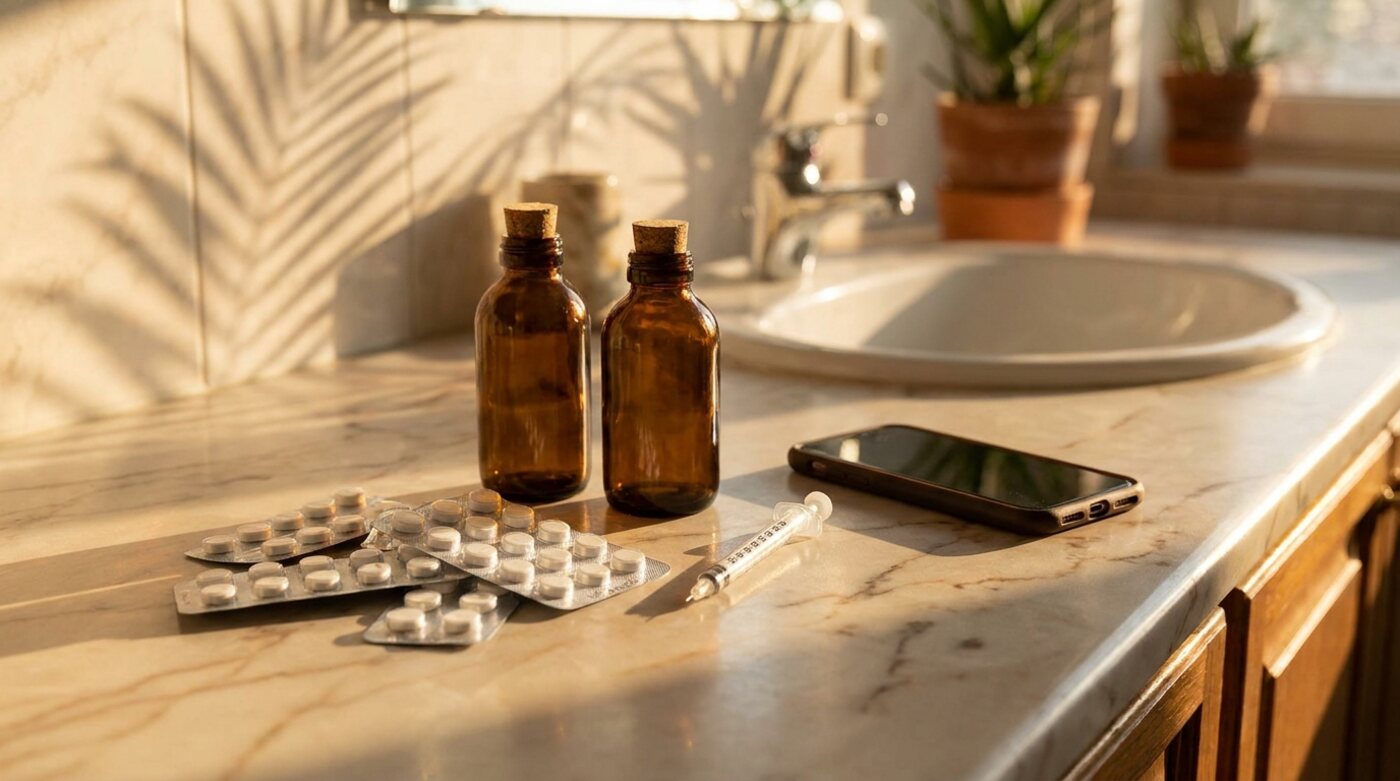
The United Arab Emirates has drawn a hard line around one of the most lucrative corners of influencer marketing. The Emirates Drug Establishment (EDE), the federal regulator for medicines and medical products, has restated that social media influencers may not advertise, promote or endorse medical products. The message was delivered on November 18 at a Medical Product Advertising Customer Council held at Emirates Towers in Dubai, and reported on November 19 by The National, the business site Zawya and Emirates 24|7.
The influencer rule is not new; the EDE described it as a reminder. But the regulator used the same meeting to set out its wider advertising regime, and the timing matters. Weight-loss jabs, peptides, supplements and aesthetic treatments are some of the fastest-growing sponsored categories on Instagram and TikTok in the Gulf, and the UAE has already shown it will act.
What the regulator said
According to the EDE's statement, carried by Zawya, every advertisement for a medical product must be approved by the EDE before it is published or circulated. That applies across print, audio and video, outdoor screens, websites and social media. Approved ads must be accurate and not misleading, match the product's approved information, disclose relevant risks or side effects, and carry disclaimers suited to the product and the audience. They must not encourage people to diagnose themselves or take medicines without a healthcare professional's supervision.
Alongside those rules sits what the EDE called "the prohibition on advertising, promoting or endorsing medical products through social media influencers." The regulator also said it would allow advertising for prescription-only medicines "under approved regulatory controls", a notable shift in a country where such ads have been tightly restricted. No detail or start date for that change was given.
EconoTimes reported that the announcement did not say when the influencer rule first took effect, what penalties apply to influencers who break it, or whether it covers creators based outside the UAE. Those gaps matter for anyone running cross-border campaigns.
The law behind it
The EDE was set up under a federal decree-law on medical products, the pharmacy profession and pharmaceutical establishments, reported by Gulf News in late 2024. EconoTimes identifies it as Federal Decree-Law No. 38 of 2024 and says it requires EDE approval for medical-product advertising in visual, written, audio and social media channels. Gulf News reported that the law's scope runs well beyond pharmacy shelves, covering medical devices, biological products, supplements and cosmetics, and that penalties include licence suspension and cancellation and fines of up to Dh1 million for establishments and Dh500,000 for practitioners.
Separately, the Dubai Health Authority sent a circular in August to private healthcare facilities and medical professionals on the advertising of health services, warning that breaches could lead to disciplinary action, The National reported. Aesthetic clinics, which lean heavily on influencer content, have been the sector most affected.
It has already been enforced
This is not a regulator issuing warnings into the void. In July, Gulf News reported that the EDE had taken action against 71 sources selling or promoting unapproved peptide products marketed for weight loss, including 14 establishments registered with local authorities, and had referred 14 social media influencers to the National Media Office for breaking rules on promoting and selling medicines online. Fares Al Mazmi, director of the EDE's inspection and control department, told Gulf News the main challenge was "the widespread marketing of these products through digital platforms", and said the response included "coordinating with the competent authorities to block offending accounts".
A second layer of licensing
The health rules sit on top of the UAE's general licensing regime for creators. In 2025 the UAE Media Council introduced a mandatory "advertiser permit" for anyone posting paid or unpaid promotional content, with a separate short-term permit for visiting non-resident creators that has to go through a licensed agency, as The National and Khaleej Times reported at the time. A media permit does not override the health rules: a licensed creator still cannot promote a medical product.
What it means for creators
For creators living in or working with the UAE, the safest reading is simple: no paid, gifted or affiliate promotion of medicines, supplements, devices or similar products, and great care with clinic and aesthetics content. A follower count and a media permit are not a health advertising licence. International creators who travel to Dubai for brand trips, or who target Gulf audiences, should ask their agencies in writing whether any product in a brief falls under EDE rules, since the regulator has not said whether the ban reaches beyond its borders.
What it means for brands and agencies
Health, wellness and beauty brands need to move UAE budgets for regulated products out of influencer line items and into approved channels, with EDE approval built into the timeline. The prescription-medicine opening is worth watching, but it will run through the regulator, not through creators. Agencies that handle Gulf campaigns should audit live content, including evergreen affiliate links, now that the EDE has shown it will refer influencers and seek to have accounts blocked.
The UAE is not alone. Regulators from Europe to Australia are wrestling with health content sold through creators, but most rely on disclosure labels. The UAE has chosen an outright ban instead.
Why it matters: Health and wellness is one of the richest veins of sponsored content, and the UAE has closed it to influencers entirely. For a market that has worked hard to attract creators, it is a clear signal that the welcome stops at the pharmacy door.