YouTube now counts everyone on the sofa: TV co-views added to public view counts
One TV playback can now show as several views. YouTube says creator pay is unaffected, but brands pricing deals on public view counts will need to look again.

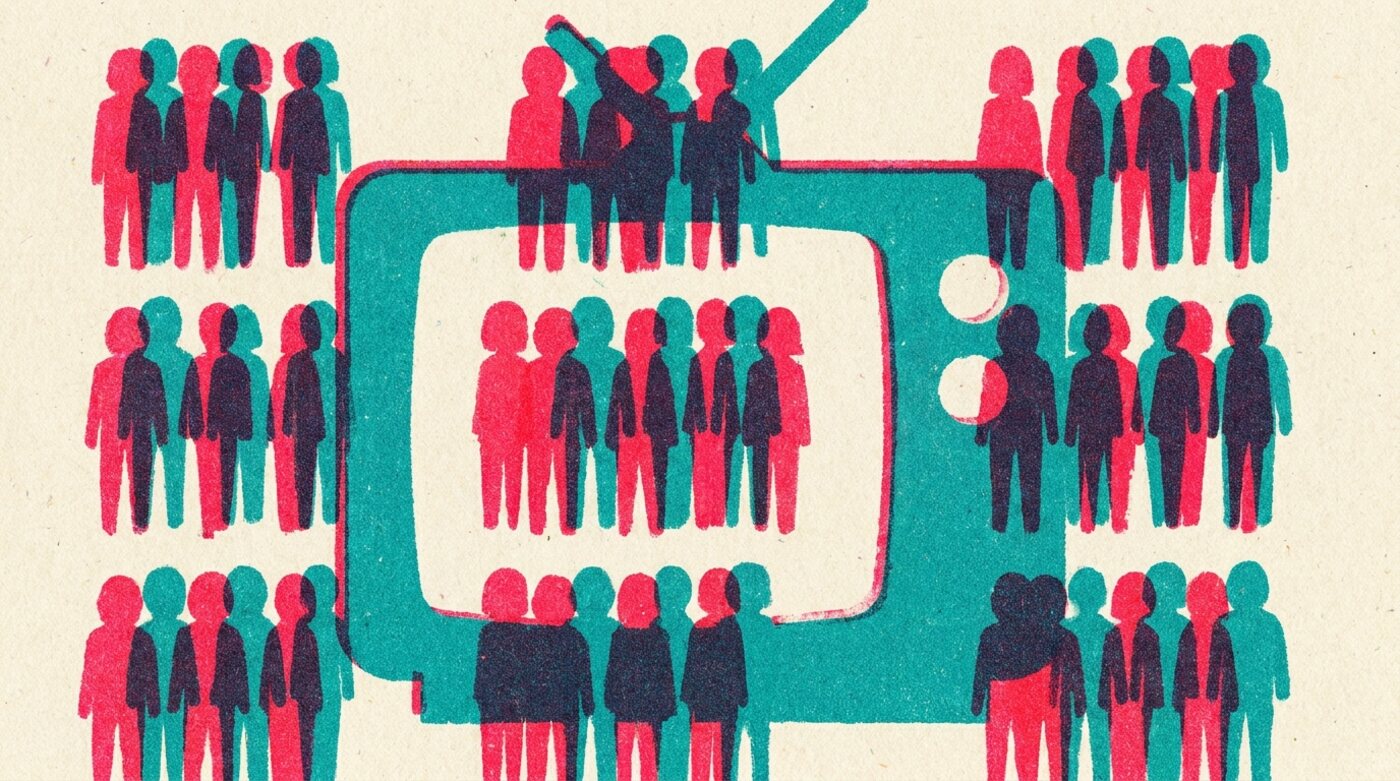
YouTube has started adding an estimate of the people watching together on a TV to the public view counts under its videos. Until now, one TV playback counted as one view, however many people were on the sofa. From now on, a video watched on a TV can show more than one view for a single playback.
TeamYouTube announced the change on Monday, November 16, in a post on YouTube's Help Community titled "Updating TV view counts to reflect your true audience." It applies to long-form videos, Shorts and live streams. YouTube's Help Center says public view counts now "incorporate co-views by estimating the number of individual viewers watching together on TV screens", and that the change begins in November 2026. Views on phones, computers and tablets still count once.
What changes, and what does not
According to the Help Center and reports by Net Influencer and PPC Land, co-view estimates now feed into public views, watch time, concurrent viewers on live streams and the "YouTube public views" that ads earn. Engaged views and unique viewers do not include them.
Creator pay is unaffected. "This update won't impact your YouTube Partner Program (YPP) earnings or eligibility," the Help Center says. Earnings stay tied to engaged views and engaged watch hours, and eligibility to qualified views.
Net Influencer reported that existing view counts will not be restated, but new TV views on older videos will include co-views. YouTube has not said which countries are covered.
A new number for creators: co-view rate
Creators get a private metric called co-view rate in YouTube Studio. YouTube's own example: a rate of 1.10 means that for every 1,100 TV views, 1,000 came from playbacks and 100 from estimated extra viewers. Dividing total views by the rate gives the count without co-views. The older "Views (Co-viewed)" metric, which YouTube launched in September as a figure for creators to show brands, will be retired in May 2027.
YouTube says the estimates come from a statistical model based on demographic patterns, content type and viewing times. It says it does not use cameras, microphones or device sensors. It has not published error margins.
Why YouTube is doing it
TV is now YouTube's biggest stage. YouTube says people watch more than a billion hours of it on TVs every day, and Nielsen put it at a record 15.8% of US TV viewing in August. In its announcement video, YouTube said the change brings its counts in line "with TV industry standards", since broadcasters have long estimated how many people watch a single set.
The difference is who does the counting. TV ratings come from independent measurers such as Nielsen. This estimate comes from YouTube itself. Independent figures also differ: a study by the Video Advertising Bureau and TVision earlier this year found less shared viewing on YouTube than on premium streaming services.
It is the second change to how YouTube counts views this year. In August it started counting a public view from the first frame of playback. It also comes days after the IAB called on platforms to standardise the definition of a view, Tubefilter reported. The IAB is already working on measurement standards for creator deals.
What it means for creators
Channels watched in living rooms, such as family shows, gaming, sport and long-form entertainment, should see public counts rise faster than before. Your income will not change. Check your co-view rate, and be ready to explain to brands which number you are quoting. Export your old co-viewed data before May 2027.
What it means for brands and agencies
A view on YouTube now means less than it did a year ago. Rate cards built on public view counts will rise without any change in the real audience. Price deals on engaged views, unique viewers or verified watch time, ask creators for their co-view rate, and do not compare YouTube counts directly with TikTok or Instagram counts.
Why it matters: The public view count is the number the creator economy trades on, and YouTube has just changed what it measures. Creators get credit for the people watching with them. Brands lose a little more of their ability to compare like with like, and the industry moves further from a single definition of a view.