YouTube returns to the Billboard charts after Billboard gives free streams more weight
YouTube pulled its data from Billboard in January over how free plays were counted. Billboard has now changed its album formula, and YouTube says it will be back in 2027. Here is what that means for music creators and the brands behind them.
YouTube is going back to the Billboard charts. Lyor Cohen, YouTube's global head of music, said on Monday that the platform's streaming data will count toward Billboard's US rankings again from 2027. That ends a split that took YouTube off the charts for most of 2026.
The reversal came after Billboard changed how it weighs free streams against paid ones. That weighting was the whole reason YouTube walked out. Billboard's methodology update, reported by Billboard, Digital Music News and TechCrunch, was announced alongside YouTube's update.
What changed
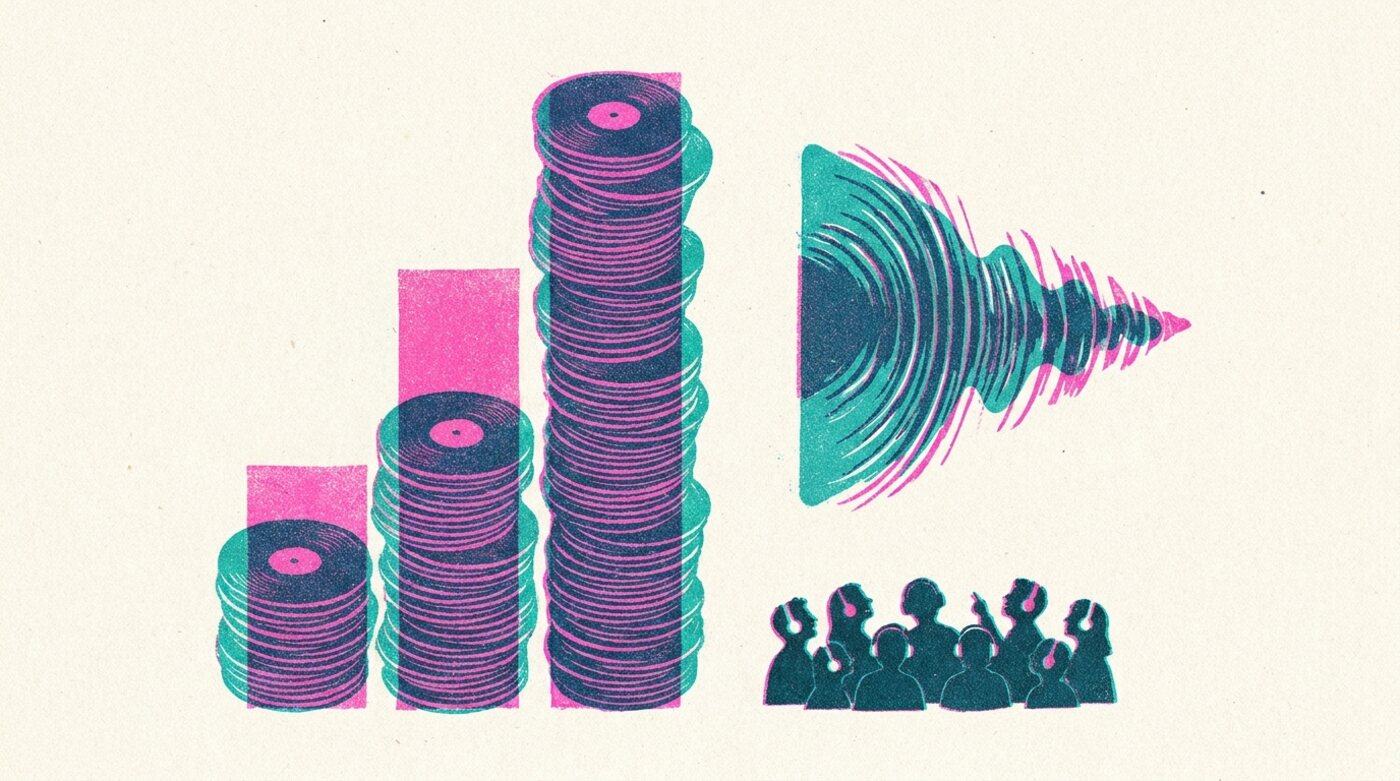
Billboard's album charts turn streams into "album consumption units". Under the current rules, one unit equals 1,000 paid or subscription streams, or 2,500 ad-supported streams, according to Digital Music News. From 2027 the paid figure stays at 1,000, but the ad-supported figure drops to 1,500. In other words, a free play will be worth much more than it is now, although it still counts for less than a paid one.
Billboard said the new ratios are "informed by an analysis of revenue from paid and ad-supported streaming", Digital Music News reported. The change applies to the Billboard 200 and the genre album charts dated January 16, 2027, which cover listening from January 1 to 7. Album sales and download rules are unchanged. None of the reports we read described a matching change to song-level ratios for the Hot 100.
How the split happened
In December 2025, Cohen wrote on YouTube's official blog that Billboard used "an outdated formula that weights subscription-supported streams higher than ad-supported." He argued that every stream should be counted "fairly and equally, whether it is subscription-based or ad-supported". He said YouTube would stop sending its data after January 16, 2026. YouTube was missing from charts dated from January 31, 2026.
In Monday's update to the same post, Cohen wrote: "We are returning to the Billboard charts starting in 2027." He said Billboard's new methodology "better reflects how fans engage with music today across both subscription and ad-supported services." YouTube did not get the one-to-one parity it had asked for. Still, the gap has narrowed sharply.
The relationship goes back a long way. Billboard first counted YouTube plays in 2013, according to Stereogum, and the platform's data was added to the Billboard 200 in 2019.

What it means for creators
For musicians who build their audiences on YouTube, the charts are open again, and on better terms. Most YouTube listening is free and ad-supported. A rule that gives free plays more weight helps artists whose fans watch rather than subscribe. That often means independent acts, artists with big audiences outside the US, and anyone whose breakout comes from a viral video rather than a playlist placement. TechCrunch noted that music videos, live performances and lyric videos will count toward artists' Billboard results once the data returns.
It also brings back a route that pure internet acts have used before. A chart position is a headline, a booking tool and a negotiating chip. During 2026, a hit that lived mainly on YouTube simply did not show up in the main US album chart.
What it means for brands and labels
Labels and music marketers have spent a year planning US chart campaigns without YouTube in the count. From January, YouTube views will move rankings again, so promotion budgets for official videos, Shorts campaigns and creator-led song pushes are likely to carry more weight. Brands that sponsor music content on YouTube will be able to point to chart impact that was off the table this year.
The deal is also a sign of YouTube's leverage. A single platform pulled its data from the industry's best-known scoreboard, and within a year the scoreboard changed its formula.
Why it matters: The ad-supported audience is where most creators, and most of YouTube, live. By making Billboard count a free play for much more than before, YouTube has moved a fixture of the music business toward the way the creator economy actually works.