YouTube Shopping arrives in Australia with Amazon, and walks into a gap TikTok left open
Australian creators can now tag Amazon.com.au products in videos, Shorts and livestreams, and earn on overseas viewers. With one retailer and no published rates, it is a start, not yet a business model.
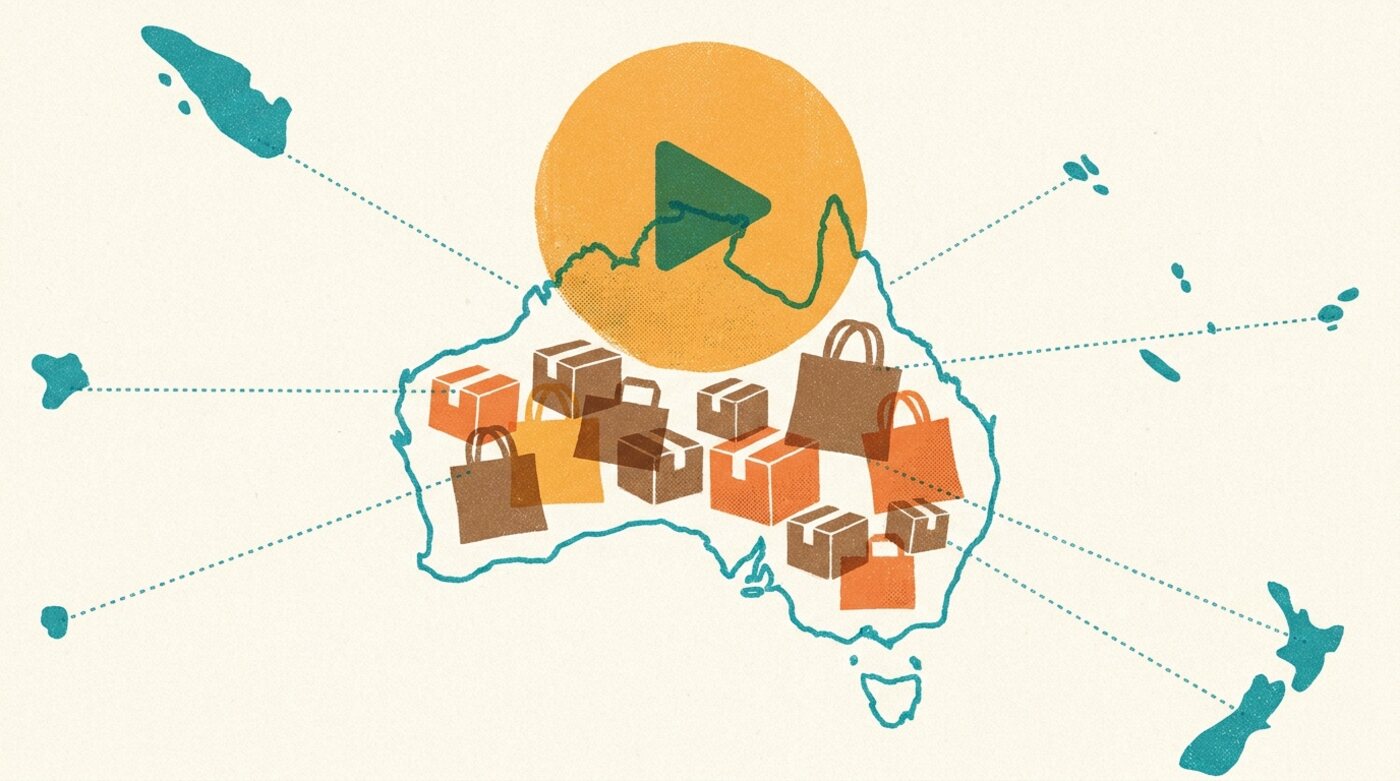
Australian creators finally have a shop window built into YouTube. On Tuesday, November 17, YouTube launched its Shopping affiliate program in Australia, with Amazon.com.au as the first and, for now, only retailer, according to Mediaweek and B&T.
The launch matters more in Australia than it would in most markets. TikTok Shop, the format that has driven creator-led selling in Britain, the US and South-East Asia, still does not let Australians sell locally. That leaves YouTube, a platform better known for long reviews than impulse buys, giving Australian creators an in-video way to earn commission on the products they talk about before its biggest short-video rival does.
What YouTube has switched on
Eligible creators can now tag Amazon.com.au products in long videos, Shorts and livestreams, using a product picker in YouTube Studio that runs on Google Merchant Center. Viewers see the price, an image and stock availability inside the player and can click through to buy on Amazon without stopping the video. The tags work on phones, desktops and connected TVs. Categories at launch include tech, home, books, beauty and fashion.
B&T reported that YouTube describes this as the first phase of a longer commerce push in Australia, and that it is talking to more local retailers. It has not named any.
Chris Ledlin, who works in partnerships at YouTube Australia and New Zealand, said in the launch statement that the company's aim was to "build a sustainable, multi-layered economic ladder that rewards creators". Arno Lenior, Amazon Australia's director of marketing, said: "Creators play an important role in helping Amazon customers find products they'll love."
The part most creators will miss: overseas viewers
The most useful feature for Australians may be one that launched quietly. YouTube's "universal" shopping tags localise automatically. If a viewer in London or Los Angeles watches an Australian creator's review, the tag shows them a local retailer, in their own currency, and the creator can still earn commission on that sale.
That fits Australia unusually well. According to figures cited in the launch coverage, more than 90% of the watch time on local Australian content comes from viewers outside the country. Until now, a Sydney tech reviewer whose audience was mostly American earned little from an Australian affiliate link that most of their viewers could not use. YouTube first announced localised tags at its Made on YouTube event in September, when it also said it planned to bring the Shopping program to 35 markets by the end of 2026.
One retailer is a thin start
Compare Australia's launch with Britain's. When YouTube announced the program for UK creators in August, it came with six retailers: Wayfair, Currys, Debenhams, Boots, M&S and Etsy, according to PPC Land. Australia gets one.
That has three consequences:
- Amazon sets the terms. Neither company has published the commission rates Australian creators will earn through YouTube tags, and the launch coverage did not include them. Creators should check the rates in YouTube Studio before moving their links over.
- Australian brands are mostly outside it. A local skincare or fashion label that does not sell on Amazon.com.au cannot be tagged. B&T notes that Amazon's catalogue does include thousands of Australian sellers, many of them small businesses, so the brands most likely to benefit first are those already selling there.
- Retail habits will shape it. The Australia Post eCommerce Report 2026, cited by both trade titles, puts Australian online spending at $82.6 billion. Amazon is a large part of that market, but it is far from all of it. Until department stores and specialist chains join, creators in beauty, fashion and homewares will find gaps in what they can tag.

Who can use it
YouTube said the program is open to Australian creators "who meet the eligibility criteria", without spelling them out in the launch announcement. Elsewhere it has set the bar low. When the program launched in the UAE, Saudi Arabia and Egypt in October, The National reported that creators needed to be in the YouTube Partner Program with at least 500 subscribers, three public uploads in the past 90 days, and either 3,000 public watch hours in the past year or three million Shorts views in 90 days. In March, YouTube dropped the separate 10,000-subscriber threshold the Shopping program used to carry, according to PPC Land. Channels focused on music, and channels set as Made for Kids, are excluded.
Whether exactly the same rules apply in Australia has not been confirmed. Creators can check their own status in the Earn section of YouTube Studio.
Why the timing matters
The launch lands ten days before Black Friday, on November 27, and at the start of the Christmas shopping season. That is when gift guides, "what I'd buy" videos and deal round-ups pull the most traffic. YouTube says early tests in other markets showed in-video shopping tags drew more than twice as many clicks as affiliate links in video descriptions. It has not published how those tests were run, so the figure is best read as a claim rather than a benchmark.
It also sharpens the contrast with TikTok. In March, TikTok's Australia and New Zealand business chief, Amy Bradshaw, said at a Sydney industry event that there were no near-term plans to launch TikTok Shop in Australia, according to Australian trade coverage. TikTok has not announced a date since. Australian brands that want to sell through TikTok have had to do it cross-border, into the US, UK and other markets. That gives YouTube a head start in Australia.
What it means for creators
Australian creators who already use Amazon affiliate links should move their best-performing products from description boxes to in-video tags, starting with evergreen reviews and how-to videos that keep getting search traffic. Creators with large overseas audiences have the most to gain from localised tags and should check that their back catalogue is tagged. Treat the program as one income stream, not a strategy. With one retailer and undisclosed rates, it is too early to rely on it.
Shopping income also sits alongside brand deals, not instead of them. Any sponsored product still needs the usual disclosure, and affiliate tags do not change that.
What it means for brands and agencies
Brands that sell through Amazon.com.au can now benefit from creator content on YouTube without running a separate affiliate scheme. They should check that their listings are complete and in stock before the Christmas peak. Brands that sell only through their own stores or other retailers should push YouTube, through their agencies, to be in the next wave of merchants. Agencies should start reporting affiliate clicks and sales next to paid sponsorships, because YouTube's data will soon show which creators actually move product.
Why it matters: Australia has been a social-commerce gap: a rich online-shopping market where TikTok Shop has never launched for local sellers. YouTube has stepped into it first, with Amazon alone. Localised tags could finally let Australian creators earn from the overseas audiences that make up most of their viewing. But until more retailers join and commission rates are public, it is a promising first step rather than a new business model.