Who paid for that post? AI industry influencer campaigns expose a disclosure gap
An investigation traced more than 80 X influencers sharing pro-AI-industry articles, most without labels, to the influencer marketing firm Urban Legend. US ad rules barely reach paid issue posts. Europe's already do.
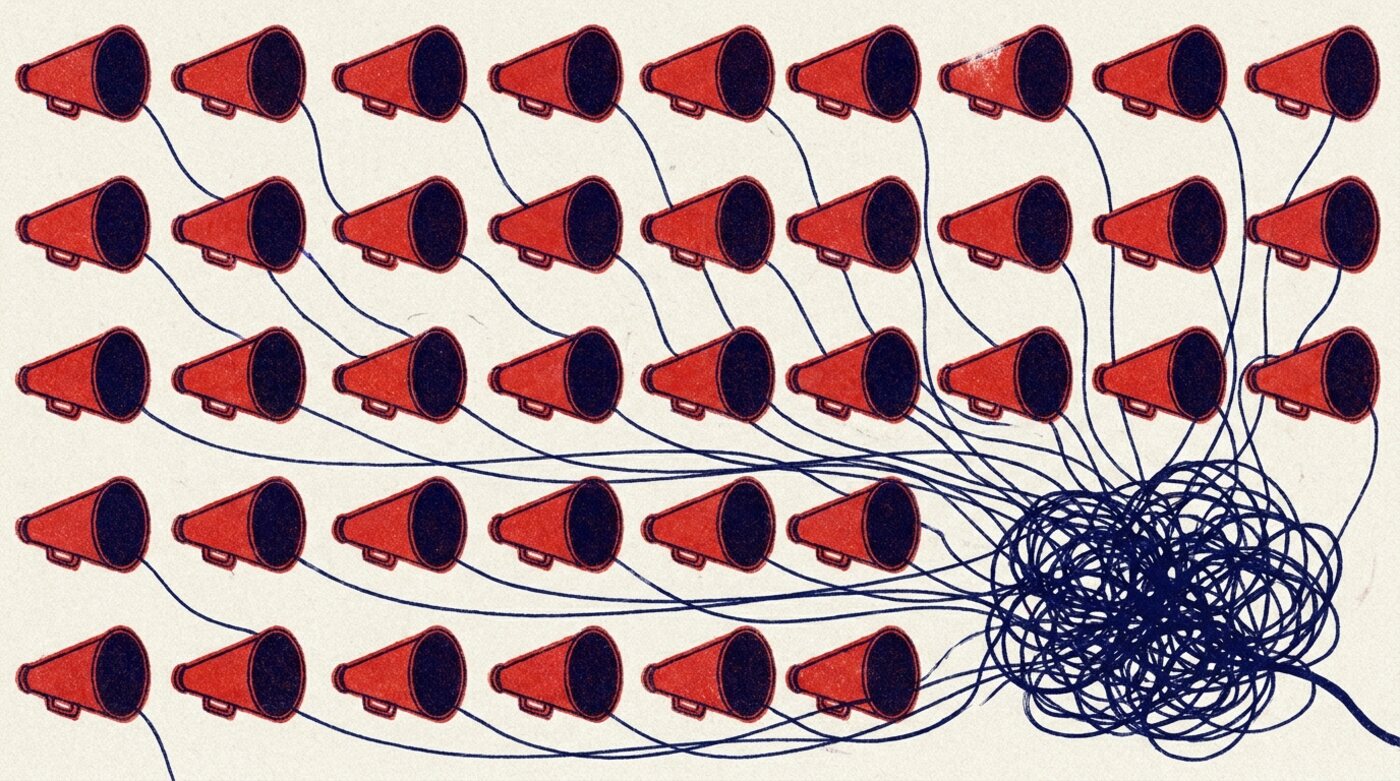
Scroll through X on a busy news day and you will see dozens of political accounts sharing the same article within hours of each other. Each post reads like a personal recommendation. An investigation published on November 16 suggests many of them were nothing of the kind.
The report, by Philip Dowdell for the newsletter Model Republic and shared by the AI watchdog The Midas Project, found that more than 80 right-leaning influencers on X had "likely been paid" to push a run of mostly pro-AI-industry articles over more than a year. The posts attacked AI safety advocates, argued against state AI laws and, in several cases, promoted Nvidia's interests, including the sale of its H200 chips to China.
Most of the posts carried no label saying they were paid. And the gap they slipped through is not just a platform failure. It sits between the rules that govern product advertising and the rules that govern politics. For creators and brands, that gap is about to matter a lot more.
How the campaigns were traced
The investigation did not rely on leaked contracts. It followed links. Dowdell found X posts carrying shortened links that redirected in the same way, and most of them passed through a domain called mycreator.studio. According to the report, that domain is used only by Urban Legend, a right-wing influencer marketing firm, and pages reached through it name "urban_legend" as the source of the traffic.
The scale was bigger than AI. The report counted more than 8,000 posts routed through that domain, most of them in campaigns that had nothing to do with AI, plus nearly 6,000 more that used tagged links traced to the same network. Within that, it identified at least two dozen AI-related campaigns. The most recent ended on November 10.
The report says Urban Legend pays creators per click or action. It cites 2023 reporting by WIRED and archived code from Urban Legend's web app, whose terms say creators "will be paid fees for Conversions." After Dowdell emailed the company for comment, he reported, a new redirect domain was registered within an hour, and at least eight new links were using it the next day. Urban Legend declined to comment.
Who was paying
This is where the evidence thins, and the report says so. "Urban Legend doesn't disclose publicly who pays for a particular campaign, so it's hard to know for sure," it says.
Two groups appear in the trail. One creator labelled a post "#ad #BuildAmericanAI". Build American AI is a non-profit tied to Leading the Future, a pro-AI super PAC network backed by, among others, OpenAI president Greg Brockman and the venture investors Marc Andreessen and Ben Horowitz. The report also links several campaigns to Innovation Council Action, a group it describes as connected to David Sacks, the White House's AI adviser. Five campaigns promoted writing by that group's senior policy adviser.
It is not the first time Build American AI has been linked to paid creators. In May, WIRED reported that the group funded a campaign offering TikTok and Instagram creators thousands of dollars per video to frame Chinese AI as a national security threat. Some of those posts were labelled as ads, but the funder was not always named.
On Nvidia, the report is careful. Several campaigns boosted the chipmaker's positions, including its letter on open-weights AI and two pushes for H200 sales to China, which the report says "were likely not organic." But it also states: "There's no conclusive link between Nvidia and these campaigns." Nvidia, Build American AI and Innovation Council Action did not respond to the report's requests for comment.
A second layer: paid articles
The campaigns did not only pay the messengers. Some of the articles being shared appear to have been bought too. According to the report, four of five pieces promoted from the site Trending Politics were marked "Sponsored" or "Sponsored Plus." An unsigned pro-H200 piece on Upward News, a site that sells "native editorial advertisements," drew its first Urban Legend link within about two and a half hours of going live.
That creates a stack of disclosure failures. A reader sees a creator they follow share what looks like a news story. Neither the post nor, in some cases, the story says who paid. Even where a creator did disclose a "paid partnership", the report found, the label named the website, not the group that had paid for the article itself.
Why US ad rules barely reach this
A skincare creator who posts a paid recommendation without saying so is breaking well-understood rules. The Federal Trade Commission's Endorsement Guides say payment is a connection that must be disclosed, and that starting a post with "#ad" would likely be enough.
But the FTC's own guidance is blunt about its limits. "The FTC doesn't have jurisdiction over political advertisements," it says, and its rules apply to endorsements "on behalf of a sponsoring advertiser." A paid post attacking a state AI bill is not obviously selling a product. A paid post pushing a company's chip sales to China arguably is. The Urban Legend campaigns mixed both, and nobody has tested where the line falls.
That is the structural problem. Issue campaigns that would once have bought billboards or TV spots, with "paid for by" lines attached, can now rent the voices of trusted creators instead, and pay per click.
Britain and Europe draw the line differently
Britain does not obviously do better. The UK's advertising code, policed by the Advertising Standards Authority, exempts claims "whose principal function is to influence voters" in an election or referendum. Its influencer disclosure guidance, written with the Competition and Markets Authority, is built around marketing.
The European Union has gone further. Its regulation on the transparency and targeting of political advertising, which has applied since October 10, 2025, covers paid messages designed to influence not only elections and referendums but legislative and regulatory processes. The European Commission's guidelines treat influencers who are paid to carry such messages as providers of political advertising, which brings labelling and transparency-notice duties. A paid campaign against an AI law would sit squarely inside it.
The rule has costs. Google said in late 2024 it would stop serving political ads in the EU, and Meta suspended political and issue ads there from October 2025, both citing the law's scope. But it means an American-style Urban Legend campaign aimed at a European AI law would, in principle, need a label naming its sponsor.
What it means for creators
Pay-per-click political work can look like easy money: share a link, earn on the traffic, no script to read. But the reputational risk is large and lasting. The report named individual accounts and showed how their links were tracked. Investigators now know how to follow redirect domains, and switching to a new one did not stop this report.
If you take paid issue work, label it, and name who is paying, not just the website. If the agency cannot or will not tell you who the client is, that is your answer.
What it means for brands and agencies
Companies with public policy goals, AI firms included, increasingly fund trade groups and advocacy non-profits that run their own creator campaigns. Brands may not control those campaigns, but they will own the headlines if one is traced back. Ask the groups you fund whether they pay creators, how those posts are labelled and whether the sponsor is named.
Agencies working across borders should assume EU rules apply to any paid campaign touching European legislation, and should build sponsor-naming into contracts everywhere else as standard.
Why it matters: Creator marketing grew up on the promise that audiences trust people more than ads. The AI industry's policy fight shows how easily that trust can be rented for political ends without anyone saying so. In the US, no regulator clearly covers paid issue posts. Europe already does. Until the US closes the gap, the only check is investigators following links, and the creators caught at the end of them.