Australian brands are spending more on creators than ever. Australians are trusting them less
Creator budgets are heading for A$1 billion and no marketer surveyed plans to cut back. But new research from TBWA, IAB Australia and AiMCO shows an audience that is sceptical of viral hype and wants credibility over reach.
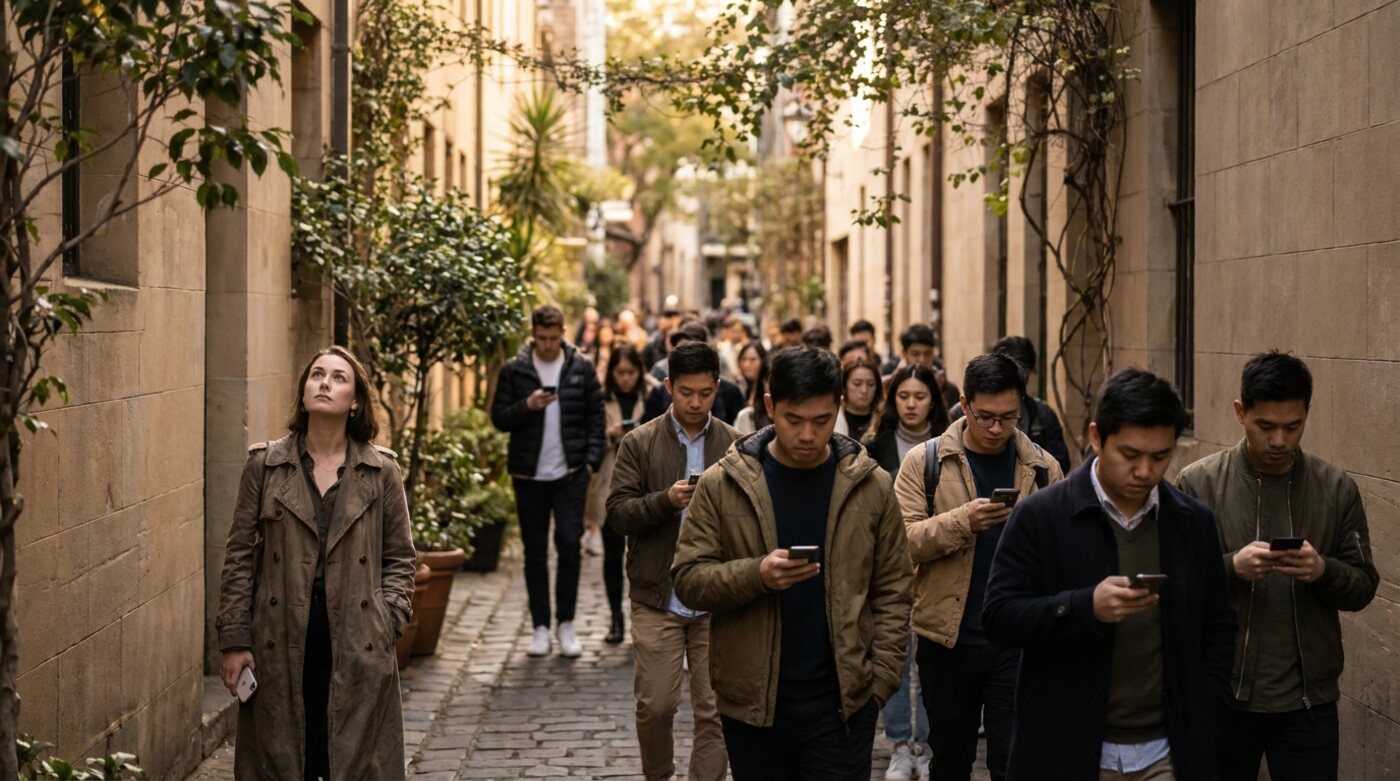
Australian brands have never put more money into creators. Australians have rarely been more doubtful of them. Four sets of research published this year, from industry bodies, an ad agency network and a consumer study, show both trends clearly. Read together, they suggest the next stage of creator marketing in Australia will be decided by trust rather than reach.
The money keeps rising
The spending is not in doubt, even if its exact size is (we looked at the competing estimates of the market's size last week). The Digital 2026 report from Meltwater and We Are Social found that Australian brands spent A$830 million on influencer marketing over the previous twelve months, up 13.5% on the year before. Mumbrella reported that this made influencer advertising the country's second-fastest-growing digital category, behind only online retail.
Brands plan to spend more. In September the Australian Influencer Marketing Council (AiMCO) and the Marketing Association of Australia published their first State of Creator Marketing Australia report. B&T reported that 84% of the organisations surveyed already invest in creator marketing, 77% plan to increase that investment over the next two years, and none expect to cut it. The report did not publish its sample size.
"Australian creator marketing is growing, and growing with conviction," AiMCO managing director Patrick Whitnall said, according to B&T.
IAB Australia's Creator Connect research, released on September 16, found that 61% of Australians say creators shape which brands they discover, rising to 85% of people under 40. "Creator marketing is now a mainstream part of the media mix," IAB Australia chief executive Gai Le Roy said.
The audience is getting harder to impress
The audience mood is less settled. On October 22, Backslash, the cultural intelligence unit of the agency network TBWA, published a report called Becoming Uninfluenced. It was based on expert interviews and a survey of more than 700 people in the US and UK. Its headline finding was that 62% of respondents consider being hard to influence more aspirational than being an influencer.
TBWA ran a smaller version of the survey in Australia, a OnePulse poll of 350 people, and shared the results with Mi3. They largely match. Mi3 reported that 59% of Australians said being hard to influence was more aspirational, and 76% agreed that algorithms have "killed the joy of discovery", compared with 83% in the UK and US.
Australians are also suspicious of things that go viral. Asked what they first assume when something goes viral, 35% of Australian respondents said bots or fake engagement and 31% said the brand engineered it. Only 33% said they assume people genuinely love it. That is still more than the 25% in the UK and US.
"Australians are pretty realistic and pretty down to earth, and that makes us quite suspicious of things," Eloise Liley, TBWA's chief strategy officer, told Mi3. She described influencer marketing as having "probably reached what is a saturation point".
Backslash calls the wider mood "taste paranoia": the worry that your preferences are no longer your own but the product of recommendation algorithms and engineered influence. Cecelia Girr, the unit's head of strategy, said in the report's release that people are rejecting "influence that feels imposed on them", not recommendations as such.
A separate consumer study points the same way. Research by Oaktree Insights and Consulting, described by Melissa Laurie in Dynamic Business in July, found that 43% of Australian respondents named influencers as their least trusted source when researching products. That was the highest score of any source tested, against 9.5% who named influencers as their most trusted source. Gen X was the most sceptical generation (47.7%), but Gen Z was not far behind (40.8%). And 78% said it is getting harder to tell independent content from sponsored content online.
What is fuelling the fatigue
The reports point to supply as much as to attitudes. Backslash singles out the "clipping economy", in which paid networks cut podcast and livestream highlights into hundreds of short variations and push them across feeds in the hope that one breaks out. It also describes a start-up, Doublespeed, building networks of synthetic influencers, each given its own smartphone to scroll, like and comment so it builds a believable history before it starts selling.
Liley told Mi3 that AI-made content is "not always easy for someone to tell", and that being clear something is an ad matters. The IAB research found a related effect: disclosing a paid partnership modestly reduces Australians' intention to act on a recommendation, although a strong brand reputation absorbs most of that drop.
Brands still measure the wrong things
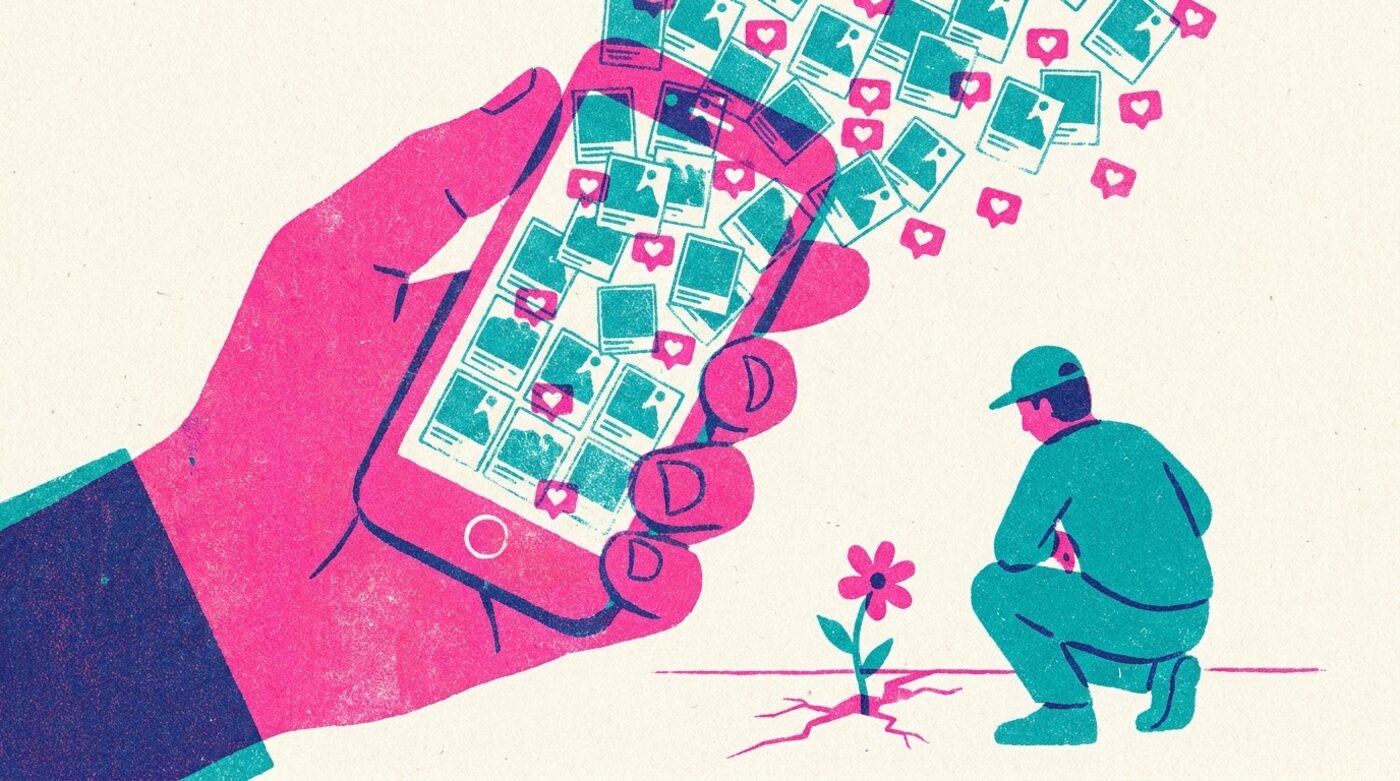
The industry's own numbers show it is not set up to measure trust. AiMCO's report found that only about a quarter of organisations have a dedicated creator budget. Most fund creators from brand budgets (63%) or PR and communications budgets (39%). Creators are mainly used for brand building (80%) and cultural relevance (76%), with performance and sales fifth at 51%.
Measurement relies heavily on the platforms and the creators themselves: 92% use platform analytics and 58% use reports supplied by creators. Asked what industry bodies should do first, 64% chose shared measurement standards, and seven in ten said a recognised certification framework would significantly lift confidence. Whitnall said AiMCO is relaunching its metrics and measurement committee and will repeat the study every year "so the sector gets a trend line rather than a snapshot".
Governance is also patchy. According to B&T, 58% of organisations have a formal policy for working with creators, and 29% have had a brand safety problem. Josh Faulks, chief executive of the Marketing Association of Australia, said the industry needs "shared measurement standards, stronger governance and transparent attribution".
Credibility over reach
On one point all the research agrees. "Consistent across all global markets is that credibility beats reach," Le Roy said of the IAB study, which spans Australia, the US, the UK, India and Mexico. Australians said they weigh the brand's reputation (86%) and the creator's own expertise (84%) before acting on a recommendation, ahead of how entertaining the content is (74%). In every market, everyday people sharing real experiences were trusted more than celebrities.
Backslash's answer is what it calls "concentrated credibility": growth measured by deep affinity, participation, real-world presence and "share of trust", not by scale alone. In the AiMCO survey, 58% of marketers named live events and experiences as where the next phase of creator marketing will happen, with product co-creation and community building each named by 45%.
Nobody is predicting an end to influencer budgets. "Influencers are still here to stay," Liley told Mi3. Her advice was for brands to add creators with "alternate perspectives" to the big-reach names they already use, not to drop those names.
What it means for creators
Expertise and a distinct point of view are becoming more valuable than follower counts. Creators who can show that their audience trusts them, through repeat engagement, comment quality or real-world turnout, will have a stronger pitch than those selling impressions alone. Clear disclosure costs relatively little, according to the IAB data, and hiding it risks far more with an audience this suspicious.
What it means for brands and agencies
A creator line in the brand budget, measured by platform dashboards, is a weak base for a A$1 billion channel. Brands should set up dedicated budgets, decide in advance how they will measure credibility and sales separately from reach, and be wary of buying volume from clipping farms or AI personas that audiences increasingly spot. Smaller, specialist and event-led work is where the industry's own surveys say the next gains are.
Why it matters: Australian creator spending is growing faster than almost any other digital channel, but the audience it is aimed at is openly sceptical. If brands keep scaling spend without building trust, they risk paying more each year for recommendations fewer people believe.