Three in four Americans now save holiday gift ideas from creators, Syracuse survey finds
Half of US adults bought on a creator's recommendation last season and 61% expect to this year, but 70% say creator deal posts are mostly advertising.
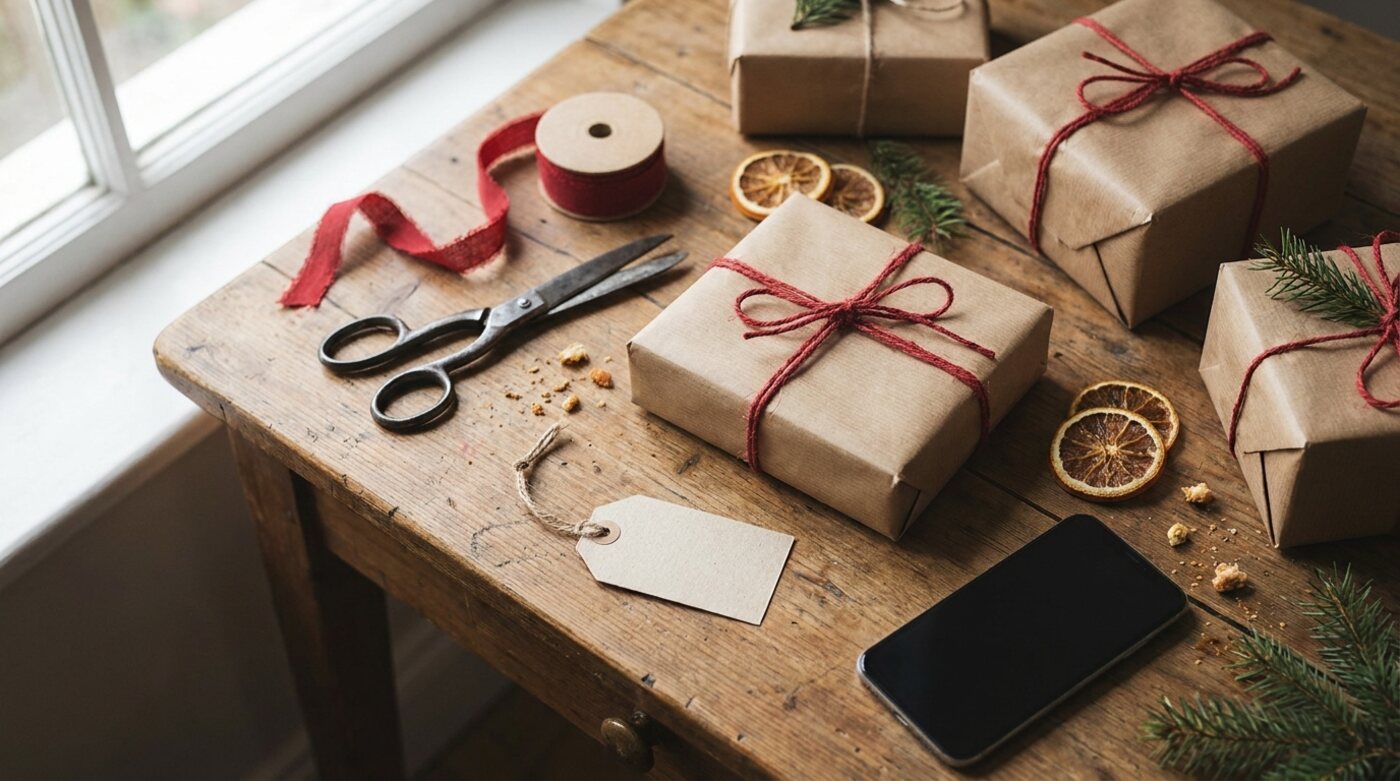
Three in four American adults now save gift ideas from creators, and half bought something a creator recommended last holiday season, according to a new survey from Syracuse University's Center for the Creator Economy.
The study, published on November 16, is the center's second monthly industry flash report. It is based on a survey of 988 US adults, fielded through the research platform Prolific on November 7 and 8, which the center describes as demographically representative.
The saved post is the new shopping list
The headline number is 77%: that is the share of US adults who say they save gift ideas from creators. Most of that saving is for other people. Some 65% save ideas for someone else, including 47% who save for both themselves and others.
Instagram is where most of those saved ideas sit (60%), just ahead of YouTube (59%) and TikTok (53%). Women and adults aged 18 to 44 were the most likely to save.
"Now, for most Americans, it starts with a saved post," said Ryan Schram, the center's executive director, comparing it with the store circulars and retailer emails that used to start the season.
From saving to buying
Half of respondents said they made at least one purchase on a creator's recommendation last holiday season. 37% bought on Black Friday and 26% on Cyber Monday.
This year, 61% say they are somewhat or very likely to buy a gift a creator recommended. Among people who did so last year, that rises to 85%.
The categories where creators carry most weight are beauty and personal care, clothing and accessories, electronics, and home and kitchen. Women were the most likely to say they would buy beauty products on a creator's word.
Shoppers know it's an ad, and buy anyway
The survey also shows audiences are not naive about what they are watching. 70% agree that creators' holiday deal promotions are "mostly just advertising". At the same time, 53% say creators help them find deals that are worth it.
Disclosure is a weak spot. 56% are very or extremely confident they can tell when a creator has been paid to promote a product. Only 45% feel that sure when the creator received the product free. Regulators say gifted product must be disclosed.
Creators also talk people out of purchases. 16% said a creator steered them away from a gift last season. Of those, 38% were pointed to a better-quality alternative, 25% to a cheaper one and 23% away from the product altogether.
On trust, creators sit roughly level with brands: 53% place moderate or higher trust in creators for gift ideas, against 55% for brands. Friends and family are well ahead, with 75% trusting them "very much" or "completely". Creators also beat celebrities and AI: 39% say they do not trust celebrities at all for gift ideas, and 24% say the same of AI.
"People are clear-eyed about it," Schram said. The lesson for brands and platforms, he said, is that "creators earn influence by being useful, even when the audience knows it's an ad."
What it means for creators
Usefulness pays. The audience already assumes a deal post is advertising, so the creators who stand out are the ones who compare products, flag better options and are willing to say "skip this". If you got the item free, say so plainly: many viewers can't tell.
What it means for brands and agencies
Holiday discovery is happening weeks before checkout, in saved folders on Instagram, YouTube and TikTok. Campaigns that start on Black Friday may be too late to get into those lists. With creators trusted about as much as brands, the extra value of a creator post comes from the honest comparison, not from more polish.
Why it matters: This is one of the first academic, nationally representative reads on creator-led holiday shopping this season. It suggests creator recommendations now shape how most Americans plan gifts, even though most shoppers know they are watching an ad.
Read more: YouTube's new shopping and brand-deal tools, the state of live shopping in 2026 and the IAB's push for creator measurement standards.