A quarter of Britain is disabled. A new talent agency wants brands to stop booking disabled creators one campaign at a time
Purple Goat's Antidote will manage disabled, neurodivergent and chronically ill creators. The pitch is less about representation and more about fixing a workflow that shuts them out.
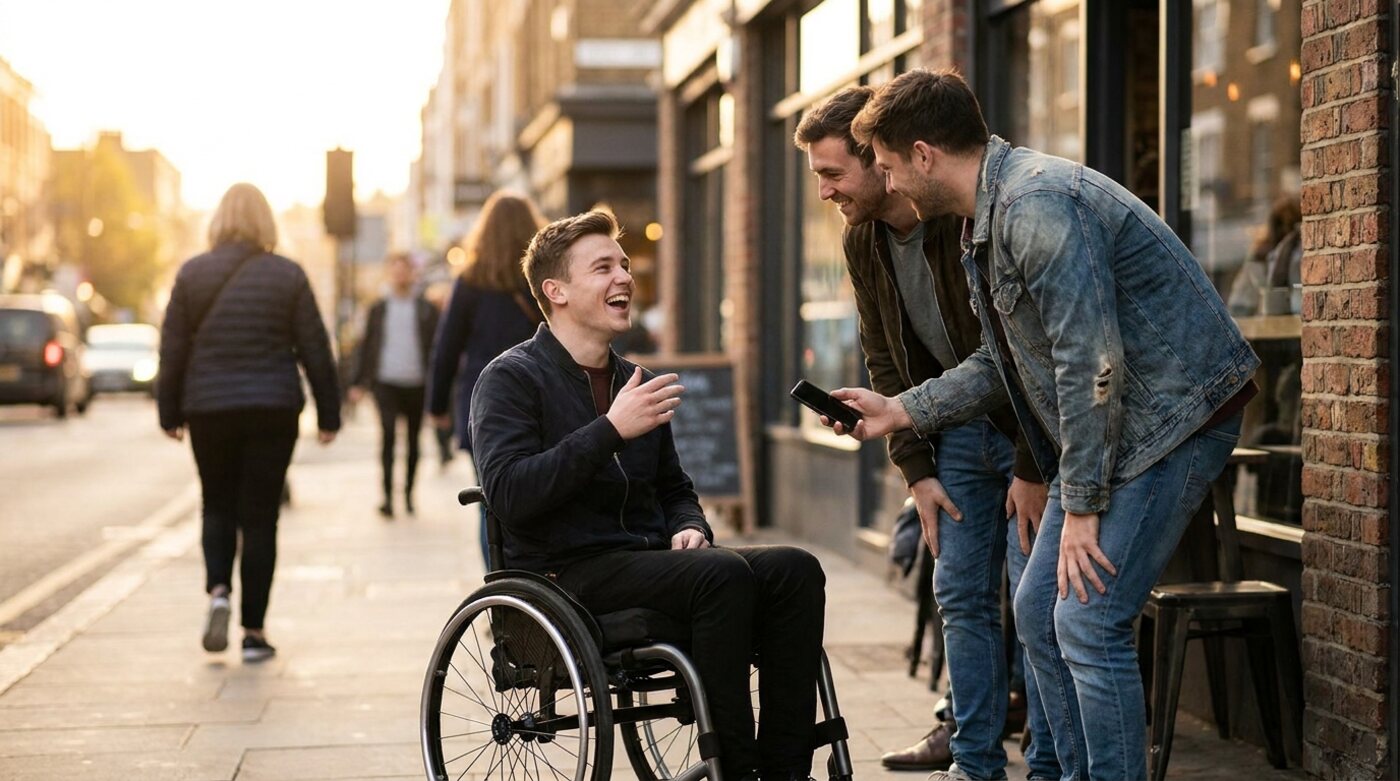
One in four people in the UK is disabled. Very few of the creators brands hire are. Last month a small team inside WPP Media decided to tackle that gap directly. Purple Goat, the disability-led influencer agency, launched Antidote, a sister talent agency that represents disabled, neurodivergent and chronically ill creators. Net Influencer reported the launch on October 21.
The launch itself is modest: Antidote has signed one creator so far. What makes it worth a closer look is the problem it is trying to solve. A disabled creator's career does not stall for lack of audience or talent. It stalls because the industry's standard workflow (fast briefs, long shoot days, quick turnarounds) assumes everyone works the same way.
From campaign casting to management
Purple Goat was founded in 2020 by Martyn Sibley to close the gap in disability representation in advertising, The Media Leader reported when the agency turned five. It began as a one-person operation and grew as a sub-brand of the influencer shop Goat, which is now part of WPP. In 2025 it won a Cannes Lions Grand Prix for its work with Channel 4 and a Silver Lion for Bupa.
Until now Purple Goat has cast disabled creators campaign by campaign. In a 2024 interview with Kolsquare, Sibley listed Meta, Unilever, Tesco, TUI and American Express among its clients and called disabled creators "a huge untapped niche for brands in all industries to grow their revenue and profit."
Antidote moves from casting to long-term representation. According to Net Influencer, it has its own brand, website and roster. It is run by two Purple Goat staff, campaign director Dani Roberts and senior campaign manager Tori Tyreman, who keep their existing roles. Its first and so far only signing is Cal Traquair, a sports-focused TikTok creator with cerebral palsy and more than 474,000 followers. "It's refreshing to have management that truly understands our lived experiences," Traquair said, as quoted by Net Influencer.
The real problem is the workflow
The most useful part of the launch is how frankly the founders describe the friction. Roberts told Net Influencer that disabled creators often have to argue for basic accommodations: shorter shoot days, slower turnarounds, and schedules that fit around carers. "The industry is very fast-paced, but that isn't always possible for disabled content creators," she said.
Tyreman said that having to negotiate those needs again on every deal is exhausting, and that an agent can raise an uncomfortable request so the creator doesn't have to. Antidote also plans to change how briefs are delivered, for example by walking a creator through a brief on a video call rather than sending a dense PDF.
None of this is exotic. It is the ordinary work of a talent manager, adjusted for a group of creators the standard process has not been designed around. That is why a management agency could matter more than another inclusive campaign.
Not just "disability content"
The second argument is about where brands put disabled creators. "Some of the most incredible creators I see on TikTok and Instagram every day aren't talking about disability at all," Roberts told Net Influencer. Tyreman said disabled creators should be in the running for beauty, fashion and sport briefs, not booked only for disability-themed work or awareness days.
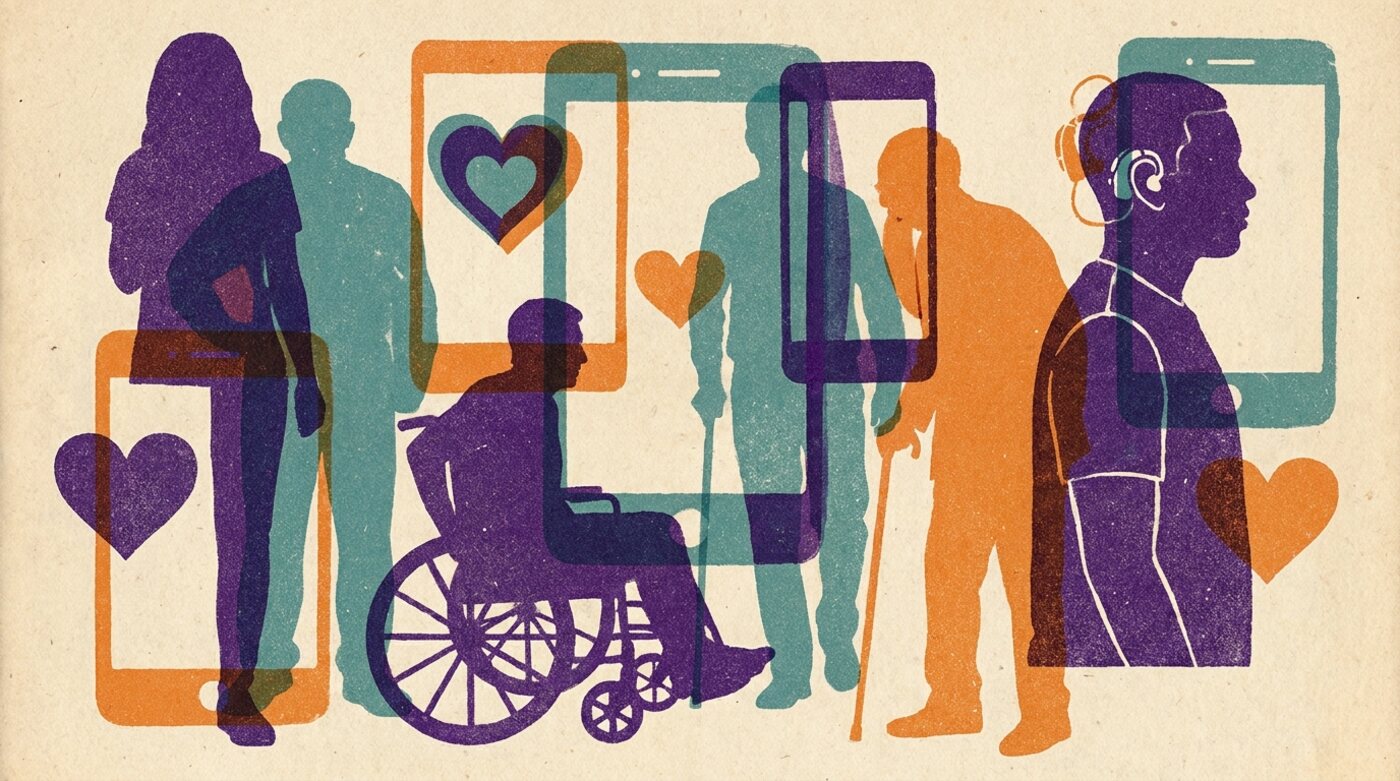
The audience is large. The UK government's latest Family Resources Survey, published in March 2026, counts 16.7 million disabled people in the UK, or 25% of the population. Advertising is far behind. The Media Leader cites the World Health Organization estimate that 16% of people worldwide live with a significant disability, against just 1% of ads that feature disabled people.
The commercial case is also building. Net Influencer points to 2024 research from the UN-convened Unstereotype Alliance, which associated inclusive advertising with a 3.46% uplift in short-term sales and a 16.26% uplift in longer-term sales. That is one study and correlation rather than proof, but it is the kind of number marketing directors can take into a budget meeting.
Why now
UK creator budgets are growing fast. Research for IAB UK forecasts that creator partnership spend will pass £1 billion for the first time this year, reaching about £1.2 billion, up 26% on 2025. As budgets grow, brands are moving from one-off posts to longer programmes and ambassador deals. Those deals reward creators who have management, a rate card and someone handling contracts. Disabled creators without that support risk being left with the one-off awareness-day post while others get the year-long deals.
A specialist agency also creates its own tension. Representation by a WPP-backed agency puts disabled talent close to some of the world's biggest ad budgets, but it also means a holding company is managing talent it may cast for its own clients. That conflict exists across the industry as creator agencies and media groups merge, and Antidote will need clear rules on it as its roster grows. Roberts said the agency is "starting small and working with very specific creators in the beginning."
What it means for creators
If you are a disabled or neurodivergent creator, management that builds your access needs into contracts from the start, instead of you renegotiating them on every deal, is worth asking about, whether through Antidote or any other agency. Put your working requirements in writing. Pitch for briefs in your actual niche, not only disability-themed ones.
What it means for brands and agencies
Check your own production process before you check your casting. Fixed one-day shoots, 48-hour turnarounds and long written briefs quietly filter out talent. Build flexibility into timelines and fees from the start, and book disabled creators for mainstream campaigns, not only for Purple Tuesday or the Paralympics.
Why it matters: A quarter of the UK is disabled, yet disabled creators are still mostly booked one campaign at a time. Antidote is a small bet that proper management, built around how disabled creators actually work, can turn them into long-term commercial talent. If it works, other agencies will copy it, and brands will run out of reasons to say they couldn't find anyone.