Britain will ban children from social media. It still lets parents put them to work on it.
From spring 2027 a 15-year-old will not be allowed a TikTok account. A six-year-old can still be the star of a monetised family channel with no licence, no hours limit and no legal claim to a penny. That is backwards, and Westminster should fix it before the ban arrives.
In June, Keir Starmer promised a social media ban for under-16s that would go "further than any country in the world", DLA Piper reported. The aim, the government said, was to preserve childhood.
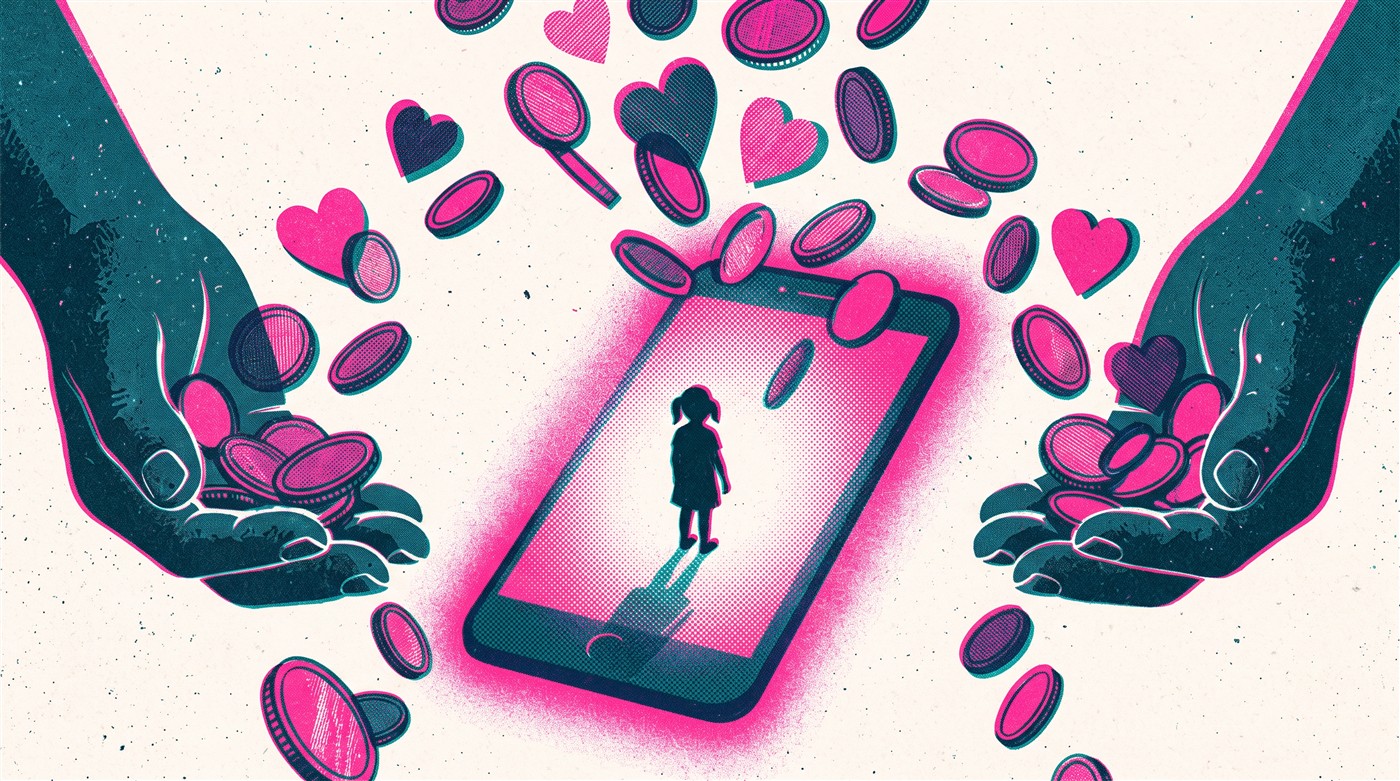
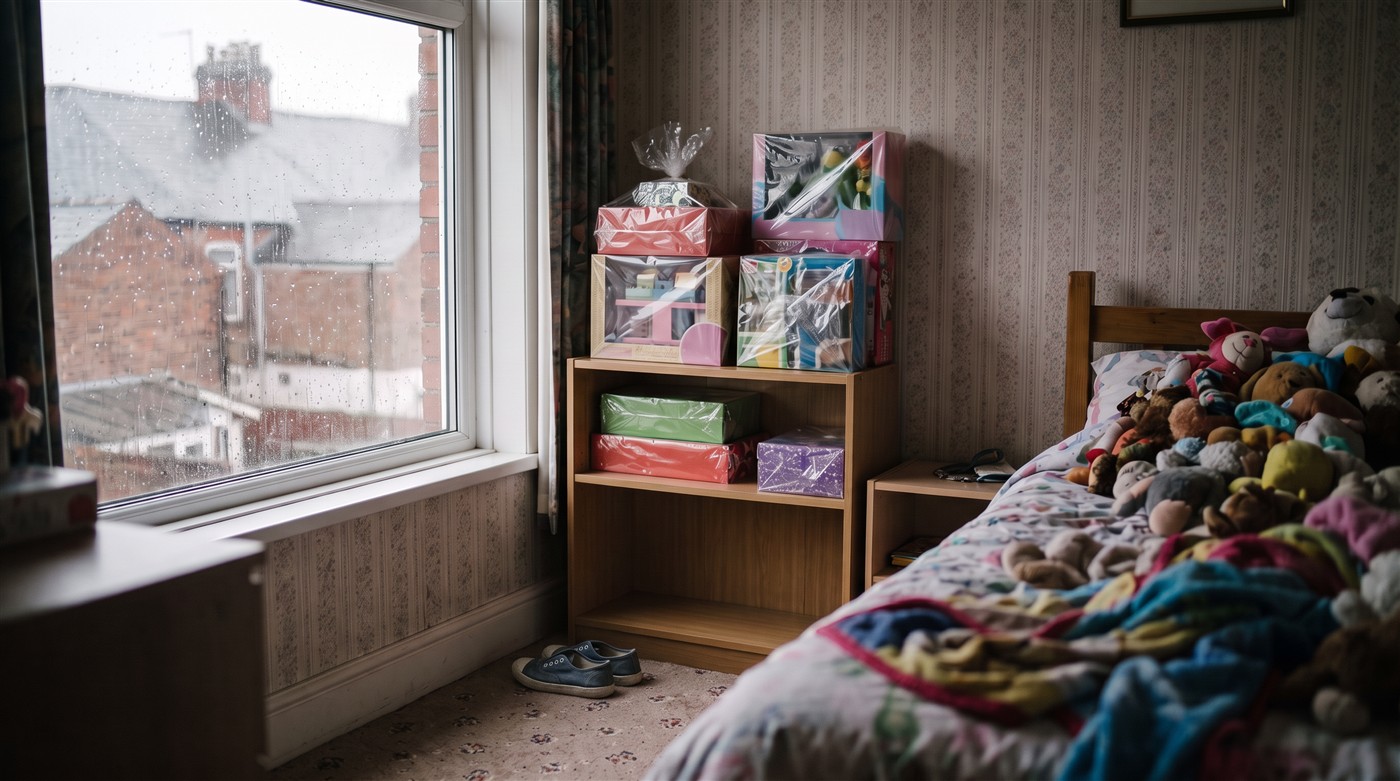
Here is the problem. The ban protects children as an audience. It does almost nothing for children as the product. Under the plans, a 15-year-old will be locked out of TikTok and Instagram. A six-year-old can still be the face of a monetised family channel, filmed most days, with gifted toys piling up in the bedroom and sponsorship money flowing into a parent's account. No licence. No limit on hours. No legal right to any of the money.
That is not a loophole. It is the wrong way round. If Britain thinks social media is too risky for a teenager to scroll, it cannot keep pretending it is fine for a toddler to be monetised on it.
What the ban actually does
The legal plumbing is already in place. The Children's Wellbeing and Schools Act 2026, which received Royal Assent on April 29, gives ministers the power to set the ban by regulation, according to DLA Piper's summary. Ofcom was asked to report by the end of October on what counts as effective age checks for over-16s, and the regulations are due before Parliament by the end of this year, with the ban expected to bite around spring 2027, Orrick's analysis says.
The scope is broad: mainstream platforms built on user posts and algorithmic feeds. The government also plans to block "harmful functions" such as livestreaming for under-16s, and to apply those limits by default to 16 and 17-year-olds too.
Read that last part again. Ministers think livestreaming is risky enough to switch off by default on a 17-year-old's own account. Yet nothing in the published plans stops a parent livestreaming a seven-year-old's unboxing to thousands of strangers from the parent's account. The child is not the user. The child is the content.
Parliament saw this coming four years ago
None of this is new. In May 2022 the Commons culture committee's report on influencer culture, Lights, Camera, Inaction?, called protecting child influencers its most urgent priority. It found that the UK's child performance and labour rules do not cover user-generated content, so a child who works on a parent's YouTube channel has none of the protections a child actor gets. It asked for rules on working hours, conditions and earnings, as the Society for Computers and Law summarised.
The government's reply that September conceded there was a "regulatory gap when it comes to protecting child influencers", and said the Department for Education was "open to exploring" legislative options, Osborne Clarke reported. Four years and one change of government later, we could find no bill that closes that gap. Westminster has managed to legislate a ban on teenagers' accounts in that time. It has not managed a single rule for the children who are paid to appear on them.
France already solved most of this
Britain does not need to invent anything. France passed a law on the commercial use of children's images online in October 2020, and it has been in force since April 2021. Under it, parents need authorisation before a child under 16 works on monetised video, part of the child's earnings must be paid into a blocked account at the state-backed Caisse des Dépôts until they come of age, and the child can ask platforms to take the videos down without a parent's permission, according to the European Commission's Better Internet for Kids summary of the law (full text on Légifrance).
American states have moved too. Illinois became the first to set aside child influencers' earnings in 2023, and California has been debating a right for adults to have childhood content removed, which we covered here. Britain, which likes to claim it leads the world on online safety, is behind France, behind Illinois, and behind its own MPs' advice from 2022.
What Britain should do
We would go further than France. Our position is simple:
- Licence it. Any child under 16 who appears regularly in monetised content should need the same local-authority licence a child actor needs, with limits on hours.
- Lock the money. A fixed share of income from content built around a child, including the cash value of gifted products, should go into a trust the child controls at 18.
- Give children the delete button. At 16, a young person should be able to have monetised videos of themselves removed, with or without a parent's agreement.
- Make brands check. Advertisers that pay for posts featuring a child should have to confirm the child is licensed, just as they would for a TV advert. That puts the duty where the money is.
- Use the ban's own timetable. The under-16 regulations are coming to Parliament anyway. Ministers should table these rules alongside them, not in another four years.
The fair objections
Family creators will say this treats every parent as an exploiter. Most are not. Plenty of family channels are careful, and some are a household's main income. Rules will add paperwork and cost, and the line between a family filming a holiday and a family running a media business is genuinely hard to draw.
But we already draw that line for child actors, models and children in TV adverts, and the industry survives. A licence and a savings account are not a ban. They are the minimum we expect anywhere else a child earns money for adults. And the families who already do the right thing will lose nothing.
There is a commercial argument too. Brands are increasingly nervous about content that looks like child labour, and the under-16 ban will make UK audiences and regulators more alert to it, not less. Clear rules protect the honest family channel from being lumped in with the worst.
What it means for creators
If you run a family channel, assume rules are coming, here or in Europe. Start now: keep records of what your children's content earns, put a share into savings in their name, limit filming time, and ask your children, once they are old enough, what they are happy to have online. That is good practice whether or not the law catches up.
What it means for brands and agencies
Do not wait for Westminster. Add child-safety checks to briefs that involve under-16s: who is on camera, for how long, and whether the family has a plan for the child's earnings. Brands that can show they asked will be in a far better position when the rules, and the headlines, arrive.
Why it matters: Britain is about to spend serious political capital keeping children off social media. Unless it also protects the children who are paid to appear on it, the ban will shield the viewers and leave the youngest performers in the creator economy with nothing.
Related: Australia's under-16 ban heads to the High Court and Hidden ads are consumer fraud. Fine the influencers who post them.
This is the view of The Collab Report's editorial board. Disagree? Tell us, and we may publish the best responses.