"They have no clue who I am": Djerf Avenue tries to become a creator brand that doesn't need its creator
After a workplace scandal, halved revenue and three chief executives in 18 months, the Swedish label is running campaigns without Matilda Djerf and selling to New Yorkers who have never seen her feed.
Matilda Djerf built one of Europe's best-known creator fashion labels by being its face. Now the Swedish creator says many of the people walking into Djerf Avenue's first shop do not recognise her, and she sounds pleased about it.
"They have no clue who I am," Djerf said of shoppers at the brand's new store in New York, speaking on The Inside Edit podcast, posted to YouTube on November 9 and reported by Net Influencer. When a host suggested the brand had outgrown its founder, she agreed.
That is a deliberate shift for a company that grew out of one woman's Instagram feed. It also comes after the hardest year in the brand's short history. For any creator who has launched, or is thinking of launching, a product business, Djerf Avenue is now a live test of a question the industry keeps asking: can a creator brand survive without its creator at the centre?
From Instagram feed to New York shop
Djerf began posting about her travels around 2016. With her partner, Rasmus Johansson, she launched Djerf Avenue as a direct-to-consumer website in 2019, starting with nine everyday clothing items, according to Inside Retail. She has 2.6 million Instagram followers.
The label has since added home goods, skincare and haircare. In the early days, Net Influencer reported, the two founders packed orders, answered customer service and shot the product photos themselves, funded by Djerf's modelling work and her own Instagram brand deals.
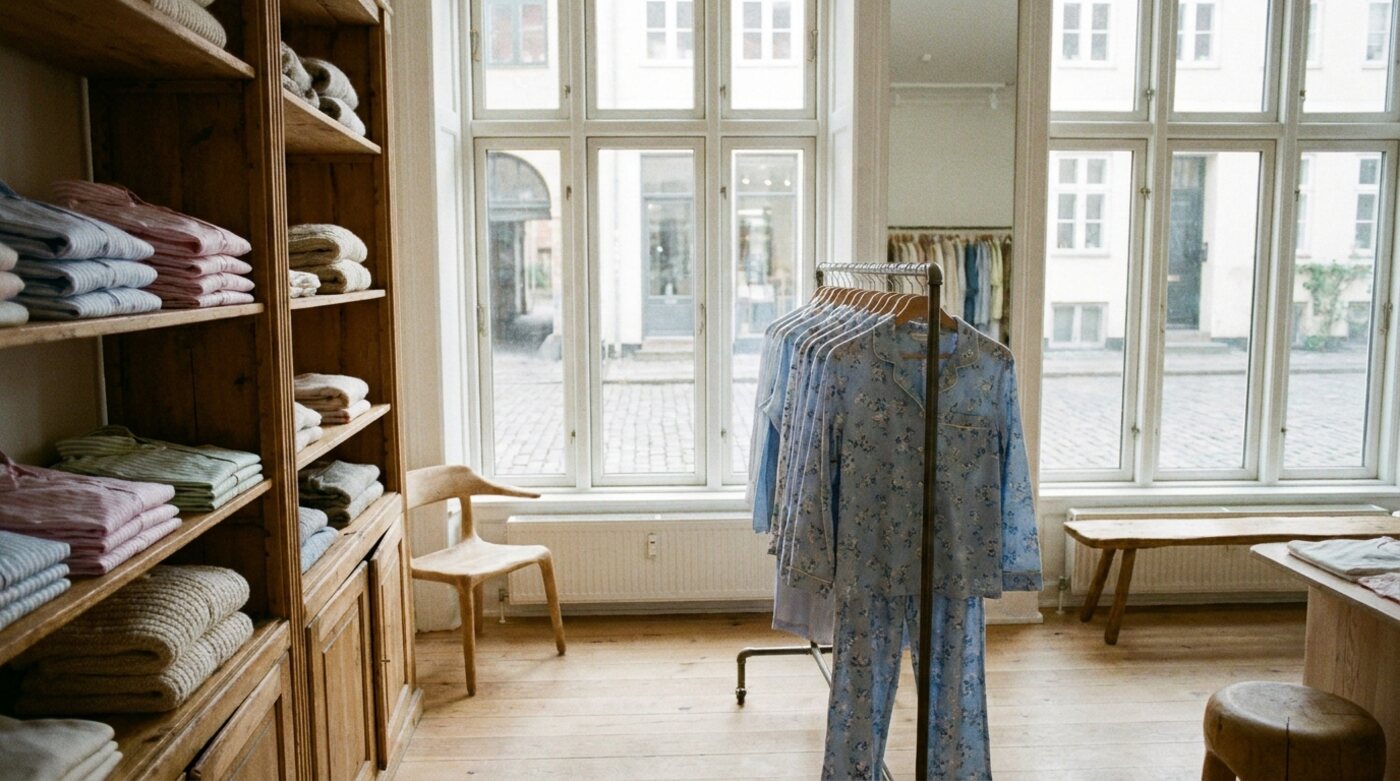
On October 3, Djerf Avenue opened its first permanent store, at 25 Bond Street in Manhattan's NoHo, after years of pop-ups. It chose New York over Stockholm because "the US is our biggest market, and it basically has been since the start," Djerf told Inside Retail, which reported that the US makes up more than half of the business. The brand says it will use customer feedback and shopping data over the next year to choose the location of its next permanent store.
A hard year in the numbers
The New York opening followed a sharp contraction at home. In December 2024, the Swedish newspaper Aftonbladet published a report on the company's workplace culture, and Djerf publicly apologised.
The 2025 figures that followed were stark. According to preliminary accounts first reported by Di Digital and carried by the news agency TT, turnover roughly halved in 2025 to about 175 million Swedish kronor, and the company posted a loss of about 55 million kronor. Net Influencer, citing Metro Mode, put 2024 revenue at about 344 million kronor and said 2025 was the company's first loss in six years. TT reported cost savings of almost 50 million kronor, and Net Influencer said headcount fell from 42 roles to 17.
The leadership has changed too. Johansson, the co-founder, ran the company as chief executive for years. Nanna Hedlund was brought in as an external chief executive in April 2025 and left on February 1, 2026, TT reported. Johanna Axén, who joined about four years ago to build the beauty line, took over as chief executive in August. Net Influencer counts three chief executives in 18 months.
What "less founder" looks like in practice
Djerf described three changes in the podcast interview.
Campaigns without her. "There's so many campaigns that we do when I'm not front-facing," she said. She added that longtime customers still like seeing the founder in the picture, so she is not disappearing.
A professional manager in charge. "Now we have another, we have Johanna, our CEO," Djerf said. The founders are no longer running day-to-day operations from the office in Sweden.
Designing for the customer, not the founder's wardrobe. Net Influencer reported that the team asks of each product whether customers will actually wear it, rather than designing to Djerf's own taste. The label does not, for example, make the tight dresses she wears herself.
The store is part of the same move. A physical shop in Manhattan brings in people who have never seen Djerf's feed. For them, the brand has to work on its own: the fabric, the fit, the price and the room.
Followers are not customers
Djerf has been unusually frank about the limits of an audience. "Having a community doesn't translate into paying customers," she said on The Bossticks podcast in October, as reported by Net Influencer. "To have a customer come back throughout the years, you have to be so on top of every single detail within your company."
The origin story makes the same point from the other side. Djerf has said the brand began after a collaboration with a Swedish retailer sold out: "I saw that I was bringing so much to the table, but they were taking such a big cut." Owning the brand meant keeping the margin. It also meant carrying the risk when the founder's personal reputation took a hit.
Djerf is not planning to vanish. "I think it's natural that I am front-facing and our customers know me," she said. The aim seems to be a brand that can carry her, rather than one that only works when she is in the frame.
What we don't know yet
Djerf Avenue has not disclosed sales from the New York store or from its October collaboration with the American beauty brand The Skinny Confidential. Net Influencer noted that the 2026 annual accounts will be the first to include both. Those figures will show whether the new approach is working or whether the brand has simply become smaller.
What it means for creators
Founder dependence cuts both ways. Your face is the cheapest marketing a new brand will ever get, but it ties the business's value to your reputation, your energy and your ability to post. Djerf Avenue's experience suggests building the separation early: campaigns that work without you, products designed for customers rather than for your own wardrobe, and a management team that can run the company if you step back or stumble.
It also suggests that an audience is a head start, not a business. Repeat customers come from product quality and service, not from follower counts.
What it means for brands and investors
When you assess a creator-founded label, look past the follower numbers. Ask how much revenue arrives through the founder's own posts, who actually runs operations, and whether the product sells to people who have never heard of the founder. A shop where shoppers "have no clue" who the founder is may be a better sign of a durable brand than a sold-out drop announced on the founder's own account.
Why it matters: Creator-led brands are often valued on the strength of one personality, and that is also their biggest risk. Djerf Avenue's revenue halved after a crisis centred on its founder. Its response, with an outside chief executive, campaigns without the founder and a New York shop aimed at strangers, is a blueprint other European creator brands will be watching. The 2026 accounts will show whether it worked.