Google, Meta and TikTok sue California to stop its ban on teen feeds and autoplay
AB 1709 would bar personalised feeds and autoplay for under-16s from January 1, with fines of up to $50,000 per affected user. For creators with young audiences, it would change how teens find them.
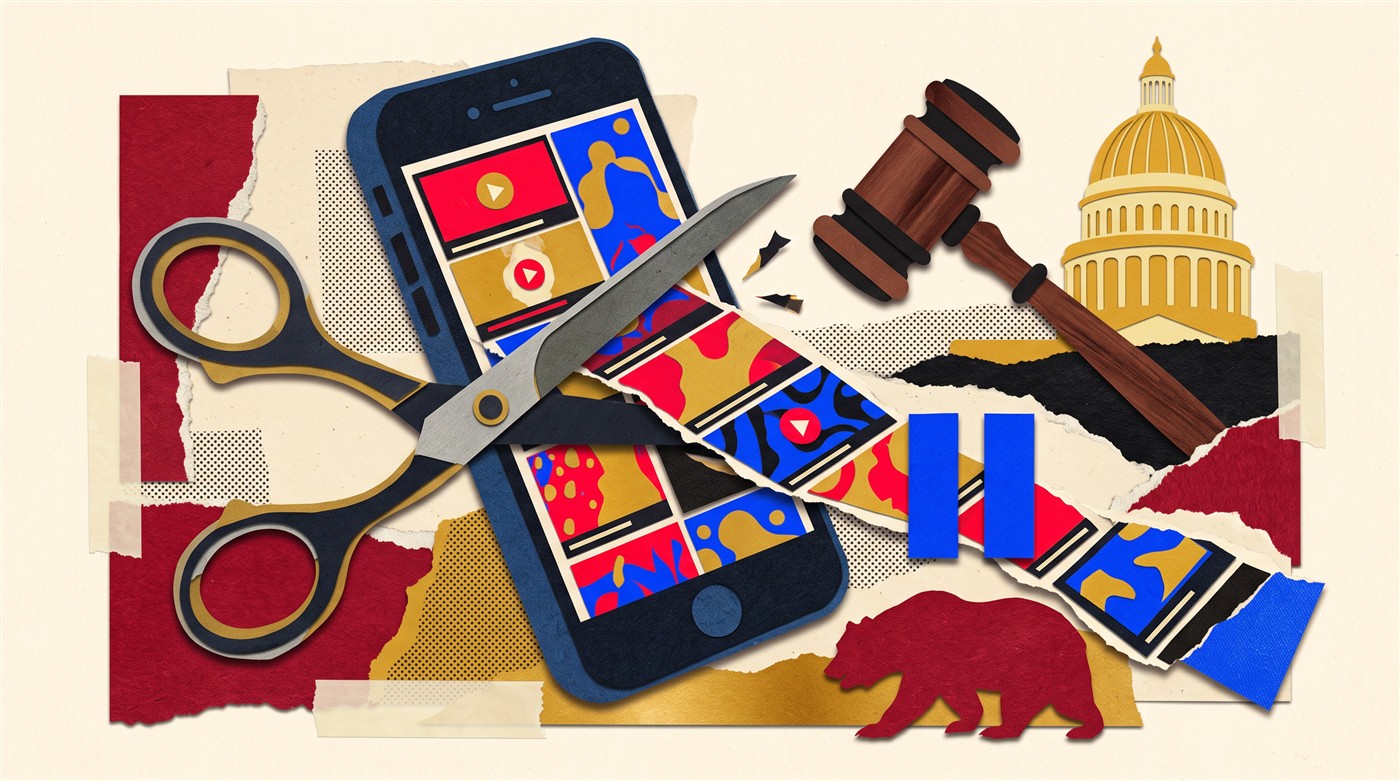
Google, Meta and TikTok each sued California on Wednesday to block AB 1709, a new state law that would stop social platforms from showing personalised feeds and autoplay videos to users under 16. The suits were filed separately in federal courts in San Francisco, San Jose and Los Angeles, the Associated Press and TechCrunch reported.
Governor Gavin Newsom signed the law in September. Unless a court blocks it, it takes effect on January 1, 2027.
What the law does
- Platforms may not offer personalised, algorithmic feeds, infinite scroll or autoplay to users under 16.
- They must take "reasonable measures" to verify users' ages.
- Under-16 accounts that don't turn those features off must be deleted, according to TechCrunch.
- Platforms that don't comply face fines of up to $50,000 per affected user under 16.
What the companies say
All three argue the law breaks the First Amendment and is overridden by Section 230 of the Communications Decency Act. Each suit names California Attorney General Rob Bonta as the defendant.
TikTok called AB 1709 "a blatantly unconstitutional restriction on free expression." Meta said the state cannot override its editorial choices about how to curate and display posts, and that the law would make it "unlawful for Meta to disseminate speech to minors altogether." Google spokesman José Castañeda said: "Overly broad laws like this actually break the systems we've built." Google also pointed out that autoplay is already off by default for minors on YouTube.
Bonta's office said it was reviewing the filings and was committed to "defending California's commonsense laws to protect kids online."
Digital rights groups have concerns of their own. Rindala Alajaji of the Electronic Frontier Foundation told TechCrunch the law "compels platforms to collect even more information from every user," because age checks require more personal data from adults as well as teens.
The bigger picture
The same three companies are already fighting a 2024 California law on addictive feeds in court. In August, Meta agreed to pay up to $18 billion to settle child-safety claims brought by U.S. states, and in September TikTok settled with Alabama over addictive features, AP reported.
Outside the US, governments have gone further. Australia's ban on social media accounts for under-16s took effect in December 2025, and the Australian government defended it this week against a High Court challenge from Reddit. France passed a similar law, but its top court struck it down over free-expression concerns. In Europe, the Digital Fairness Act due next week is expected to tackle addictive design too.
What it means for creators
If AB 1709 survives, California teens would see a chronological or follow-based feed instead of an algorithmic one, and videos would stop playing automatically. Discovery for creators whose audiences skew under 16, such as gaming, kids' entertainment, comedy and teen lifestyle, would fall sharply in the state, since most new viewers find creators through recommended feeds. Followers would matter more than virality.
California is also unlikely to be the last. Creators who rely on young audiences should start building direct channels now: subscriptions, newsletters, community spaces, and getting viewers to follow rather than just watch.
What it means for brands and agencies
Campaigns aimed at Gen Alpha and young Gen Z buy reach that runs mostly through recommendation feeds. If those feeds switch off for under-16s in the largest US state, expect less predictable reach, more pressure on platforms to prove audience ages, and more scrutiny of any brand marketing to minors through creators.
What to watch next
Watch whether the courts grant a preliminary injunction before January 1. Similar laws in other states have often been paused while legal challenges play out.
Why it matters: The algorithmic feed is how creators get discovered. California is trying to switch it off for under-16s, and the biggest platforms are betting the courts will stop it.