Brussels wants to let you switch off autoplay. Creators should cheer, not lobby against it
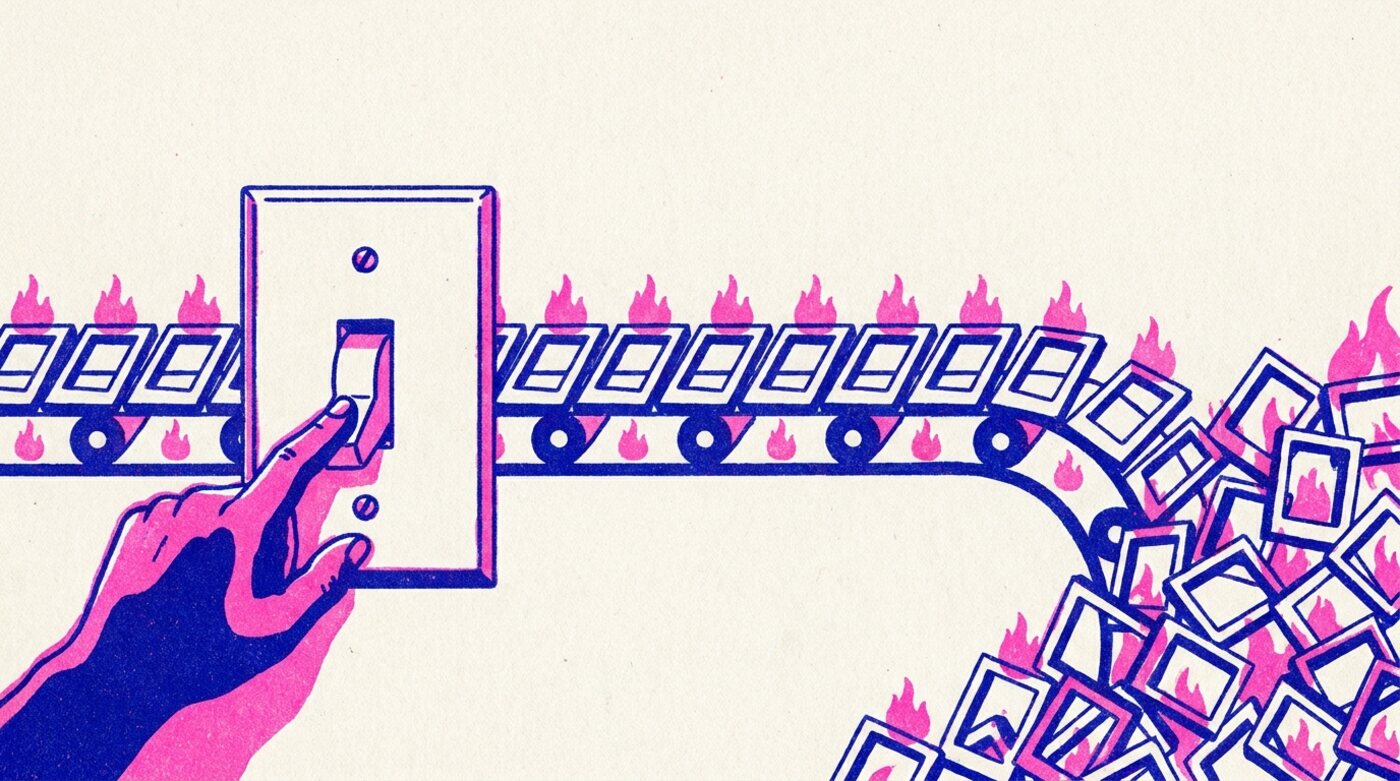
The EU Digital Fairness Act, presented on November 11, would give every user the right to turn off autoplay, streaks and unrelated notifications. That machinery serves platforms, not creators, and the creator economy will be stronger without it.
Updated November 11, 2026: The European Commission presented the Digital Fairness Act on November 11. The published proposal keeps the switch-off right for autoplay, unrelated notifications, streaks and relationship-simulating features described in the leaked draft, and this piece now reflects the official text.
On Wednesday, November 11, the European Commission presented its Digital Fairness Act. Euronews first reported the draft, and the published proposal keeps the line that should worry every platform and please most creators: every user in the EU would get the right to switch off autoplay, unrelated notifications, streak-style rewards and features that simulate personal relationships, such as chatbots that keep prompting people to carry on.
Expect some creators to hear that as a threat to their reach. They should cheer it instead. The machinery Brussels wants to make optional was built to keep people on the platform, not to send them to you. A creator economy that only works when viewers can't stop scrolling is a weak business.
What the proposal says
According to the Commission, the proposal would ban manipulative designs such as fake low-stock warnings and pre-ticked add-ons. It would end drip pricing and misleading price comparisons, require a simple way to cancel online subscriptions, and stop free trials turning into paid ones without active confirmation. Paid loot boxes and pay-to-win mechanics would be banned for minors, and the Digital Services Act's ban on advertising based on profiling minors would be extended from the big platforms to all websites and apps.
Two parts matter most for creators. The first is the switch-off right. The second is a first for EU consumer law: AI shopping agents that buy on a consumer's behalf would have to disclose any payment they receive for suggesting a deal. The proposal would replace a 2005 directive with a regulation that applies directly in all 27 member states. In large cross-border cases the Commission itself could fine companies up to 6% of worldwide annual turnover. It also sets new rules for influencer marketing, which we cover here.
A caveat matters here. This is a proposal, not a law. The European Parliament and member states now have to agree it, and both will change it. Under the published text, it would apply 12 months after it comes into force.
Autoplay works for the platform, not for you
Autoplay and streaks are not creator tools. They are retention tools. Autoplay decides what a viewer sees next, and that is rarely another video from the creator they chose to watch. A streak rewards opening an app every day, not caring about any one person on it. Notifications that have nothing to do with what a user follows exist to bring them back to the feed, where the platform sells the ads.
Brussels already treats this as a problem. Under the Digital Services Act the Commission has issued preliminary findings against TikTok over addictive design, and last week it said TikTok's For You feed should stop ranking videos on watch time, as we reported. Preliminary findings are not final decisions. But the direction is clear, and the Digital Fairness Act would extend the same thinking well beyond the largest platforms.
For a creator, an audience that arrives by autoplay is rented. It came because the feed put you there, and it leaves when the feed moves on. An audience that searches for you, subscribes, turns on your notifications on purpose or pays you directly is owned. A switch-off right won't touch the second kind. It will thin out the first.
Who actually loses
The losers are easy to name as a category: accounts that win on volume rather than loyalty. Content farms, recycled clips, AI-generated filler and engagement bait all live on autoplay. They rely on the viewer not choosing. If even a slice of Europe's users opts out, a few more minutes of attention go back to the people they deliberately follow.
The same logic applies to the AI shopping agent rule. Creators who earn from affiliate links already have to label their ads. It would be absurd if an AI agent could push paid products without a label while a creator who does the same in a video faces fines. The proposal closes that gap, and honest affiliate creators should welcome it.

The fair objections
There are real arguments on the other side. Reach is income, and some creators, especially smaller ones still building an audience, do get discovered through autoplay. If many users switch it off, discovery could get harder before it gets better.
There is also the question of how much one law should do. Germany's government, in a non-paper dated October 14 and reported by Agence Europe via Euronews, said the case for turning the old directive into a regulation "has not yet been sufficiently demonstrated", and argued for amending existing laws instead. The Commission's own impact assessment, according to Euronews, puts recurring costs to business at €678 million a year, against consumer savings of €88.4 billion between 2025 and 2035. Tech Times reports that business groups have called for a "pause and reset".
These are serious points, but they are arguments about how to do this well, not reasons to leave the feed as it is. Making autoplay optional is not a ban. Nobody loses the feature. They get the right to say no to it.
What it means for creators
Treat the proposal as a deadline to build direct relationships. Push subscriptions, newsletters, community spaces and series people return to on purpose. Watch your analytics for how much of your EU viewing comes from autoplay and recommended feeds. That is the share that could fall if users opt out.
What it means for brands and agencies
Stop buying creators on raw views alone. Views propped up by autoplay will be worth less in a Europe where users can turn it off. Ask for returning-viewer, subscriber and search data instead. If you run AI shopping or recommendation tools, prepare to label sponsored suggestions.
Why it matters: The Digital Fairness Act could be the first EU law that lets ordinary users switch off the features that keep them scrolling. Platforms will lobby hard against it. Creators should not join them, because the attention economy Brussels is targeting was never built for them.
Related: Europe is about to decide what an influencer is. Creators are not in the room.
This is the view of The Collab Report's editorial board. Disagree? Tell us, and we may publish the best responses.