Influencers should stop asking small businesses for freebies. Exposure is not payment
Britain's ad rules and the taxman already treat a free cake for a post as a paid deal. Creators should price it, label it and invoice for it, and small businesses should feel free to say no.
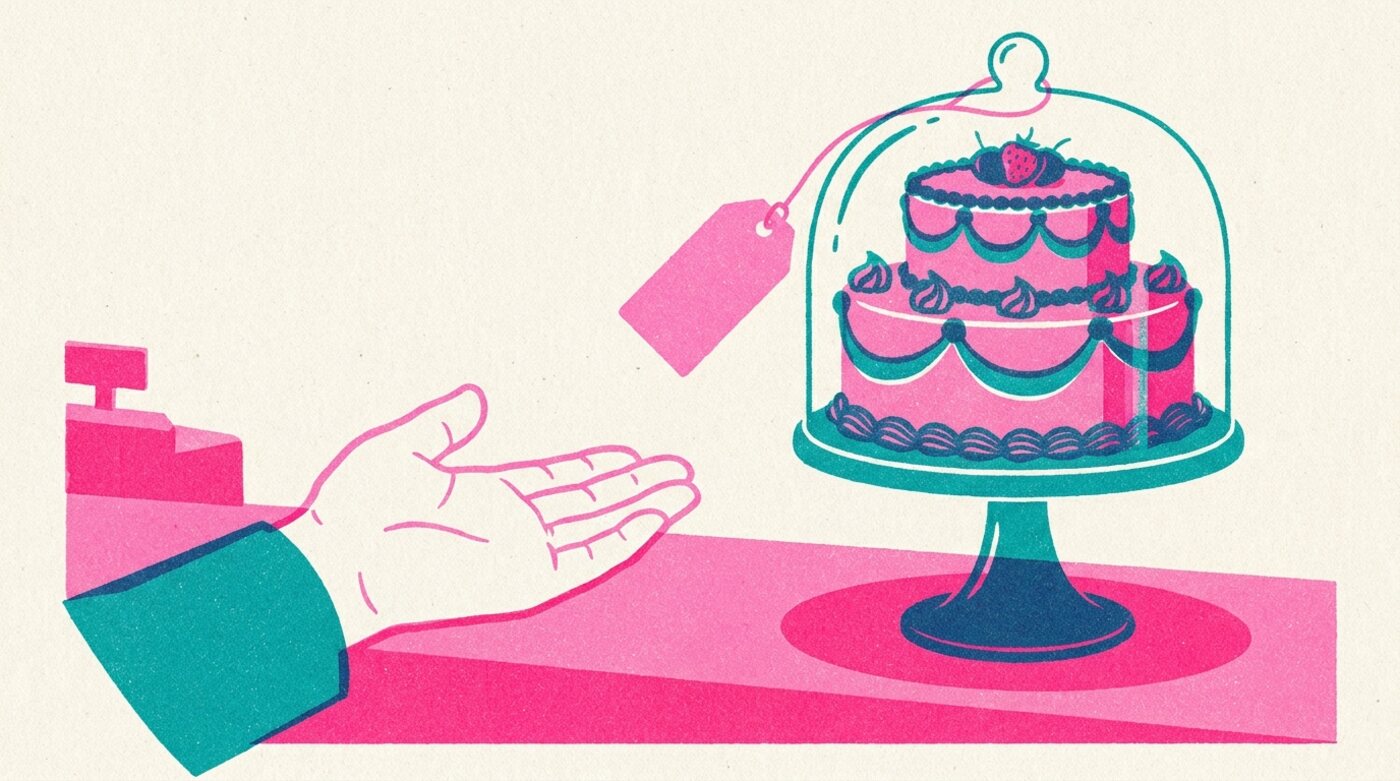
A cake for a three-year-old's birthday party. A £300 restaurant bill that took nine months to settle. Up to ten messages a month asking a one-woman balloon business in Essex for something for nothing. These are some of the stories small business owners told the Guardian this week, in a report on how they are fighting back against influencers who ask for freebies.
Our view is simple. The freebie request, the "collab" that means "give me your product and I'll post about it", should die out. Creators who want a free cake, meal or hotel night in exchange for a post are asking for a payment. They should call it that, price it honestly and label it. Small businesses should feel free to say no without being called rude, petty or anti-creator.
A post is not a favour
The trouble with the freebie is that everyone pretends it is something it isn't. The creator frames it as a favour: exposure for a struggling shop. The business often feels it is being asked to make a donation. In law and in tax, it is neither. It is a trade.
Britain's advertising rules already see it that way. Updated influencer guidance from the Advertising Standards Authority, the Committee of Advertising Practice and the Competition and Markets Authority (CMA) keeps the broad meaning of payment, including gifted products and trips, law firm Lewis Silkin said in a note on 23 October. If a creator is given something in return for coverage, it is advertising, and it has to be labelled clearly and upfront. The CMA can now impose financial penalties for breaches of consumer law, without going to court first.
The taxman agrees. Accountancy firm RSM says HM Revenue and Customs has started looking at the businesses that hand out gifts, not just the influencers who receive them. HMRC treats goods-for-posts arrangements as barter, even without a contract, and values them at the normal retail price. RSM says HMRC has issued VAT assessments in some cases and contacted dozens of UK retailers. Australia's tax office has taken a similar line with creators, telling them that gifts are income.
So the "free" cake is not free for anyone. It may carry a VAT bill for the baker, an income tax bill for the creator, and an advertising disclosure duty for both. Calling it a collab does not change that.
The fightback is a symptom
The Guardian's report shows what happens when the pretence breaks down. Reshmi Bennett, who founded the cake company Anges de Sucre, publicly called out a request from a reality TV star for a free birthday cake; the star's representative said it was a standard inquiry offering social media exposure in exchange. Hubert Zanier, who owns the Austrian restaurant Kipferl in London, said an influencer with 100,000 followers ran up a £300 bill in 2024 and took nine months to pay. "A lot of restaurants are struggling," he told the Guardian. Anastasia Powers, who runs Poptastic Balloon Company in Essex, said she declines every freebie request. "Collaborations don't pay for my petrol, my lights, my stock," she said.
In the United States, the owner of a cafe in Lenoir, North Carolina, posted CCTV footage to rebut an influencer's claim that she had been turned away. The video passed 640,000 views, and the influencer deleted her review and apologised, the Guardian reported.
Some creators see a pile-on in all this, and they have a point. Shaming a stranger online is cheap content too, and the Guardian cited a study finding that negative posts attract twice as much engagement as positive ones. Small businesses that post screenshots of polite, if cheeky, requests are playing the same attention game they say they dislike. One Canadian creator told the paper that the criticism has shifted from the industry to the women who work in it.
But the anger is real because the deal is lopsided. A creator with a few thousand followers loses nothing by asking. A cake business with four staff loses ingredients, hours and, sometimes, the nerve to refuse.
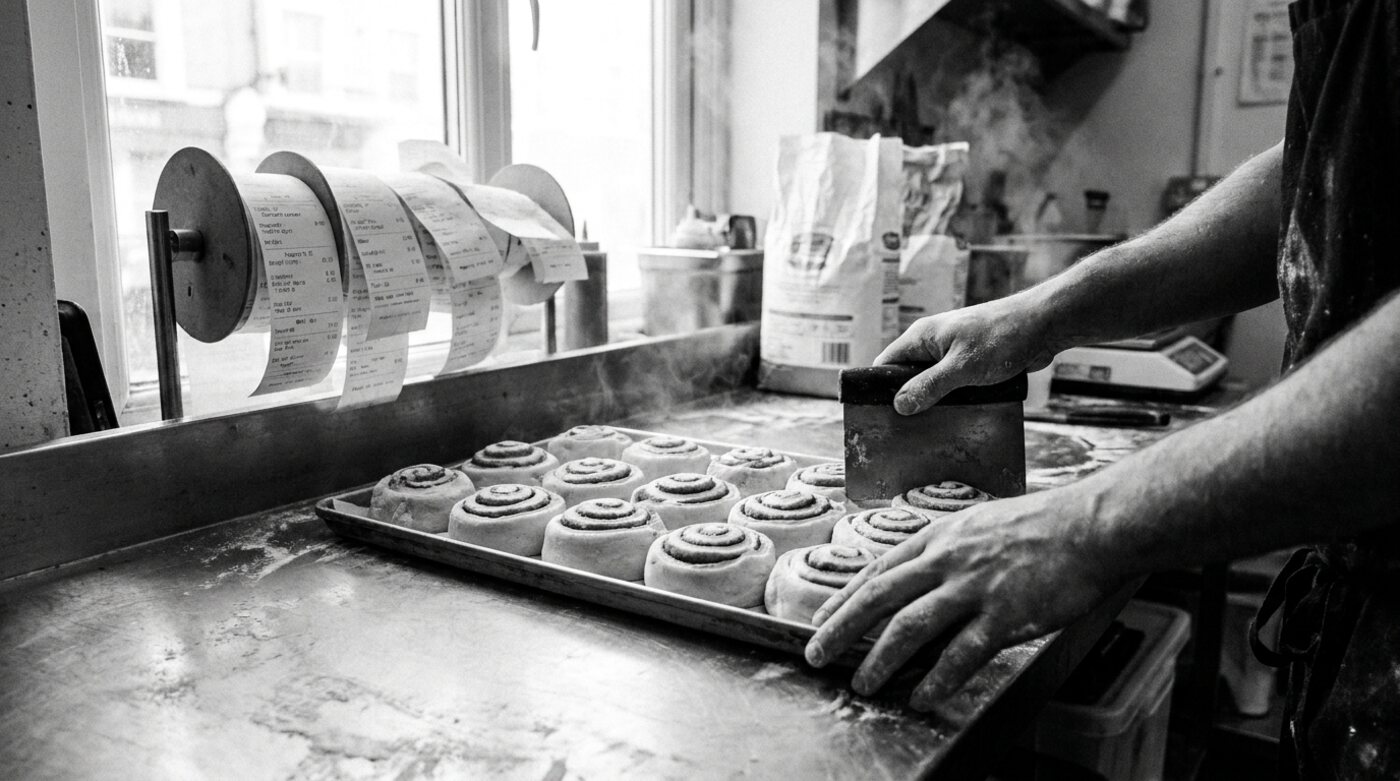
Paid, priced and labelled
None of this means creators are bad for small businesses. They are often very good for them. Lucy Herron, founder of the British shoe brand Sloafer, told the Guardian that creators can help you "sell 50 pairs of shoes in 24 hours". David Maffei, who runs Halfsies Cookie Company in New York alone, said one post from a model with half a million followers led to months of sold-out orders. Those are the deals that work: an audience that matches the product, and a result the business can measure.
That is exactly why the freebie should go. Professional creators send a rate card, a media kit and a contract. They say what they will post, when, and how it will be labelled. Josh Wheeler, founder of the PR agency Be Broadcast, gave the Guardian the same advice: get agreed terms in writing. If the creator's audience is worth something, they can name a price. If it isn't, the business is right to decline.
Brands and agencies should take note too. Big companies built the gifting culture with unsolicited PR boxes. They should be the first to put every gift-for-content arrangement on paper, with the tax and the ad label sorted before anything ships.
What it means for creators
Stop sending "collab" DMs that offer exposure for free products. Send a rate, a plan and a commitment to label the post as an ad. That is more professional, it keeps you on the right side of the CMA and HMRC, and it means the businesses you approach will take you seriously.
What it means for small businesses and brands
You can say no. If you say yes, treat it as advertising: agree terms in writing, check what you owe in VAT, and make sure the post is clearly labelled. Posting someone's request online might feel satisfying, but a polite refusal costs less.
Why it matters: The creator economy wants to be treated as a real industry. Real industries invoice. Until creators stop asking corner shops to pay them in cake, the "influencers behaving badly" story will keep writing itself.
Read more: why Britain should fine influencers who hide ads.
This is the view of The Collab Report's editorial board. Disagree? Tell us, and we may publish the best responses.