Casino money is turning into a legal liability for creators. Australia, Greece and Sweden show how
Formal warnings to former AFL stars, criminal complaints against 18 Greek influencers and a Swedish prison sentence: regulators are now going after the people with the followings, not just the offshore casinos. And from January, Australian creators lose legal betting deals too.
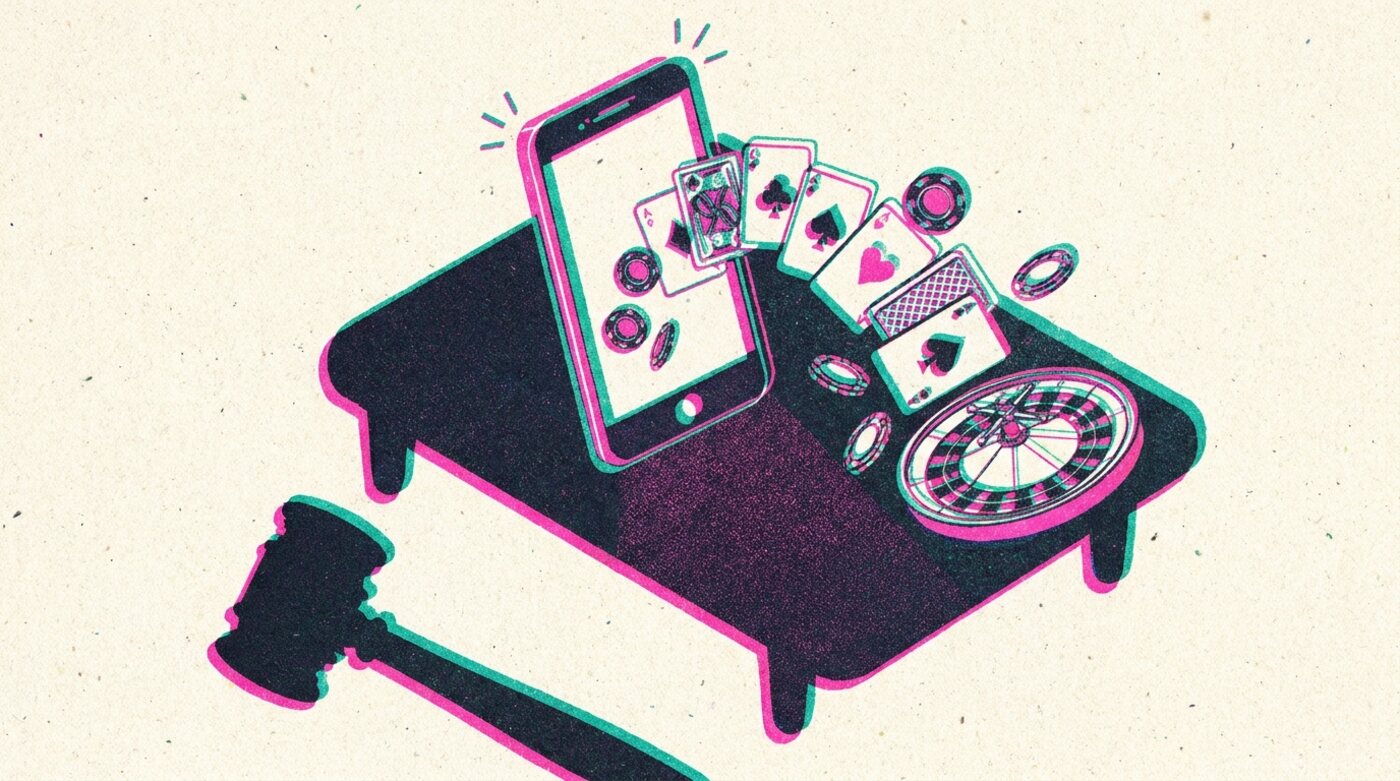
For years, promoting an offshore casino was one of the easiest paid deals a creator could get. The casino supplied the money to play with, the affiliate network paid for every viewer who signed up, and the risk seemed to fall on someone else.
That is changing fast. In the past five months, regulators in Australia, Greece and Sweden have moved from warning letters to named enforcement against the people with the followings. A creator who takes these deals is now treated less like a channel the content passes through and more like the advertiser.
Australia: "all influencers are now on notice"
On October 22 the Australian Communications and Media Authority (ACMA) formally warned two former AFL players, Mitch Robinson and Rhys Mathieson, over posts promoting Vegastars, an offshore online casino. ACMA had already asked internet providers to block Vegastars in January.
According to Gambling.com's report of the decision, both men now work as online creators. The posts ran between March and April 2026, on Instagram and, in Robinson's case, his YouTube podcast, and showed the casino's name, logo, web address and gameplay footage. Both stopped working with Vegastars and took the material down. ACMA member Carolyn Lidgerwood said "all influencers are now on notice."
There was no fine this time, but the law allows one. Individuals who promote an illegal gambling service face civil penalties of up to A$65,520 per contravention, Gambling.com reported. Anyone who facilitates access, for example by posting links, faces up to A$2.73 million.
It was not the first case. In July ACMA warned mixed martial arts fighter Jamie Mullarkey for promoting an illegal online gambling site, which it described as its first enforcement action against an influencer under the online gambling rules.
A second change matters even more for creators' income. From January 1, 2027, under new wagering advertising rules, licensed Australian betting companies will no longer be allowed to use current or former athletes, social media influencers or other well-known people to promote their services. Gambling.com notes this is separate from the ban on promoting illegal sites. In practice, Australian creators will lose the legal betting deals as well as the illegal ones.
Greece: criminal complaints against 18 creators
Greece has gone further. In June the head of the Hellenic Gaming Commission, Antonis Bartholomew, said the regulator had filed criminal complaints against 18 influencers and streamers for promoting unlicensed gambling, Proto Thema reported. The five biggest accounts had between 337,000 and 623,000 followers each, and the paper put the group's combined audience at more than 3 million. Bartholomew warned that many of those who saw the promotions were minors.
Under Greek law, promoting unlicensed operators can bring fines of €5,000 to €50,000 per confirmed violation. Bartholomew put Greece's illegal gambling turnover at about €2 billion in 2025, with roughly 900,000 people taking part.
In October the issue went up to cabinet level. Finance minister Kyriakos Pierrakakis, speaking at the gaming commission, said popularity gives no one immunity and "the internet is not a jungle", Greek Reporter said. The 18 cases are at the preliminary investigation stage, so none of the creators has been charged or convicted.
Sweden: a prison sentence, and a move to Kick
Sweden's gambling regulator, Spelinspektionen, published a report on how unlicensed gambling is marketed this summer. It found that influencers are still a main way offshore casinos reach Swedish players, especially young ones. They use affiliate links, bonus codes and giveaways on Twitch, Kick, TikTok, Instagram, Snapchat, X and Telegram.
Two findings stand out. First, after Twitch banned a number of unlicensed sites, Kick became the alternative for the streamers who were removed. Second, the report noted a March 2026 conviction, reported by iGaming Business as a 22-month prison sentence for economic crimes linked to promoting unlicensed gambling, and described as the first sentence of its kind in Sweden.
Why the money was so good
A February investigation by Investigate Europe explains why so many creators said yes. It found streamers in at least seven European countries, among them Italy, Spain, Portugal, Greece, Poland, Germany and Sweden, sending followers to dozens of unlicensed casinos.
The deals it documented paid per sign-up: €80 for an Italian player, €120 for a Norwegian one, €64 for a Polish one. Some schemes advertised a share of up to 60% of what referred players lost. Streamers often played with "non-withdrawable" funds supplied by the casino, so the big wins viewers saw cost the streamer nothing. A former affiliate told the reporters that "streamers are just good actors."
Platforms say they are acting. YouTube told Investigate Europe its policies ban content that sends viewers to unapproved gambling sites and it removed channels and videos. Twitch said safety was its "highest priority." The European Commission said it was "actively supervising compliance" with the Digital Services Act.
What it means for creators
The legal risk has moved onto you. In Australia it is a civil penalty, in Greece a criminal complaint, and in Sweden it has already meant prison. "I was only paid to play" is not a defence anywhere the operator is unlicensed. Before accepting any gambling, sweepstakes, skins or crypto-casino deal, check that the operator is licensed in each market where your audience lives, not just where the company is registered. If you have a large audience aged under 18, the answer should almost always be no.
Australian creators also need to plan for January. Even fully licensed betting brands will be barred from using influencers in their wagering ads, so any retainer that runs past December 31 needs reviewing now.
What it means for brands and agencies
Agencies and talent managers that broker these deals are exposed too. Australia's much larger penalty for facilitating access, and the affiliate payment trails Investigate Europe uncovered, point the same way: regulators are following the money through the middle of the chain. Licensed operators in Europe have an interest in reporting rivals who use creators, and several regulators are now watching streaming platforms directly.
Why it matters: Offshore casinos built a large part of their marketing on creators, because creators were cheap, persuasive and seemed hard to reach legally. Australia, Greece and Sweden have now shown they can reach them by name, and Australia is about to shut influencers out of legal betting ads too. For creators, gambling money is turning from easy income into a legal liability.
Related: Hidden ads are consumer fraud. It's time to fine the influencers who post them and Belgium wants France's influencer law. Europe's creator rulebook is becoming a patchwork.