Japan's hidden-ad crackdown is catching brands, not influencers. Here is what they did wrong
Three orders from Japan's Consumer Affairs Agency since June, against a supplement maker, a South Korean photo app and a bedding brand, show where influencer marketing breaks the law: brands turning sponsored posts into "customer voices" on their own sales pages.
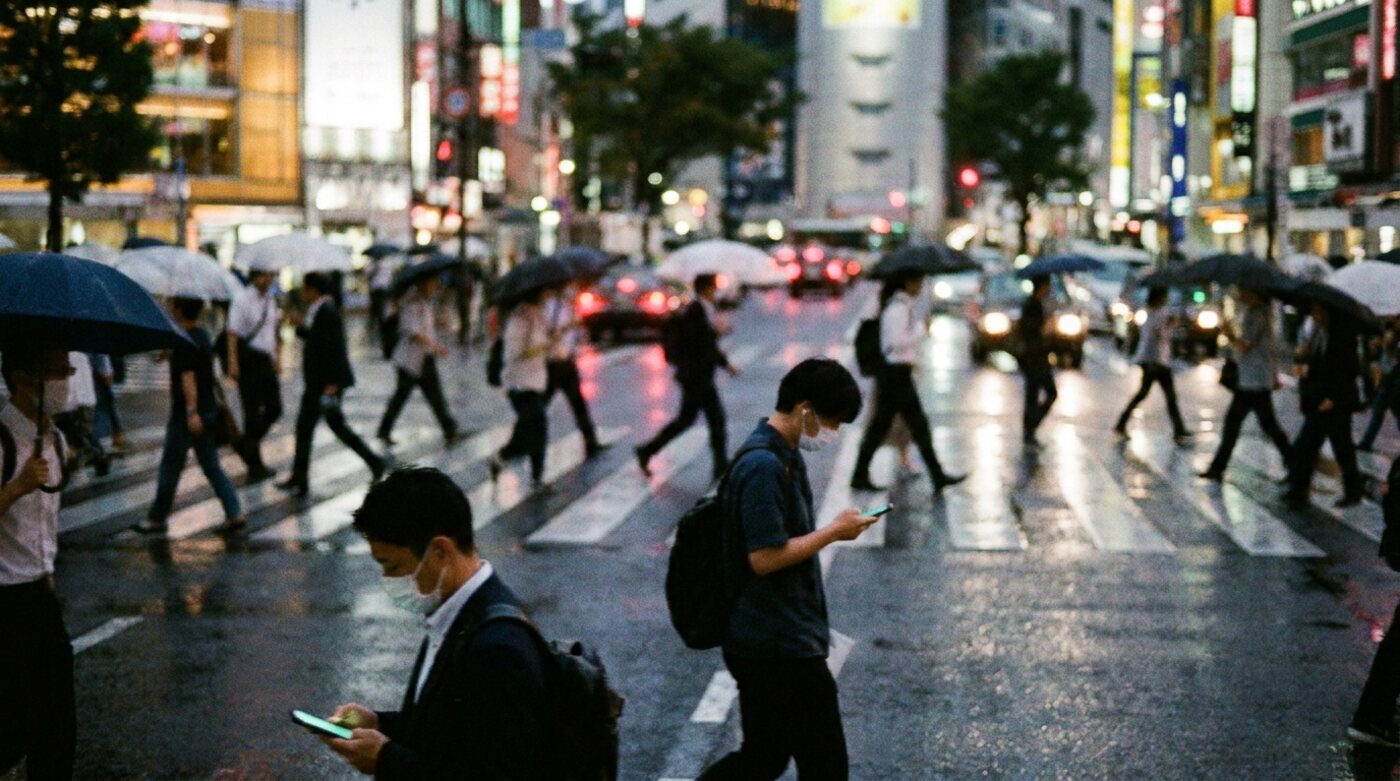
When regulators talk about hidden influencer advertising, the picture is usually a creator who forgets to type "#ad". Japan's consumer regulator has spent 2026 pursuing something else. Its three stealth-marketing orders since June are mostly about what brands did with creators' posts after they went up: taking them off the creator's feed and presenting them as independent praise.
The orders hit a supplement maker in Kobe, a South Korean photo app and a Tokyo bedding brand. Read together, the Consumer Affairs Agency's documents point to a risky habit most brands aren't checking for.
A law that targets the advertiser
Japan's rule is unusual. Since October 1, 2023, undisclosed advertising has counted as a misleading representation under the Act against Unjustifiable Premiums and Misleading Representations, the country's main advertising law. The agency calls it the stealth marketing notice. Its test is simple: if ordinary consumers can't tell that a post is really a company's advertising, the post breaks the law.
The person who breaks it is the advertiser. In its published questions and answers, the agency says the rule applies to the business that decides what a post says. Influencers who post at a brand's request are generally outside it, unless they also supply the product themselves. Brands, not creators, receive the orders.
A breach leads to a "measures order", not a fine. The company must stop, tell consumers publicly that its advertising was misleading, put prevention measures in place and not do it again. The agency names the company on its website. Its Q&A says stealth marketing on its own does not trigger the administrative surcharge Japan uses for false advertising, but a surcharge can apply when the same advertising also makes misleading claims about quality or price.
Case one: "Hugely popular on social media too!"
On June 29 the agency issued an order against Takamitsu Pharmaceutical, a Kobe company that sells Nobirun and Nobirun C, food products marketed for children in their growth years. The investigation was carried out with the regional office of the Japan Fair Trade Commission.
According to the order, the company recruited people to promote the two products, sent them the products free and asked them to post about it on social media. It then cut images out of those posts and used them on its official website under the line "Hugely popular on social media too!", next to an illustration resembling Instagram's icon. The order also lists its Rakuten Ichiba and Yahoo! Shopping storefronts, during several periods in 2025.
The agency's finding was about the company's own sales pages, not the original posts. It found that the material there was the company's advertising and did not show that the company had asked for the posts.
Case two: a Korean app and the AI anime trend
The August 6 order is the one that most resembles a classic influencer campaign, and it reached across a border. It names two companies: Snow Corporation, registered in Seongnam in South Korea's Gyeonggi province, and its Tokyo subsidiary, SNOW Japan. Both supply SNOW, the camera and photo-editing app.
The order says the Korean parent left decisions about Japanese advertising to SNOW Japan, and that SNOW Japan asked people to post on X in exchange for payment, following its instructions. The posts were not labelled as requested by the company. The agency held both companies responsible.
The examples in the order show how the campaign rode a trend. From April 2025, as AI-generated anime-style portraits spread across social media, posters shared cartoon versions of themselves, their children and their dogs, made with SNOW. Several said the app was quicker than ChatGPT. Several were written as parents, saying the effect let them share family photos without showing their children's faces. The order lists dozens of posts, and many of them were still visible in June 2026, more than a year after they went up.
Here the ads were the posts themselves, on the posters' own accounts. They became the companies' problem because the companies had paid for and directed them.
Case three: the futon dryer and the "User's Voice" box
On October 20 the agency issued an order against giobai, a Shibuya company that sells FLEURISTE, a bedding dryer with scented cartridges. The order covers two breaches.
The first concerns product claims. Giobai's website said the device heated bedding to 50 degrees, the temperature at which dust mites die, and that its aroma ingredients repelled mites. The agency asked for evidence under the law's substantiation rule. It found that what the company sent did not reasonably support the claims.
The second repeats the Takamitsu pattern. The order says giobai gave the product free, paid people to post about it on Instagram, then put excerpts on its own site from July 2024 under a "User's Voice" heading that also called it hugely popular on social media. One example quoted in the order has a poster saying they had stopped airing their futons and that the device was stylish and made housework easier.
Because this order also involves misleading quality claims, it is the kind of case where the agency's Q&A says a surcharge can follow. The agency has not announced one.
The pattern brands should notice
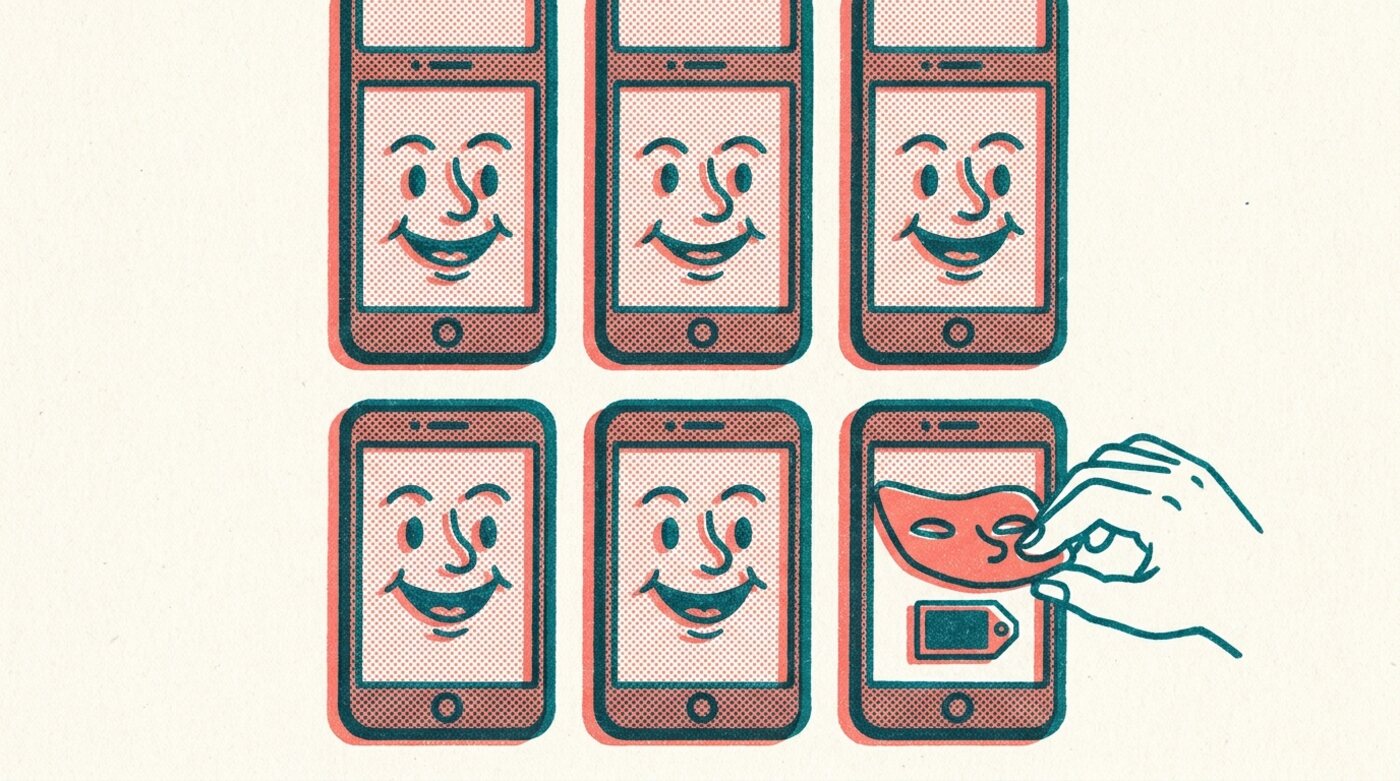
Two of the three orders involve the same move: a brand takes a creator's content, removes the context and presents it as customer opinion on its own sales pages. The agency's Q&A warns about this directly. If a company shows paid or requested influencer posts as "customer voices", it must make clear that it asked for them, even if the original post was labelled.
That gap is easy to miss. Most compliance checks happen at the creator end. The reused version of the same content often goes through a different team, such as e-commerce or marketplaces, and the label is lost on the way.
The Q&A covers the other common failures too. It lists "advertisement", "promotion" and "PR" as clear wording. It says a disclosure hidden in a reply thread may not be clear enough. For video, a label shown only at the start can be missed by people who join later, so it recommends keeping the label on screen. And posts made before October 2023 can still be in scope if they remain visible without a label.
How Japan compares
Japan's choice to make the advertiser responsible is starting to look less like an outlier. The European Commission's Digital Fairness Act proposal, published on Wednesday, would require paid posts to be labelled and would make brands and agencies that use creators responsible for making sure they comply. That includes gifting campaigns with no contract. Unlike Japan, the European proposal would also put obligations on creators themselves.
The SNOW case shows the other point for international brands. The agency did not stop at the Japanese subsidiary that ran the campaign. It also named the Korean parent, because it had handed over decisions on the advertising. Running Japanese campaigns through a local office or agency does not keep the parent company out of the order.
What it means for creators
Japanese law puts the formal liability on the brand, but the cost doesn't stay there. The SNOW posts are now quoted in a government document. Creators should keep labelling paid and gifted posts clearly, in Japanese, at the start of the caption. They should also ask in their contracts how a brand plans to reuse their content. If a post is going to appear on a product page, the label should go with it.
What it means for brands and agencies
Audit every place creator content appears, not just the creator's feed. That includes product pages, marketplace storefronts on Rakuten, Yahoo! Shopping and Amazon, review widgets and retargeting ads. Anything you asked for, gifted or paid for needs a visible label wherever it is shown, and "customer voice" sections should hold only real customer reviews. For foreign brands entering Japan, check who signs off on local campaigns. The agency has shown it will name the parent company too.
Why it matters: Japan's regulator is not mainly chasing creators who forget a hashtag. It is catching brands that turn sponsored posts into fake customer praise on their own sales pages. As Europe moves towards making brands answer for creator disclosure as well, the safest assumption for any global marketer is that the label has to travel with the content, wherever the brand reuses it.