Korea's streaming market after Twitch: viewers stay, tips shrink and brands pay the bills
Nearly three years after Twitch left South Korea, SOOP's donation revenue has fallen for four straight quarters while advertising grows, and Naver is spending heavily on sports rights for CHZZK. What the world's clearest post-Twitch market tells creators and brands.
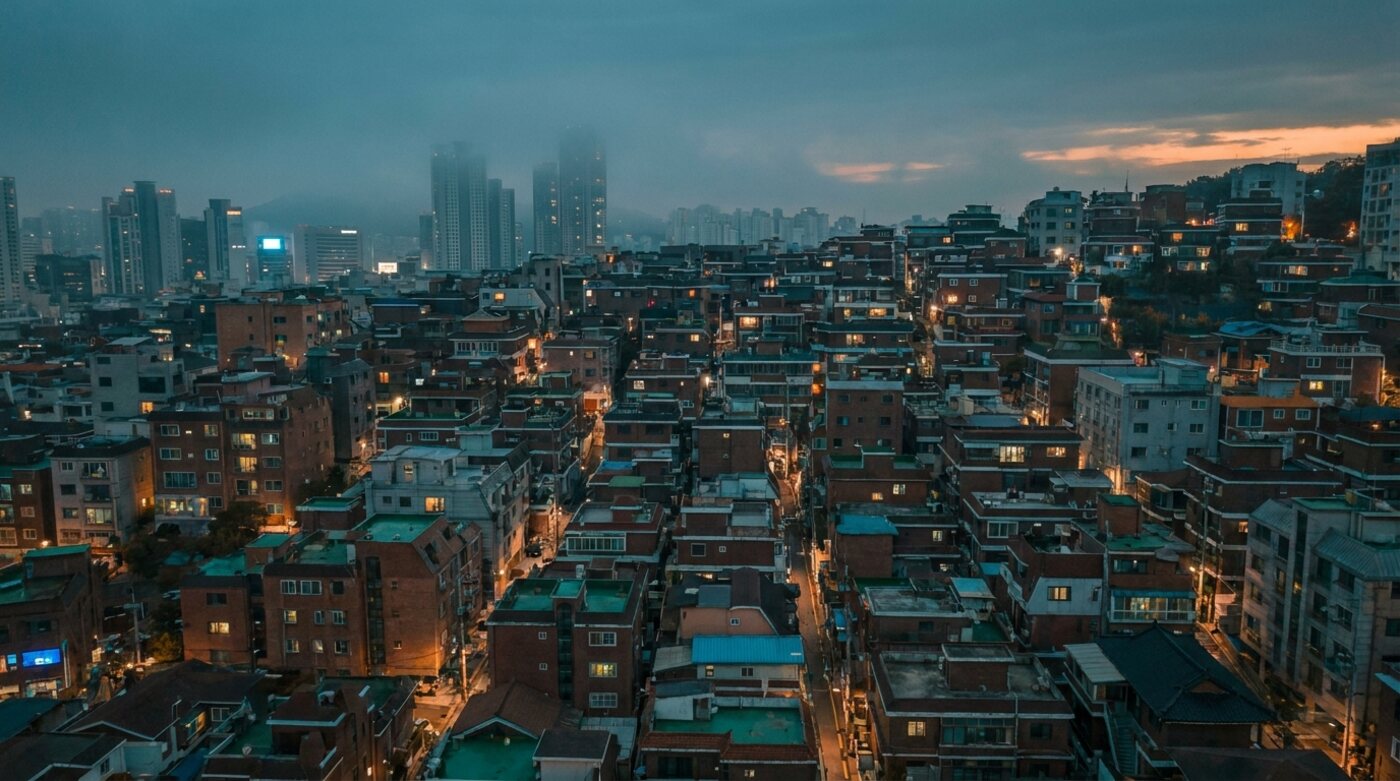
When Twitch announced in December 2023 that it was leaving South Korea, its chief executive, Dan Clancy, wrote that network fees in the country were about ten times higher than in most other markets. He said that was still true after Twitch had cut Korean streams to 720p and tried a peer-to-peer model. The service closed on February 27, 2024. Korean telecoms groups disputed the claim at the time, and Twitch never published the numbers behind it.
Nearly three years on, Korea is the clearest test yet of what a big live-streaming market looks like without the global player. The answer, from the latest company results and Korean financial press, is a two-way fight between local giants, a scramble for sports rights, and a quiet shift in who pays for live streaming: fewer fans tipping, and more brands buying.
Two local platforms split the audience
Naver, Korea's biggest internet company, opened the beta of its streaming service CHZZK on December 19, 2023, days after Twitch's announcement. The Elec reports that it officially launched in May 2024. Viewers tip streamers in "cheese", a currency paid through Naver Pay.
The other side of the fight is SOOP, the company formerly known as AfreecaTV. It was Korea's established live platform, and Streams Charts says it took in much of the audience Twitch left behind. In early 2026, Streams Charts found that CHZZK had more active channels than SOOP, while SOOP kept a slight lead in average concurrent viewers.
Other players have stepped back. The Elec reports that Kakao closed KakaoTV on June 30 this year. YouTube still dominates on-demand video in Korea, but for the country's biggest esports league, the LCK, Korean-language live broadcasts are now shared exclusively by CHZZK and SOOP under a deal running from 2026 to 2030.
The tip jar is shrinking at SOOP
SOOP's third-quarter results, published on October 30, show how much has changed. Consolidated revenue fell 16% year on year to 105.7 billion won (about $79 million). Operating profit fell 59.9% to 14.5 billion won, according to Newsway, Bloter and Seoul Economic TV.
The damage was in what SOOP calls platform revenue, the money from star balloon donations and subscriptions that viewers pay streamers, with SOOP taking a share. It fell 21.3% to 66.1 billion won. BizWatch reported that this was the fourth quarterly fall in a row, and Bloter calculated it was the lowest level since the end of 2023. Bloter's figures show platform revenue was 84.1 billion won a year earlier.
The audience did not leave. SOOP disclosed its monthly unique visitors for the first time: 6.62 million on average in the third quarter, up 2% on a year earlier. People are still watching. They are paying less.
SOOP blamed two things. Big "crew" broadcasts, where groups of streamers perform together and draw heavy donations, ran less often, and some streamers left. BizWatch reported that those streamers went "to other services", without naming them. Lee Min-won, SOOP's co-chief executive, told analysts that streamers' options for where to work were multiplying, that competition for content was intensifying, and that this was hitting the donation economy, which he called the company's core revenue base. He said a full recovery was taking longer than expected, Cheonji Ilbo and Newsway reported.
Lee also explained why more viewers had not meant more money. Growth came from esports, games and overseas viewers, he said, but game traffic converts to payments less well. Cheonji Ilbo and Bloter contrasted it with "boineun radio" ("visible radio"), the chat-and-talk shows that earn the most donations, which were hurt when some streamers left.
Brands are filling the gap
Advertising held SOOP's quarter together. Ad revenue rose 35.4% from the previous quarter to 36.8 billion won, though it was still 5.5% lower than a year earlier. The fastest-growing part was what SOOP calls content-type advertising: tournaments, showcases, pop-ups and events it produces for brands. That rose 54.6% on the quarter to 19.5 billion won, driven by campaigns around Nexon's FC Online and the Valorant Champions Tour roadshow in Busan, according to Gamemeca and Cheonji Ilbo. Bloter reported that large advertisers from outside gaming had also joined.
SOOP is now building on that. In the first quarter of 2027 it will launch SOOPHERE, a single brand that combines the advertising and marketing teams of SOOP and its affiliates and adds performance marketing. Lee said the company would deepen ties with game publishers and go after large corporate advertisers.
Investors are not yet convinced. On November 2, Eugene Investment & Securities analyst Lee Hyun-ji cut her SOOP price target from 77,000 won to 45,000 won, BizWatch reported. She wrote that SOOP's domestic growth had stalled, that it had not yet shown clear results abroad, and that a short-term recovery in platform revenue would be hard. Ads could fill some of the gap, she said, but returning to past profitability "will not be easy".
Naver's bet: sport as a growth engine
CHZZK's strategy has been to buy big live events. Naver paid about 40 billion won for exclusive World Cup streaming rights this summer, The Elec reported. Korea's match against South Africa drew a peak of 4.94 million concurrent viewers on CHZZK, which The Elec said was nearly ten times the platform's previous record of 570,000. Korea went out earlier than hoped, so the payoff was shorter than planned.
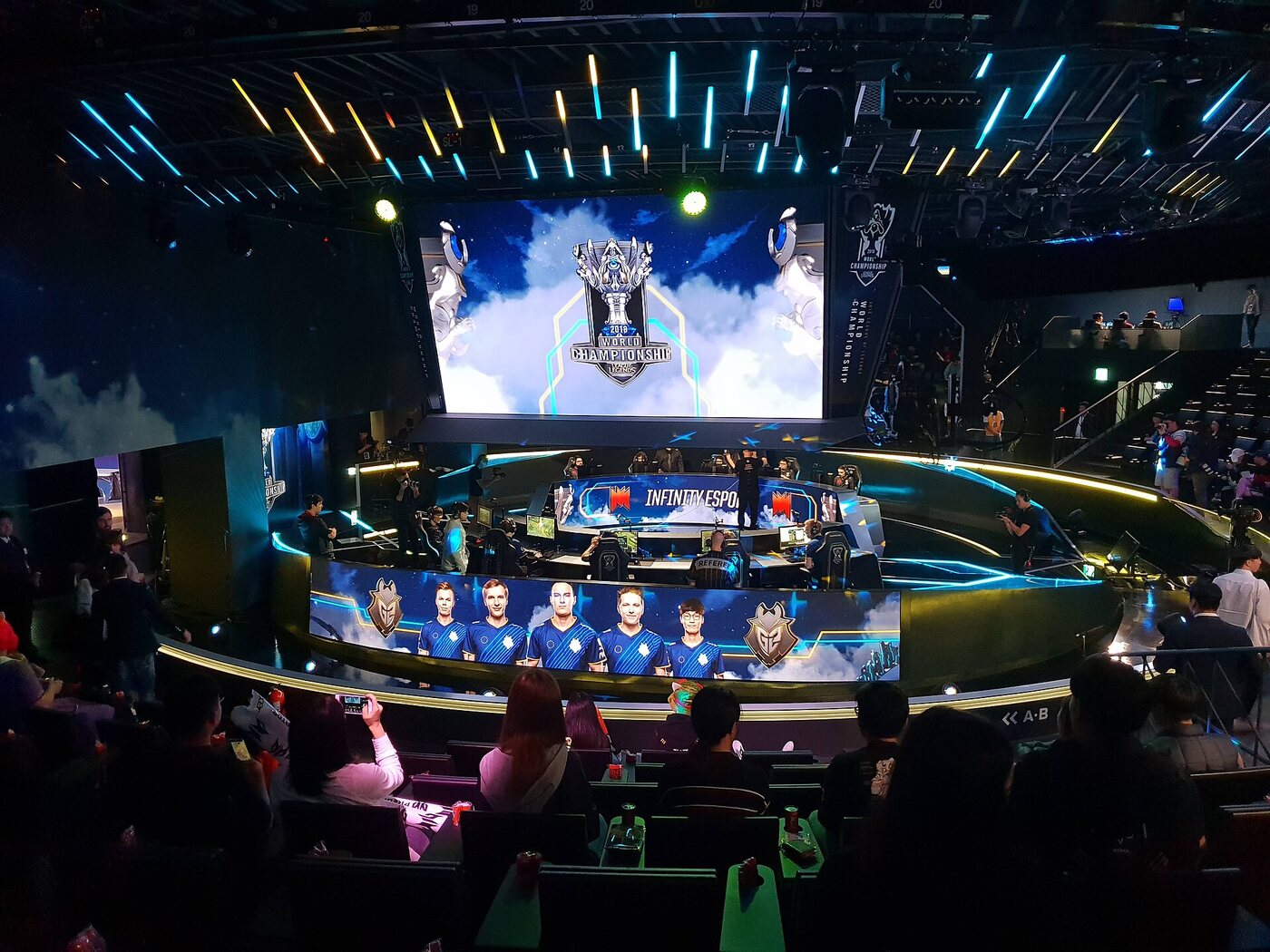
Naver has also signed esports deals with Nexon, Riot Games and Krafton, and holds Korean-language rights to the Esports World Cup. For this month's League of Legends World Championship, DigitalToday reported that CHZZK ran the official broadcast alongside co-streams from seven streamers. That format turns a rights deal into content for individual creators. Last year's Worlds peaked at about 560,000 concurrent viewers on CHZZK.
The spending shows up in Naver's accounts. On November 12, Naver reported record third-quarter revenue of 3.47 trillion won but a 20.9% fall in operating profit, which it put down to investment in AI, infrastructure and content. Naver does not break out CHZZK's revenue, so it is not possible to say whether the platform makes money.
What it means for creators
Korea shows that when a global platform leaves, the audience does not vanish. It moves to whoever is ready. Streamers who built on Twitch had to rebuild on CHZZK or SOOP in a matter of weeks. With two local platforms now competing for talent, Korean streamers have bargaining power they did not have before. SOOP's "Partners Mentoring" programme, launched in October with about 20 partner companies, is partly an effort to keep and win back streamers. About a quarter of eligible streamers had joined, according to BizWatch.
The warning is in SOOP's numbers. Viewer donations, the income Korean streaming was built on, can fall even while audiences grow. Creators who rely on tips alone are exposed. Those who can also deliver brand events, tournaments and sponsored formats are the ones the platforms are now chasing.
What it means for brands and agencies
Korean live streaming is no longer just a place to buy a streamer's on-air mention. Both platforms are packaging tournaments, co-streams, pop-ups and offline events as advertising products, and SOOP is building a dedicated sales brand to sell them. For brands outside Korea, the market is still hard to enter: Streams Charts notes that full use of CHZZK needs a Naver account tied to a Korean phone number or ID. The model, though, is worth watching. Twitch has spent this year pushing its own brand deal tools, and says the number of streamers getting brand deals has quadrupled. Platforms in both markets are reaching the same conclusion: fan tipping alone will not pay for live streaming.
Why it matters: Korea is the only major market where Twitch has walked away and local platforms have had years to fill the gap. Its results show viewers staying but tips falling, sports rights being used to win audiences, and advertising becoming the growth engine. Platforms, creators and brands elsewhere are likely to face the same shift.