New Zealand is licensing online casinos. Creators will not be allowed to sell them
Unlicensed casinos must stop serving New Zealanders from December 1. The licensed operators that replace them, at NZ$15 million a licence, cannot use influencers, endorsers or affiliates, and individuals face fines of up to NZ$300,000.
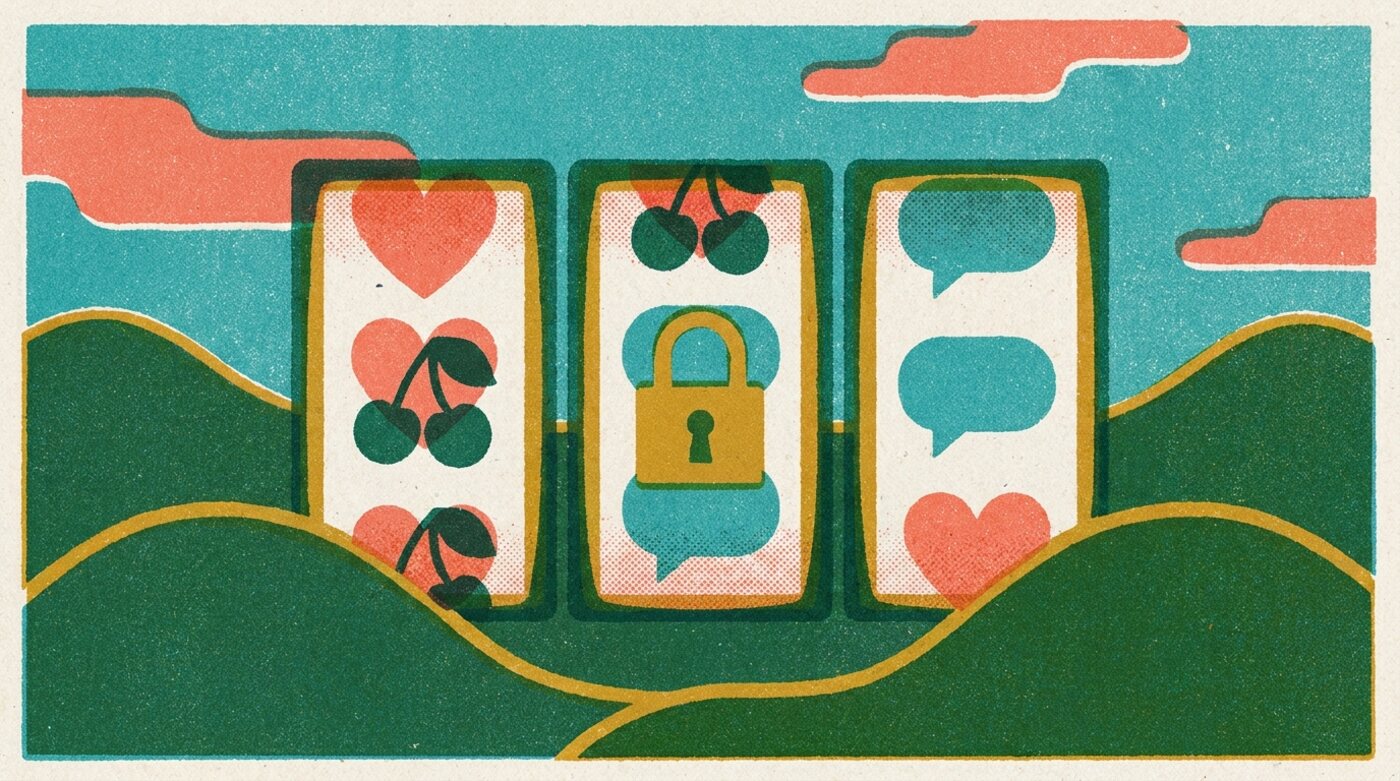
In two weeks, New Zealand will start closing its doors to unlicensed online casinos. From December 1, any operator that has not applied for one of the country's new licences must stop serving New Zealanders. By early 2027, a small group of licensed casinos is expected to take their place.
Most of the coverage has been about the money: an auction that pushed the price to NZ$15 million per licence, and big names such as SkyCity, TAB New Zealand and Stake competing for a place. For the creator economy, though, the most important part of the new law is a single rule. Even when the market is fully licensed, casinos will not be allowed to pay influencers to promote them.
Many countries regulate gambling creators through disclosure rules and age tests. New Zealand has closed that channel completely.
What is changing, and when
The Online Casino Gambling Act 2026 came into force on May 1. It allows up to 15 licences, each covering one brand, and no company may hold more than three. Licences last three years and can be renewed once, for up to five more, according to law firm MinterEllisonRuddWatts.
The Department of Internal Affairs (DIA) ran the licence auction in stages. Expressions of interest opened in July. On October 13 the department announced the result. After 10 rounds with 32 bidders, the price settled at NZ$15 million per licence, according to a briefing by the gambling marketing consultancy Senet.
Eleven entities won the right to apply, according to the DIA list published by the trade outlet Next.io. Betway's Baytree Interactive won three. Entain's Playvia Gaming and Rock Swift Group won two each. SkyCity won two through separate companies. Christchurch Online, One Casino, Rush Entertainment, Skill On Net, Stake New Zealand and TAB New Zealand won one each. Winning a bid does not guarantee a licence. The DIA told RNZ that every bidder still faces "a detailed application and assessment process", and that the brands that will operate are "not being published at this stage".
The key dates, as set out by Senet and DLA Piper:
- Since May 1, 2026: only licensed operators may advertise online casino gambling to New Zealanders. Because no licences have been issued yet, in practice nobody can.
- December 1, 2026: operators with no licence application must geo-block New Zealand, stop signing up new customers, pay out balances and end New Zealand-facing marketing and affiliate links.
- Early 2027: the first licences are expected. Operators with a pending application can keep serving existing players until a decision is made, but they cannot advertise.
- June 1, 2027: the latest date the transitional exemption for pending applicants can run.
Internal Affairs Minister Brooke van Velden has said the regime is "not intended to increase the amount of gambling New Zealanders do", RNZ reported. Its aims are to make operators meet consumer protection and harm-minimisation rules, and to make them pay tax. MinterEllisonRuddWatts says licensed operators will pay a 3.5% levy to the DIA and 16% gambling duty to Inland Revenue on their online gambling profits.
The rule that matters for creators
The Act does more than tidy up the market. It changes who is allowed to sell it.
Under section 10, a person may publish or arrange an online casino advertisement aimed at New Zealanders only under a licence, according to DLA Piper. The rules for licensed operators then rule out the tools that creator marketing depends on. Sponsorships, personal endorsements and affiliate arrangements are all prohibited, according to MinterEllisonRuddWatts. That firm says operators cannot use "real or fictional personal endorsers". In plain terms, that means no celebrity ambassadors and no influencer deals.
Licensed casinos that do advertise face further limits, according to the two law firms:
- no advertising aimed at under-18s, and none where more than 20% of the likely audience is under 18;
- no personalised advertising;
- no ads during a live broadcast, or in the 30 minutes before or after one;
- no presenting gambling as an investment, a source of income or a way out of money problems;
- no inducements or content that creates urgency, and every ad must carry a harm-minimisation message.
The penalties are large. DLA Piper says unlawful advertising or operating without a licence can bring civil penalties of up to NZ$5 million for a company and NZ$300,000 for an individual. Senet notes that the DIA can also issue take-down notices, and can pursue third parties who publish prohibited ads, not just the casinos.
The regulator has already gone after influencers
Creators in New Zealand have been warned before. Under the older Gambling Act 2003, promoting overseas gambling sites to New Zealanders was already illegal. In 2025 the DIA started enforcing that rule against social media accounts.
In April 2025 the NZ Herald reported that the department had sent eight cease-and-desist letters, was monitoring 26 accounts and had received 50 complaints about influencers promoting gambling. The letters told creators to "immediately cease posting any reference to overseas online gambling". That included posts made in their name by others, such as social media agencies.
Fines followed. In September 2025 the DIA fined four influencers and the Curaçao-based casino Spinbet a combined NZ$125,000, the NZ Herald reported. Spinbet's share was NZ$60,000, for 12 breaches. Infringement notices under the old Act are NZ$5,000 each. DLA Piper notes that the department treated every post as a separate offence, so one influencer built up repeated penalties across several posts. The DIA also directed platforms and internet providers to take illegal ads down.
Those were small fines under an old law. The new Act raises the maximum for an individual to NZ$300,000, and once the deadline passes there will be no doubt about which sites are illegal.
Where New Zealand sits
Across the Tasman, Australia is moving the same way. We reported this month that from January 1, 2027, licensed Australian betting companies will no longer be allowed to use athletes, influencers or other well-known people in their advertising. Britain is more permissive. Gambling brands there can still work with creators, as long as those creators do not have strong appeal to under-18s, under advertising rules tightened in 2022.
What sets New Zealand apart is the timing. Australia is removing influencers from a betting market that has used them for years. New Zealand is writing the ban into the rules before its licensed casino market has even started. No licensed online casino in New Zealand will ever have had an influencer programme. Before the Act, creators were banned from promoting these sites because they were offshore and illegal. Under the Act, they remain banned from promoting a licensed, taxed operator too. In effect, the government has decided that a creator's personal endorsement is part of the harm.
The affiliate economy loses New Zealand
The change will be felt furthest down the chain. Much online casino marketing runs through affiliate links, referral codes and streamers paid per sign-up, rather than visible brand deals. Senet's guidance tells "affiliates, advertisers, influencers and media owners" carrying New Zealand-facing casino promotion to review those arrangements now. It also tells payment and platform businesses to prepare to wind down work with operators that leave the market.
The rules apply to promotion aimed at New Zealanders, wherever the creator or casino is based. The Act covers any operator that lets a New Zealand-based person gamble, wherever it is incorporated, according to MinterEllisonRuddWatts. How the DIA will deal with an overseas streamer whose casino content happens to reach New Zealand viewers is one of the questions the regime has not yet tested.
The Act covers online casinos only. Sports and racing betting stay under TAB New Zealand's separate arrangements, Senet notes.
What it means for creators
If you are based in New Zealand, or your audience is, the simple answer is: don't promote online casinos, licensed or not, and remove affiliate links and referral codes now. The DIA has shown that it counts each post as a separate breach, that it will name and fine individuals, and that it will ask platforms to remove content. Under the new law, the maximum fine for an individual has risen to NZ$300,000.
Check older posts and link-in-bio pages too, and any content an agency or manager posts for you. The DIA's 2025 letters specifically covered posts made by others in a creator's name.
What it means for brands and agencies
The eventual licence holders will pay NZ$15 million each for the right to compete, then face a market where the most effective acquisition channel of the past decade is closed to them. Expect more spending on licensed media placements that meet the 20% under-18 audience test, and less on talent. Agencies with casino clients that sell across Australasia should keep New Zealand-facing creator work completely separate. Sports betting remains under different rules, so they should check where those lines fall too.
Why it matters: New Zealand is building a licensed online casino market in which paying creators is banned from the first day. With Australia about to ban influencers from licensed betting ads too, Australasia is becoming the clearest test of whether gambling can be sold online without creators. Regulators elsewhere will be watching.