The UK alcohol rule that trips up creator content: why the drink can never be the mood-changer
CAP has warned brands, retailers and influencers that alcohol must not be shown changing anyone's mood. This year's ASA rulings against BrewDog, La Vieille Ferme and Bargain Booze show how easily a social joke breaks the rule.
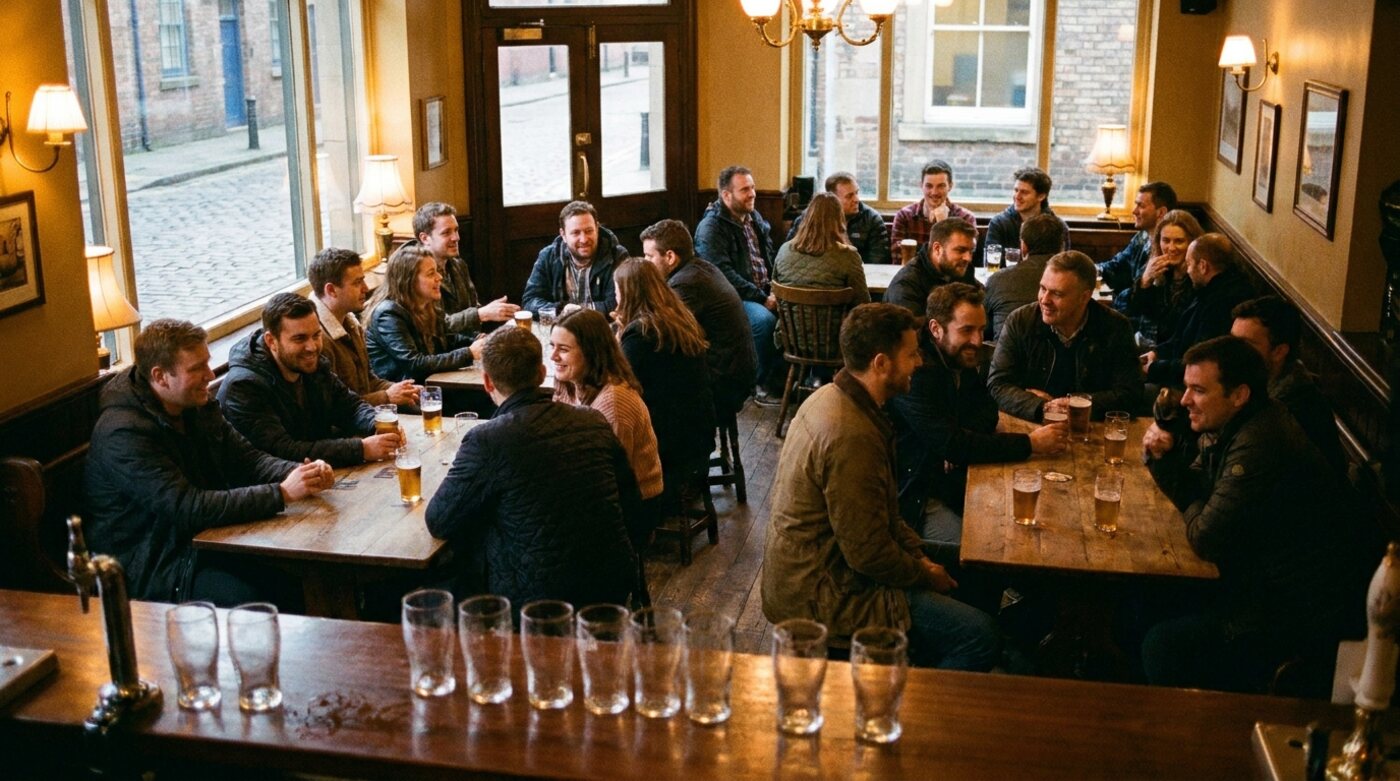
Britain's advertising rule-makers have a message for drinks brands, retailers and the creators they pay: you can show people having a good time, but you cannot suggest the drink is what gave it to them.
On Thursday the Committee of Advertising Practice (CAP), which writes the UK advertising code enforced by the Advertising Standards Authority (ASA), published a guidance note headed "Good vibes or moody blues? Alcohol and 'change of mood' in ads". It focuses on one line of the code, rule 18.7, which says alcohol must not be portrayed as capable of changing mood. CAP says the mood part of that rule draws more complaints than any other part of it.
The timing matters for anyone working in social. The ASA's alcohol page lists four rulings so far in 2026, and all four were upheld. Three were paid social posts on Facebook and TikTok, and all three broke the rules on mood or loneliness.
What CAP is saying
CAP points out that "mood" is a broad word. It covers happiness, confidence, excitement, relaxation, bravery and more. Plenty of ads try to show that life is better with the product. For alcohol, that is exactly what the code forbids.
The guidance uses three past cases to draw the line:
- The Muff Liquor Company. Social posts by television presenter Laura Whitmore, who held shares in the brand, used the "if drinks were dance moves" meme. Her dancing was subdued for water and peppermint tea and grew more energetic and uninhibited as she moved on to beer and a Muff and tonic. The ASA upheld complaints in 2023, finding viewers would see alcohol as making her more confident and changing her mood. CAP adds a warning that applies to every social team: if you repost a meme, you are responsible for it, even if you did not make it.
- Zapp. The grocery delivery app showed a gin and tonic next to the line "Friday Feels – in minutes, 24/7". Zapp said the line was about delivery speed. The ASA said consumers would read it as alcohol delivering that end-of-week feeling on demand, and upheld the complaint.
- Tanqueray. A Diageo TV ad showed people on a beach, a roof terrace and in front of a mirror under the line "Let's live magnificently". The ASA found no breach because the characters were already smiling and enjoying themselves before any drink appeared. The good mood came from them, not the gin.
CAP's practical advice comes down to one point. Show people who are already happy, independent of the product, and never let the scene imply that the alcohol caused the feeling.
The 2026 rulings show where brands keep going wrong
The ASA's own rulings this year show how easily a joke can cross the line.
In May it banned a paid TikTok ad for La Vieille Ferme wine, seen in March. The ad showed three wine boxes captioned "One to resurrect my soul", "One for emotional support" and "One to erase today", with post text that began "My health? Depends on all three." The ASA found it implied wine had therapeutic qualities and could lift mood. It also said "One to erase today" suggested drinking to the point of memory loss. TikTok told the ASA it had removed the ad for breaching its own advertising policies. The Drinks Business and The Grocer both covered the ban.
Also in May, the ASA ruled against a Bargain Booze Valentine's Day post on Facebook that read "Why have romance when you can have rum". The retailer called it a light-hearted price-deal joke aimed at adults. The ASA accepted it had not meant to suggest that alcohol cures loneliness, but ruled that in a Valentine's context the ad presented rum as a substitute for romance. It broke rule 18.6, which bars implying that alcohol can overcome loneliness or boredom.
In September BrewDog lost a ruling over two paid Facebook posts promoting 90 minutes of "bottomless" beer for £19.95. One showed two men under the caption "When bottomless beers start to hit you", their expressions turning noticeably happier, followed by a quick run of 12 other drinks. BrewDog said the line was informal humour. The ASA found the ads implied alcohol changes mood and encouraged excessive drinking. BrewDog told the regulator it would add legal review before publication, train staff and tighten oversight of its local social media.
The pattern is clear. Bargain Booze and BrewDog both defended their posts as humour, and Whitmore's posts followed a popular meme. In each case the ASA judged what an ordinary viewer would take from it, not what the brand meant.
Why this lands hardest on creator content
Much of what makes creator content work is exactly what rule 18.7 restricts: the reaction shot, the before-and-after, the "me after one glass" trend format, the self-care framing, the end-of-a-long-day post. A creator's natural style does not change how the rules apply. Law firm CMS made the same point about an earlier ASA influencer ruling: content that is unscripted, or typical of what the creator normally posts, is judged by the same rules.
Alcohol content on social media faces other limits too. People shown drinking, or playing a significant role, in alcohol ads must neither be nor seem under 25. Ads must not appeal particularly to under-18s. The ASA also expects alcohol ads to be kept away from media where under-18s make up more than a quarter of the audience. In the Whitmore case, the ASA also ruled the posts should have been labelled as ads because of her shareholding, even though she was not paid for them.
The guidance arrives as the festive party season begins, the busiest time of year for drinks marketing and for the trend-led, celebratory posts it warns about.
What it means for creators
If you take alcohol work, build the good mood into the scene before the drink appears. Avoid formats where the drink is the turning point: transformation edits, "after one sip" reactions, dance-move memes, or captions about erasing, fixing or escaping a bad day. Check your audience data before you sign. A young following can make the deal unworkable however careful the content is. And label it: a shareholding or a gifted case can count as a commercial relationship just as much as a fee does.
What it means for brands and agencies
Three of this year's four alcohol rulings involved paid social posts, and two of those brands defended their posts as humour. Treat creator briefs and community-manager reposts for alcohol as regulated advertising, not casual social. Put rule 18.7 in the brief, review edits before they go live, and be careful with delivery-speed or "weekend starts now" wording next to a drink. CAP's free Copy Advice service will check an ad before it runs. That is far cheaper than a published ruling with your brand's name on it.
Why it matters: Alcohol is one of the few UK categories where the rules limit not just what a creator says but the emotional story a post tells. With this year's paid social rulings all involving short, joke-led posts, the ASA is signalling that the meme defence does not work. Creators who can make drinks look good without making the drink the mood-changer will be the ones brands can safely book.