Britain's #ad rules aren't working. Make the platforms put the label on
The ASA's own research found more than a quarter of people could not identify influencer ads as advertising at all. Another guide won't fix that. A mandatory, standard platform label would.
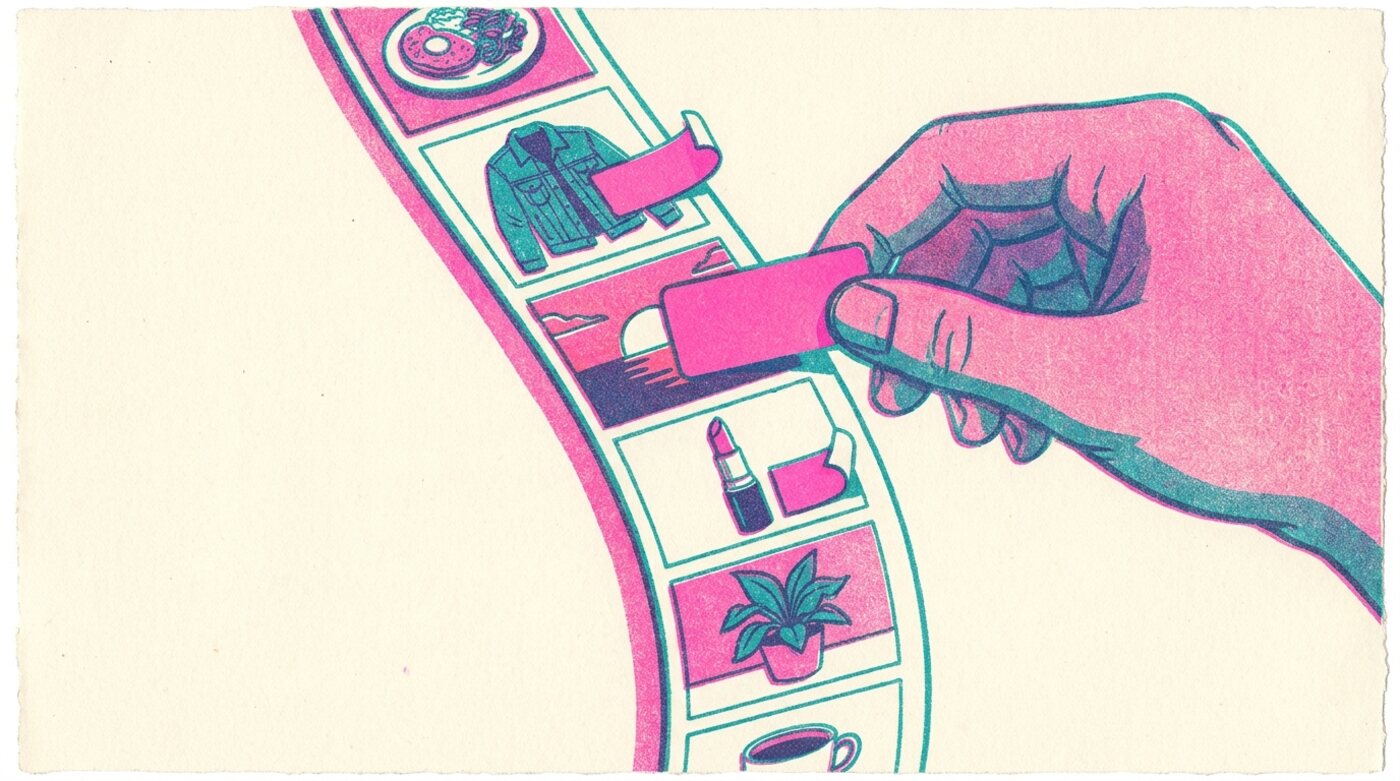
Britain has asked influencers to type "#ad" on their sponsored posts for the best part of a decade. The Advertising Standards Authority's own research now shows how far that has got us: in a test built to feel like real scrolling, more than a quarter of people could not identify influencer advertising as advertising at all.
Last month the ASA and the Competition and Markets Authority published a fresh edition of their influencer guide. Its core message is unchanged: make it clear that ads are ads, and "if in doubt, label it". That is the wrong conclusion to draw from the evidence. The hand-typed hashtag has had its chance. The label should be the platform's job, built in, standard and impossible to bury, and regulators should say so.
What the regulator's own research found
The ASA commissioned the research agency MTM to test how people actually spot influencer ads. The study, published in February, surveyed 1,900 UK respondents aged 13 and over, including a boost sample of 300 teenagers, and focused on TikTok and Instagram. Instead of showing static images, it made people scroll a mixed feed and make quick judgements, in a "Spot the Sell" exercise.
The results are not flattering to the current system. Three-quarters of respondents said traditional brand ads were "definitely" advertising. For influencer ads, only around half did. Recognition of individual influencer posts ranged from about 30% to 83%, depending on how each was made and labelled. Around half of people said they felt confident spotting influencer ads, and the ASA says that confidence did not consistently translate into getting it right.
The research also says which labels work. Platform labels such as "Paid Partnership" and "Commission Paid", along with a clear "Ad" placed upfront, performed best. Shorthand such as "#gifted" and "#thanks" performed poorly. People expected the label to be visible straight away, without having to open a caption or click "more".
Why the hashtag keeps failing
Read those findings together and the problem is obvious. Disclosure works when it is uniform, prominent and in the same place every time. A hashtag typed by millions of individual creators is none of those things. It goes wherever the creator puts it, in whatever wording they choose, often after a wall of other tags, and it can be cut off by the platform's own caption design.
The new guide responds by adding detail. According to the law firm Lewis Silkin, it names "Sponsored", "Spon" and "Sp" as insufficient, warns that platform features such as co-authoring are not always enough, and adds a section on fake and incentivised reviews. It is also updated for the Digital Markets, Competition and Consumers Act 2024, which lets the CMA fine businesses directly for unfair commercial practices, up to 10% of global turnover.
All of that is useful. But more rules about how to type a hashtag will not fix a system whose weakness is that it depends on people typing hashtags. The guide asks every creator to get it right on every post. The evidence says the system works best when nobody has to.
Put the label where the ad money flows
Platforms already know when a post is paid. TikTok, Instagram and YouTube run their own paid-partnership tools, branded-content marketplaces and affiliate shops, and they process many of the payments. The ASA's research found their labels were among the most effective. The obvious step is to make a standard platform label mandatory on all paid content in the UK, in a fixed position on the video or image itself, rather than optional and one of many choices.
Where a deal is struck off-platform, the creator would still have to switch the label on. The difference is that it would always look the same and sit in the same place, so viewers learn to see it, and regulators can check for it at scale instead of reading captions one by one.
This also moves some of the burden to the companies best placed to carry it. Platforms profit from paid creator content and design the screens it appears on. They should not get to leave the hardest part, telling viewers what is an ad, to millions of individuals with different levels of care and legal knowledge.
The fair objections
There are real arguments against this. The ASA regulates advertisers, not app design, so a mandatory platform label probably needs government action or a legal duty rather than a new code. Platform tools differ, and some formats, such as livestreams, are harder to label consistently. A standard tag could also become wallpaper that people learn to ignore, as some cookie banners have.
The ASA itself says its findings "do not suggest that the existing rules on influencer advertising are unclear or inappropriate". That is fair as far as it goes. The rules are clear. The problem is how they are delivered. And there is a risk that platform labels let brands and creators shrug off responsibility. They should not. A mandatory label should be a minimum, with creators still liable if they disguise an ad in other ways.
None of these objections answers the central point. Britain has tried creator-applied labels for years, and its own regulator's research shows that a large share of the public still cannot reliably tell when they are being sold to.
What it means for creators
Use the platform's paid-partnership or commission label on every paid post now, and add a clear "Ad" at the start of the caption or on screen as well. Drop "#gifted", "#thanks" and similar shorthand. The ASA's research shows they confuse people, and the CMA can now fine directly.
What it means for brands and agencies
Under the new guide, everyone in the chain is responsible. Write platform labels into every contract, check posts before they go live, and do not work with creators who resist disclosure. If labels become mandatory, brands that already insist on them will have nothing to change.
Why it matters: The UK regulator's own research shows the hashtag system leaves more than a quarter of people unable to spot influencer ads. Making platforms apply one clear, standard label would do more for trust in creator marketing than another edition of the guide.
Related: Hidden ads are consumer fraud. It's time to fine the influencers who post them.
This is the view of The Collab Report's editorial board. Disagree? Tell us, and we may publish the best responses.