Germany and Austria call for European ownership of TikTok: what it means for creators
Two governments want TikTok's European business, data and algorithm out of ByteDance's control and are asking the rest of Europe to join them. There is no buyer, deal or timeline yet, but creators and brands should take note.
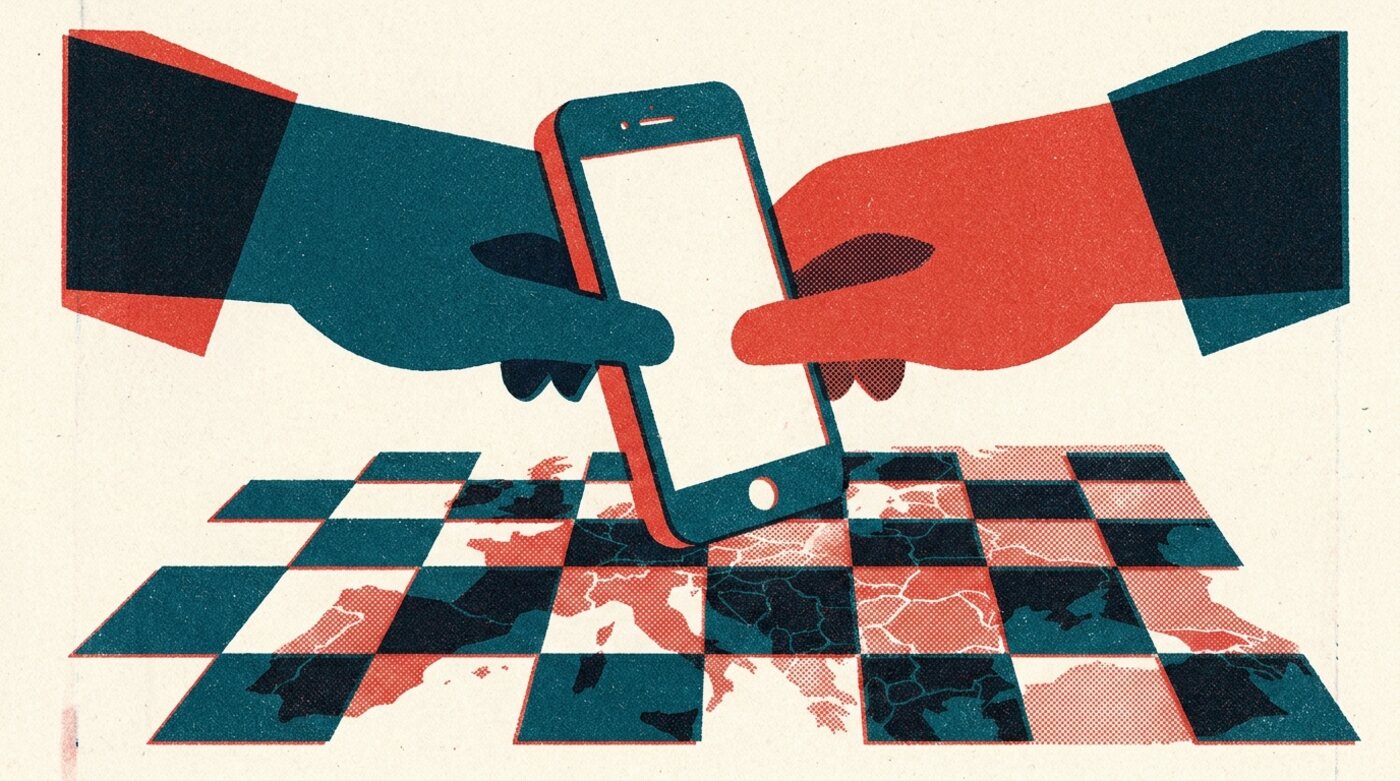
Germany and Austria want TikTok's European business taken out of Chinese hands. In a joint statement published on Wednesday, Germany's minister of state for culture and media, Wolfram Weimer, and Austria's state secretary for digitalisation, Alexander Pröll, called for a "European ownership structure" for TikTok's operations in Europe and invited every other European country to back the idea.
The statement, released through the Austrian Federal Chancellery, says European ownership would "secure control over data and algorithms" and put TikTok's core technical infrastructure under European responsibility. It gives no timeline, no legal mechanism and no buyer. No other country has publicly signed up yet, The Local reported, and it is unclear whether the plan will ever happen.
TikTok is owned by Beijing-based ByteDance. The two governments say the app has about 200 million monthly users in Europe, including roughly a third of the populations of Germany and Austria. No response from TikTok had been reported by Wednesday evening.
What the two governments are arguing
The ministers make three main points, according to the statement and reports by The Local and Anadolu Agency:
- Data. They cite unlawful transfers of European user data to China and say it is unclear how far the Chinese state can reach that data. Ireland's Data Protection Commission fined TikTok €530 million in May 2025 for failing to show that European users' data accessed remotely from China was properly protected. TikTok disagreed with that decision and said it would appeal.
- Algorithms. Whoever controls the recommendation system, they argue, shapes what people see, which matters for media diversity and democratic debate. "Digital sovereignty is therefore also a question of the resilience of our democratic public sphere," the statement says (our translation from German).
- Children. "We must protect the mental health and development of our children," the ministers wrote. They welcomed the European Commission's child-protection plans but said a further approach was needed.
They compare the idea to Germany's plan to remove Huawei and ZTE components from its 5G core networks by the end of 2026, arguing that platforms this influential deserve similar scrutiny.
Not a new idea, but a bigger push
Weimer first floated European ownership in February, at an editors' conference held by the German Press Agency, where he suggested a consortium of European media companies, The Local reported. Axel Springer said in October it would be willing to take part, and its chief executive, Mathias Döpfner, has backed the idea. German trade outlet retail-news.de reported that Weimer was expected to raise the plan with EU culture and media ministers in Brussels this week.
The model everyone has in mind is the United States. In January, ByteDance finalised a majority American-owned joint venture for TikTok's US business after a law forced a change of ownership. As we reported at the time, US brand spending on TikTok creators bounced back within weeks of the deal.
Europe's position is different in one important way. There is no European law forcing a sale, and the EU has no single government that could order one. Any deal would need ByteDance's agreement and buyers with deep pockets. TikTok has long argued that its existing European plan, Project Clover, already answers the data question. Announced in 2023, it promised €12 billion of investment in Europe over ten years, European data centres and independent oversight by British security firm NCC Group.
The pressure on TikTok in Europe is coming from several directions at once. The European Commission has challenged the design of its For You feed under the Digital Services Act, and Spain's government this month demanded TikTok suspend operations over child abuse material.
What it means for creators
Nothing changes tomorrow. This is a political statement from two governments, not a deal, and TikTok has not said it would sell its European business. But creators who rely on the app should read it as another sign that their main platform carries political risk in Europe, not just in the US.
The biggest open question is the algorithm. A European owner that controlled recommendations, as the ministers want, could change what gets pushed into feeds, how political and news content is treated, and how fast younger audiences are reached. Any of those could shift reach overnight. US creators saw the same uncertainty before their deal closed. Creators who built email lists, YouTube channels or Instagram audiences alongside TikTok came through it better.
Monetisation is the other worry. Creator Rewards, TikTok Shop and Live gifting all run on ByteDance systems. A forced split would raise questions over whether those tools carry over in full and at the same rates. There is no sign yet of any change.
What it means for brands and agencies
Brands should not pause TikTok spend over one statement. They should, though, keep campaign plans flexible across platforms and make sure contracts with creators cover what happens if a platform changes hands, changes its rules or goes dark in a market. European marketers have already been using TikTok less for creator campaigns even as its audience grows, partly over regulatory worries. Today's statement will not ease them.
For European media groups, the plan is also an opportunity. A consortium of publishers owning a stake in the continent's most powerful short-video app would put traditional media inside the creator economy rather than competing with it. Whether that appeals to creators is another matter.
Why it matters: Two EU governments now say openly that TikTok's European business should have European owners. It is an early proposal with no buyer, no legal route and no timeline, but it shows the US ownership fight has crossed the Atlantic. Creators and brands that depend on TikTok in Europe should plan for more uncertainty, not less.