Ogilvy and CAA launch ECHO, an AI platform for talent-approved celebrity clone ads
The WPP agency will use CAA clients' scanned likenesses to turn one shoot into dozens of AI-made ads, each signed off by the talent and labelled as AI. Here is how it works and what it means for creators' contracts.
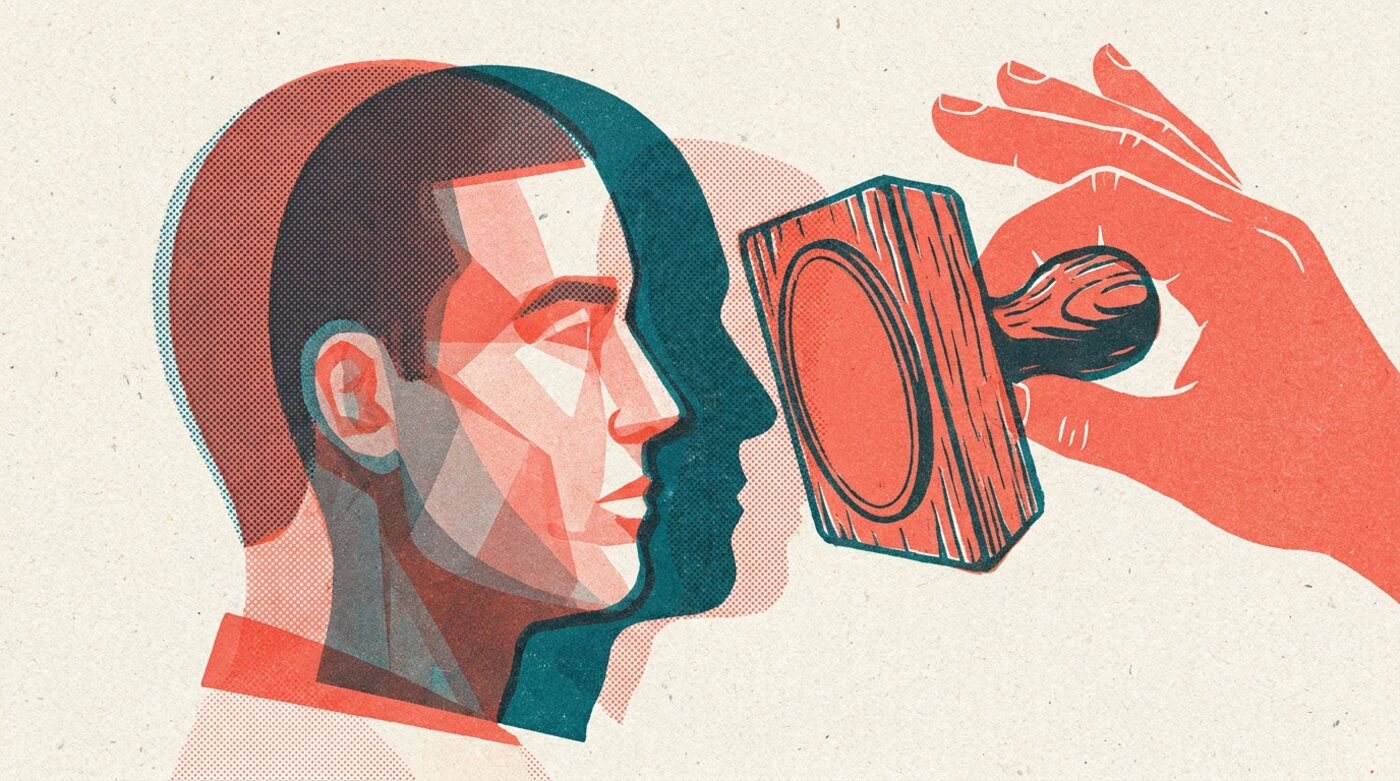
Ogilvy and Creative Artists Agency have launched a system that lets brands make AI-generated ads with the digital likenesses of CAA's clients. The platform, called ECHO, went live on Monday.
CAA represents actors, athletes and, increasingly, creators. The deal turns a star's scanned likeness into something an agency can license and scale, with the talent signing off on every asset.
How ECHO works
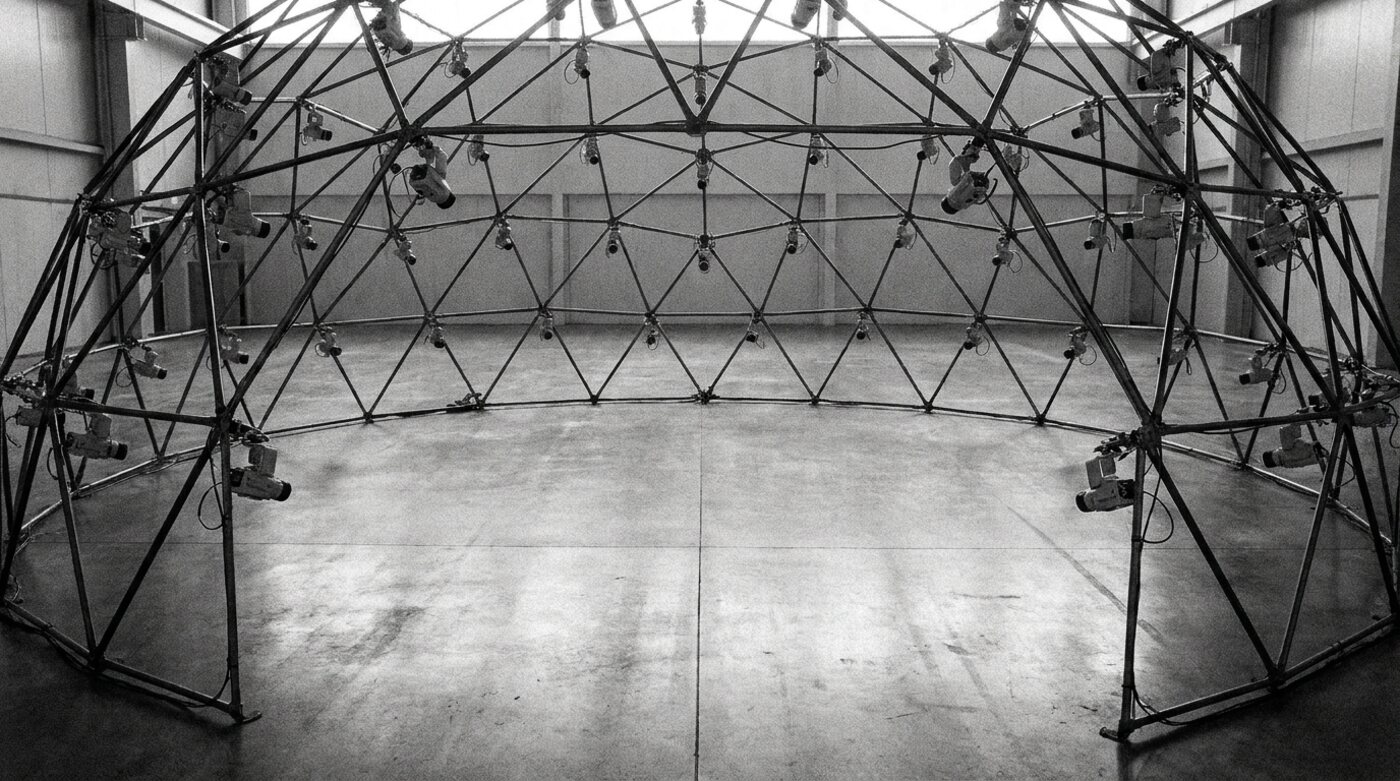
ECHO draws on The CAA Vault, the agency's service for capturing, storing and licensing a client's likeness, voice and intellectual property. Digiday reported that the Vault is a scanning studio Veritone built for CAA four years ago. It uses 204 cameras to record faces, voice, body language and even the way a person walks.
Ogilvy says its AI models are trained only on those scans. Generated work is checked automatically against each star's usage terms and brand safety rules. Before anything is published, it goes through an approval portal for the agent and the talent. Ads that reach consumers carry a visible watermark reading "[Talent Name] Approved | Recreated with AI".
The money case is volume. Ogilvy says a shoot that would normally yield 8 to 10 assets can produce 30 to 50 with ECHO, and cut the average cost per asset by up to 65 to 75%. Carol Reed, Ogilvy's global chief innovation officer, told Digiday that the agency expects to use it first for social content. She said it can keep athletes in campaigns while they are "locked into training and seasons".
Who is in, and who is not named
Digiday reported that actor Terry Crews is among the talent who have opted in. Reed declined to name brand clients. She told Digiday that Ogilvy is "negotiating a few pilots right now that should be going live towards the end of the year." Coca-Cola and Snickers have already run campaigns this year with a digital clone of CAA client José Mourinho, Digiday noted.
In Ogilvy's announcement, Reed called this "the 'NIL moment' between advertising and entertainment". CAA's head of strategic development, Alex Shannon, said the Vault was built "to ensure that talent owns, controls, and can safely monetize their digital likeness".
The trust question
Ogilvy's research covered more than 1,200 people in the US, the UK and India. It found that a clear talent-approval label made ads more appealing for over 76% of respondents. The label also raised trust for 62% of people in India, 45% in the UK and 43% in the US. When AI use was disclosed without that context, up to 44% felt the human creative role had been reduced. These are Ogilvy's own figures and have not been independently checked.
Public opinion is still mixed. Digiday cited YouGov data showing that 49% of Britons view AI-generated actors in ads negatively. Gartner analyst Nicole Greene told the publication that the approach could "fundamentally change celebrity endorsement economics."
What it means for creators
For creators with big-agency representation, a likeness is becoming an asset you can license, much like a back catalogue. That can mean more paid work without more shoot days. It also makes contracts matter more than ever: usage terms, territories, approval rights, how long a licence runs and who owns the scan. Reed also said she hopes brands will "open up to B-tier athletes". Mid-tier talent, not just A-listers, could be offered clone deals.
The risk: if one approved scan can produce 50 ads, brands need fewer fresh shoots. Creators should ask how cloned work is priced against live work.
What it means for brands and agencies
ECHO gives marketers a ready-made way to use celebrity AI with consent, clearance and labels built in. That matters as disclosure rules tighten. Digiday pointed out that the EU has required gen AI content to be watermarked since August. Rival holding companies and talent agencies will feel pressure to match it.
Why it matters: The biggest agency in Hollywood and one of advertising's best-known networks have put a price, a process and a label on the AI clone. Approved likenesses may now become a standard line item in talent deals, and that includes creators.