Burnham is right to swap the Lobby for creators. Now creators have to ask the hard questions
Downing Street has gone social-first, and the Westminster press pack is furious. The shift is overdue, but only if the creators who get the access are willing to use it for scrutiny, not pub-snack rankings.
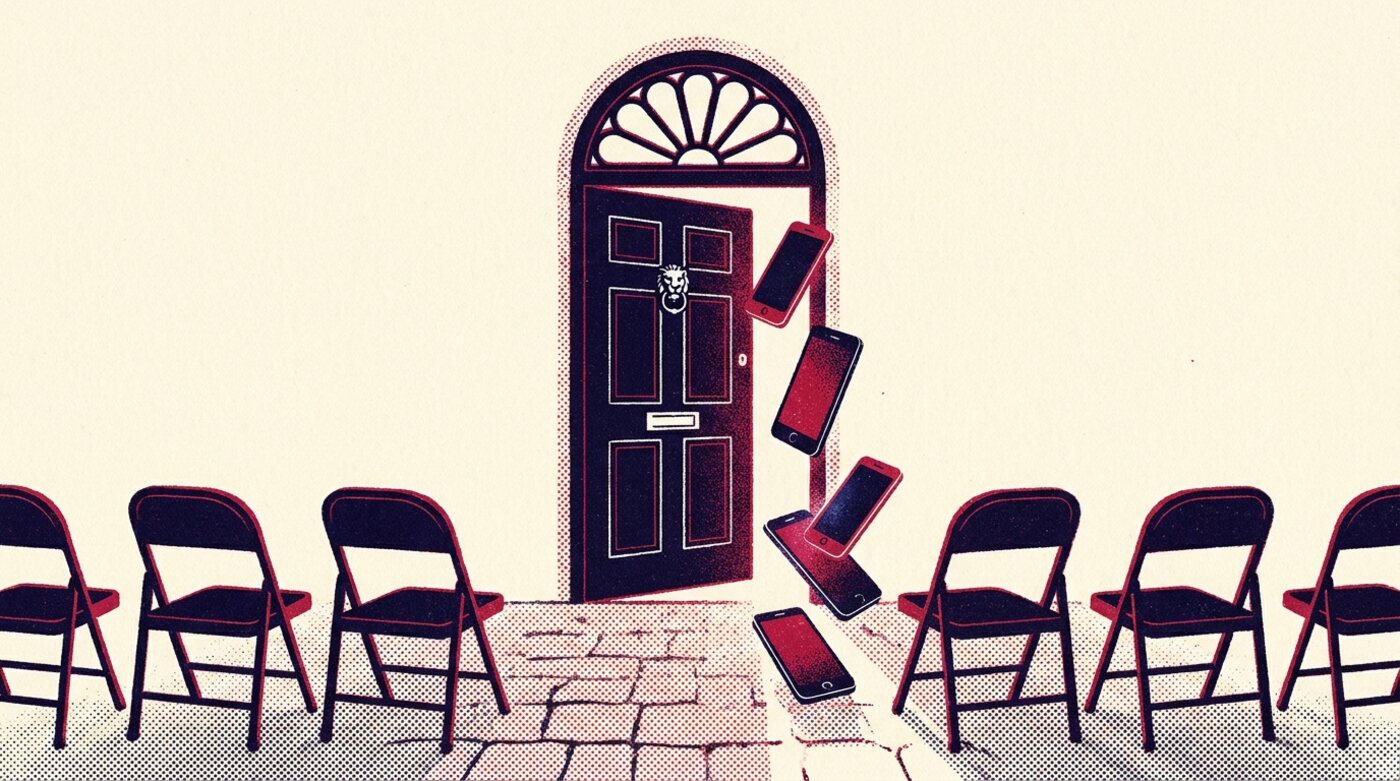
Andy Burnham has made his choice about how a British prime minister should talk to the country. Downing Street told the BBC in July that it would be "more social-first" and "authentic to Andy". That means TikTok clips, podcasts, creator interviews and a YouTube video with Chancellor John Healey ranking pub snacks.
The Westminster press pack hates it. We think Burnham is mostly right. But there is a catch that nobody in No 10 is talking about. If creators are going to take the Lobby's seat, they have to do the Lobby's job. At the moment, too many of them are not.
How Downing Street got here
This did not start with Burnham. In December 2025, Keir Starmer's Downing Street scrapped the daily afternoon Lobby briefing, telling journalists it was "sparsely attended", Press Gazette reported. In its place, No 10 promised occasional press conferences and technical briefings that would also be open to "content creators" and journalists outside the Lobby. Tim Allan, Starmer's executive director of communications, called the old arrangements "not fit for purpose" and said the media landscape had been "utterly transformed".
The chairs of the Lobby said they were "furious" not to have been consulted and warned that the change "restricts access and, we fear, scrutiny". Starmer went on to invite creators to No 10 press conferences and give them interviews, according to The Telegraph.
Burnham has gone much further. On his first day in office, he appeared on the channel of Max Klymenko, a Ukrainian influencer, The Telegraph reported. Young TikTokers who had helped his Makerfield by-election campaign were invited to Downing Street to be thanked. A Downing Street source defended the approach by saying "the vast majority" of the public never see the government's own social media channels. No 10 also believes younger voters trust creators more than journalists.
Why Burnham is right
Prime ministers should go where the audience is, and the audience has moved. A prime minister who only talks to newspapers that fewer people buy each year, and to a briefing room whose rules are set by its own members, is not being more accountable. He is just talking to a smaller room.
Burnham put it plainly to ITV. He said he hoped this kind of content "connects with people, particularly younger people who may have felt quite distanced from politics." Asked whether he cared less about the Sun and the Daily Mail, he replied: "I left Westminster for a reason."
That is a fair point, and a popular one. The Lobby has long been criticised for being too close to the people it covers, for running on unattributed briefings and for chasing the same story at the same time. Losing its monopoly on the prime minister's time is not a constitutional crisis. It may even be healthy.
Where it goes wrong
The problem is not that Burnham talks to creators. It is what he gets in return.
The Guardian reported this month that on his trip to the Commonwealth summit, Burnham travelled with one TV crew and one news agency journalist instead of the usual press pack. Over three days, he faced seven and a half minutes of media questions in two short BBC chats. In 2024, Starmer took a full travelling press corps to the same summit and held a press conference. Downing Street says the summit offers very limited access to journalists, that Burnham had done other interviews before it, and that he was grilled on ITV's Good Morning Britain last month.
Conservative chairman Kevin Hollinrake has accused him of swapping scrutiny for "fawning chats with TikTok stars". That is a partisan line. But it lands because so much creator content with politicians is exactly that: warm, funny and not very hard on the guest. Ranking pub snacks with the Chancellor is good television. It is not accountability.
Liberal Democrat MP Liz Jarvis, a former journalist, told the Guardian that "when the honeymoon period ends he will be held to account, so he can't avoid media scrutiny for ever." She is right. The question is who does the holding.
What creators owe their audiences
This is where the creator economy has to grow up. A No 10 invite is the most valuable piece of access a British creator can get. It is also the moment a creator stops being only an entertainer and starts doing a public job. We would ask three things of any creator who sits down with the prime minister or a minister:
- Ask at least one question they will not like. Use your audience. Your comments are full of questions about rent, energy bills, student loans and NHS waiting lists. Put the hardest one to the prime minister, and do not let a joke move him on.
- Say what the deal was. Tell your audience who approached whom, whether questions were agreed in advance, whether No 10 saw the edit, and whether anything was offered, from travel to a later interview. If any government department has ever paid you for content, say so in the video.
- Do not trade access for softness. If you are worried a tough question will mean no second invite, that is exactly the pressure the Lobby is accused of bowing to. Do not copy its worst habit.
And Downing Street should accept one thing in return. Talking to creators should be added to scrutiny, not used to replace it. If creators are the new press, an on-the-record afternoon briefing open to both journalists and creators costs No 10 nothing but an hour of its time.
What it means for creators
Political access is now part of the British creator business, and it carries reputational risk that a brand deal does not. Audiences forgive a soft product review. They are less likely to forgive a creator who turns out to have been a friendly microphone for any government, of any party. The creators who come out of this era best will be the ones who can show they asked the hard question.
What it means for brands and agencies
Brands that work with news and politics creators should expect more scrutiny of who those creators are close to. A creator known for cosy chats with ministers may be a harder fit for a brand that needs to look neutral. One known for tough interviews may be worth more.
Why it matters: Few governments in Europe have moved their leader's communications as decisively towards creators as Britain has. If creators treat that access as content rather than scrutiny, they will hand critics the strongest argument against the whole creator economy, that it cannot be trusted with anything serious.
Read more: how Westminster started treating creators as an industry, why British newspapers are losing their stars to creators and our view on labelling paid political posts in Australia.
This is the view of The Collab Report's editorial board. Disagree? Tell us, and we may publish the best responses.